Accommodation and Experiences in Cape Town, Western Cape
Cape Town offers a diverse mix of places to stay and ways to explore, from intimate guest houses to stylish boutique hotels and family-friendly lodges. When planning a stay, think about what matters most to you: proximity to the city’s highlights, access to beaches and nature, or a quieter neighbourhood with easy transit connections. A well-chosen base can transform a short break into a memorable urban adventure with easy day-trips to winelands, coastal viewpoints, and hiking routes.
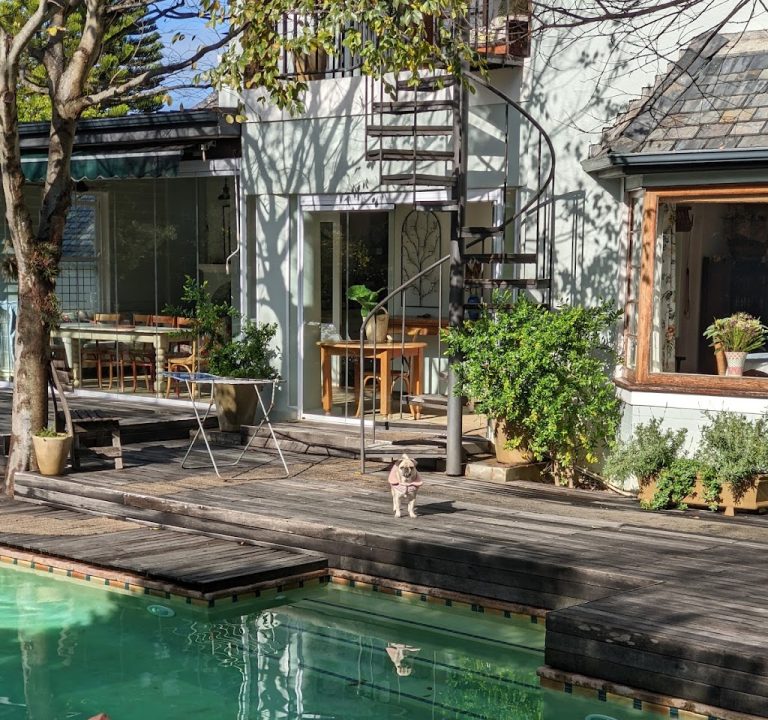
Across Cape Town, accommodation tends to cluster by neighbourhood, each with its own vibe and practical benefits. The City Centre and the nearby V&A Waterfront provide convenient access to business services, dining options, and museums, with stylish modern rooms and some historic buildings. The Atlantic Seaboard, including Green Point and Camps Bay, is ideal for travellers who prioritise sea views, easy access to beaches, and a lively dining scene. The Southern Suburbs offer a more residential feel, larger rooms, and often generous gardens or pool areas, good for families or longer stays. Constantia and the surrounding valley are renowned for leafy tranquillity and close proximity to excellent wine estates, while the Northern Suburbs and the southern Cape suburbs offer affordable options and easy road and rail links for exploring the wider region.
When you search for a place to stay, consider the following features. Ensuite bathrooms add convenience, particularly for groups or families. Wi‑Fi reliability is essential for work or streaming, while air conditioning or efficient heating helps you adapt to Cape Town’s changing seasons. On-site amenities such as secure parking, a pool, a well-equipped kitchen or breakfast service, and laundry facilities can make a big difference to comfort and budgeting. If you plan to self-cater, check whether you’ll have a dedicated kitchenette and whether supermarkets and markets are within walking distance or a short drive.
Transport options shape how you experience the city. The MyCiTi bus network and rail links can connect you from central hubs to suburbs and coastal areas, but a car offers flexibility for full day trips to the mountains, Cape Peninsula drives, or the Constantia wine route. If you’re relying on public transport, look for accommodations near bus stops or train stations, and ask about shuttle services offered by guest houses or hotels. For those who prefer walking, some central areas are compact and walkable, with a concentration of restaurants, markets, and cultural venues within a short stroll.
The best time to visit Cape Town depends on your interests. The peak tourist season runs through the southern hemisphere summer, with long days and a busy events calendar. Spring sees blooming gardens, especially in the Kirstenbosch area, while autumn often brings clear skies and pleasant temperatures for outdoor activities. Winter is mild by many standards but can be rainy, so many travellers prioritise indoor experiences, valley tastings, and museum visits. If you’re planning outdoor adventures—such as hiking Table Mountain, exploring the Cape Peninsula, or visiting nearby nature reserves—dress in layers and bring sturdy footwear. Booking ahead for popular periods is prudent, but Cape Town’s accommodation stock tends to offer a range of options to suit various budgets and durations.
For a well-rounded stay, consider pairing your accommodation with experiences that showcase the region. Fascinating heritage and view-rich drives along the coastline can be balanced with visits to botanical gardens, national parks, and wine estates. While enjoying meals, you’ll find a wealth of dining options ranging from casual seafood spots to modern British-style or contemporary African-inspired menus, providing opportunities to sample fresh seafood, seasonal produce, and multicultural flavours common in Cape Town’s food scene. Markets and informal eateries can be great for trying a variety of dishes in one afternoon, while more refined restaurants offer memorable dining experiences with regional ingredients.
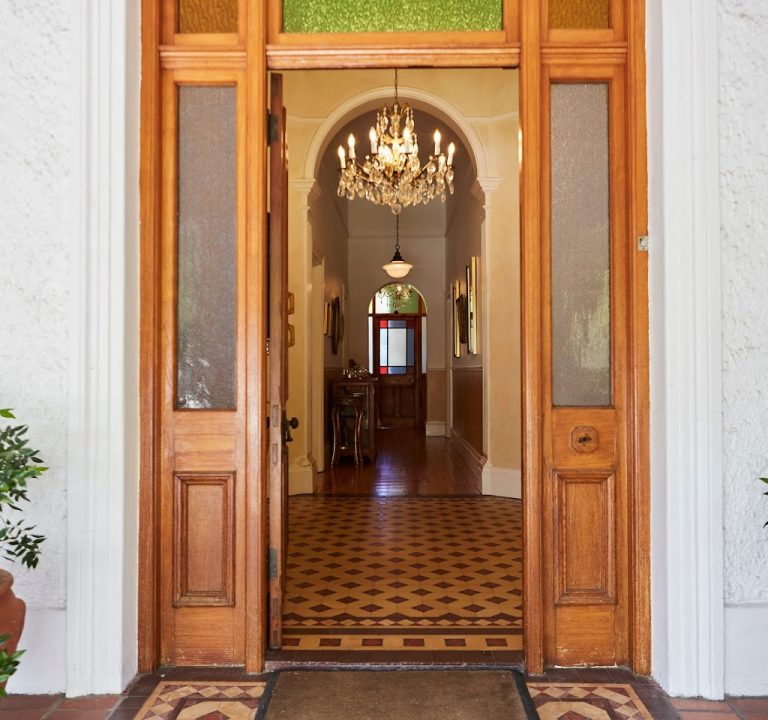
Practical tips to help you plan and enjoy your stay. Check where your accommodation sits in relation to the city’s attractions and transport hubs, and read guest reviews for candid insights on quiet hours, noise levels, and security. If you’re staying with others, consider the layout and privacy of bedrooms and living spaces, especially when children or elderly travellers are involved. About safety, keep valuables secure, use reputable transport options after dark, and stay aware of your surroundings in busy tourist areas. Remember to factor tipping norms (for service staff in hotels, guest houses, and restaurants) into your budget and to verify the cancellation policy and payment terms before booking. If using a local guest house such as Abbadale B&B, you may find a warm, homely base with guidance from hosts on the best hidden gems and practicalities of your chosen neighbourhood.
In short, Cape Town rewards well-planned stays with diverse neighbourhoods to suit every traveller. Whether you’re drawn by sweeping ocean views, easy access to hiking trails, world-class wine estates, or a vibrant restaurant scene, selecting accommodation that aligns with your transport preferences and daily plans will help you make the most of your time in this remarkable corner of the Western Cape. For more ideas and to explore options, visit the property’s site or other reputable accommodation portals to compare locations, features, and terms before you book.