Polokwane: Where to stay, savour and explore in Limpopo’s city gateway
Polokwane, the capital of Limpopo, blends a friendly, easy-going atmosphere with access to striking nature, vibrant markets and a developing dining scene. When planning a stay, many travellers look for a comfortable base that is close to the city’s amenities while still offering easy access to the wider province’s landscapes. Bed & breakfast homes, guesthouses and small hotels form a useful category for visitors who value a personal touch, a hearty breakfast and helpful local recommendations.
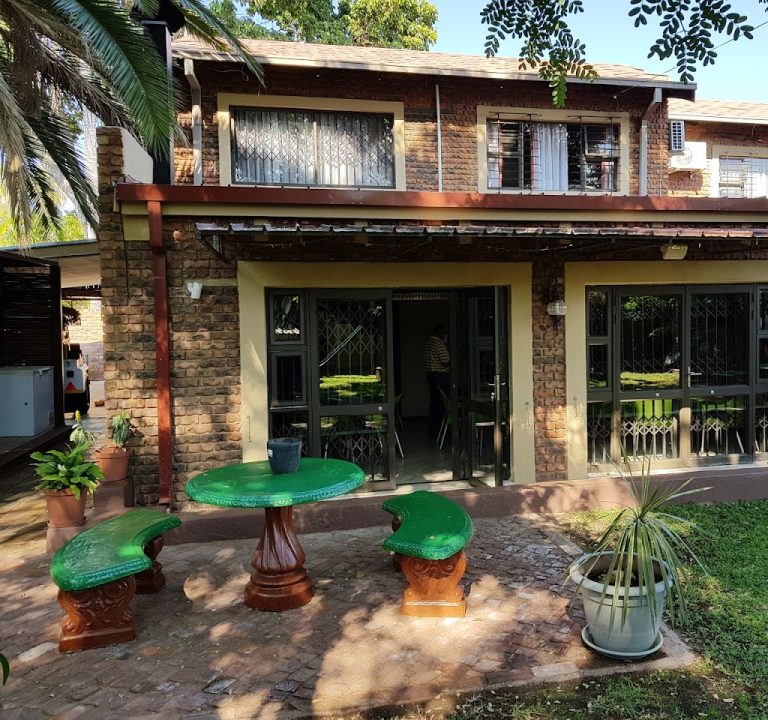
One appealing option for a longer or more relaxed stay is a B&B with a warm, home-from-home feel. These properties tend to prioritise attentive service, with hosts who can suggest day trips, arrange guided safaris just a short drive away, or point you towards local markets and eateries that showcase Limpopo’s flavours. For travellers seeking a more private or intimate stay, boutique guesthouses often combine stylish, compact rooms with convenient locations, allowing guests to walk to cafés or short drives to shopping centres and cultural venues.
Where you choose to base yourself can influence your day trips. Staying near the city centre affords easy access to shops, markets and casual restaurants, while staying in suburban areas can offer a calmer ambience and larger outdoor spaces. If you are driving, Polokwane is well connected by major routes, and most hospitality providers can advise on reliable transport options. Many guesthouses and B&Bs provide off-street parking, and some offer shuttle services on request. For those who prefer not to hire a car, consider accommodation with proximity to taxi services, ride-hailing options, or organised tours that include visits to nearby nature reserves and cultural sites.
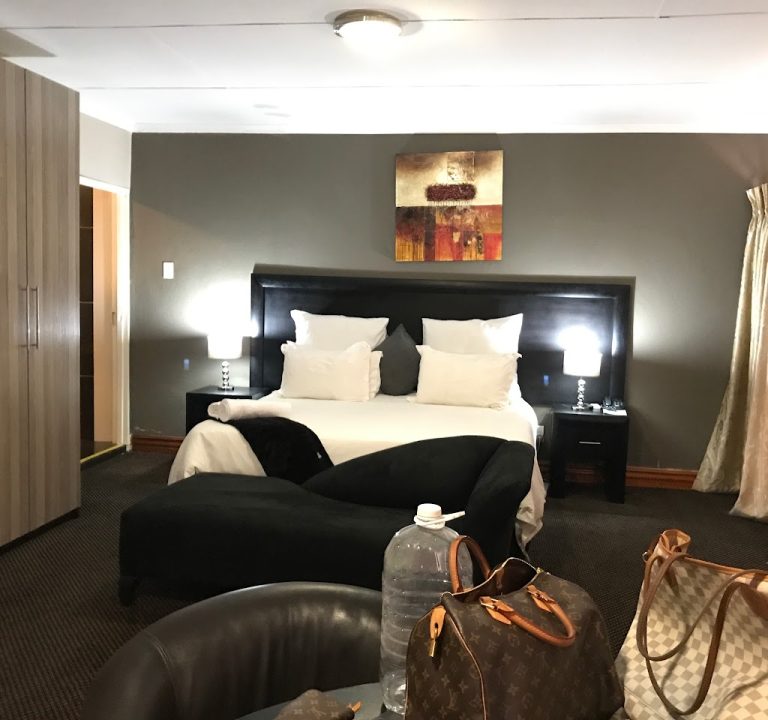
Typical amenities in Polokwane’s accommodation options include air conditioning or fans for warm Limpopo days, reliable Wi‑Fi, en-suite bathrooms, and private entrances for a sense of privacy. A comfortable bed and good lighting are essential for restful nights after busy days of sightseeing. Several establishments offer inclusive breakfast, which helps guests fuel up for early start itineraries to nature reserves or markets. On-site facilities may also feature a refreshing pool, shaded outdoor spaces, and seating areas where guests can unwind after a day of exploration. If you have dietary preferences or require accessible rooms, make these needs clear when booking to ensure the property can accommodate them.
When planning your itinerary, consider a mix of nature, culture and dining. South Africa’s Limpopo region is renowned for its wildlife experiences near Polokwane, with reserves and game-friendly landscapes that suit day trips or overnight safaris. The city itself has a vibrant market culture and nearby eateries offering traditional and contemporary dishes. While exact venues and prices change, travellers typically enjoy exploring places where you can sample fresh produce, regional flavours and warm hospitality. Booking suggestions, maps and local tips are often provided by your host or can be gleaned from reputable travel resources online.
For the practical side of planning, here are some quick checks to include when you book a stay in Polokwane:
- Proximity to your planned activities (city centre vs. countryside access).
- Included meals, or whether breakfast can be added as an option.
- Availability of parking and security measures for vehicles.
- Wi‑Fi reliability for work or streaming during downtime.
- Room configuration (en-suite, family rooms, or single occupancy) and accessibility needs.
Among the accommodation options connected to the city’s character is a well-known bed & breakfast offering a boutique feel in a comfortable setting. It is associated with a well-established online booking presence that helps guests arrange their stay and navigate local recommendations. If you are curious to explore this option, you can visit the property’s official page for details on location, room types and booking terms, and to compare with other Polokwane stays.
Best time to visit Polokwane tends to be during the drier winter months (roughly May to September). The pleasant daytime temperatures make sightseeing, outdoor markets, and drives to nature reserves comfortable, with cooler evenings. The summer months can be lively and lush, though expect higher humidity and the chance of afternoon showers. Shoulder seasons often offer a balance of favourable weather and fewer crowds, which can be ideal for travellers seeking a relaxed pace and better value on accommodation.
Transport around and to Polokwane is practical for most visitors. If you plan a wildlife day trip, a car gives you maximum flexibility to explore at your own pace. However, there are reputable transport options, and some lodgings can assist with arranging guided tours or private transfers. With any trip, it’s wise to confirm directions and parking arrangements in advance, and to pack essentials for hot days and chilly evenings—sun protection, a light jacket and comfortable walking shoes are useful year-round.
Beyond the bed, there are numerous experiences to enrich your stay. Day trips into the surrounding countryside offer opportunities to see landscapes, biodiversity and local life at a relaxed pace. In the evenings, you might enjoy casual dining experiences that showcase Limpopo’s produce and hospitality. Whether you are visiting Polokwane for business, nature, or a gentle city break, a well-chosen base paired with thoughtful planning can transform a visit into a memorable stay. For more information about a particular property and its inclusions, visit its official site and consult the latest guest reviews and local guide resources.