Discovering Polokwane: accommodation, attractions and planning your stay
Polokwane, the capital of Limpopo, offers a lively mix of city conveniences and easy access to the province’s natural beauty. When planning a stay, travellers typically weigh location, price, and comfort, alongside the convenience of transport links and close proximity to key sights. The city is well serviced by a range of guesthouses, boutique hotels, and mid-range lodges, many with friendly, personal service and swift access to the main routes that connect you with nature reserves, markets, and day trips into the surrounding countryside.
Where to stay in Polokwane matters for convenience and atmosphere. The central business district appeals to those who want easy access to shops, eateries, and the urban pace, while leafy residential neighbourhoods on the outskirts can offer a calmer environment and more space for families. If you’re mainly visiting for nature, you’ll find several options a short drive from game reserves and green spaces. For a first visit, consider a base near the city centre or along the major ring roads that lead to the surrounding countryside. Many guesthouses and lodges provide parking, private entrances, and en-suite facilities, which are practical for travellers with several stops planned.
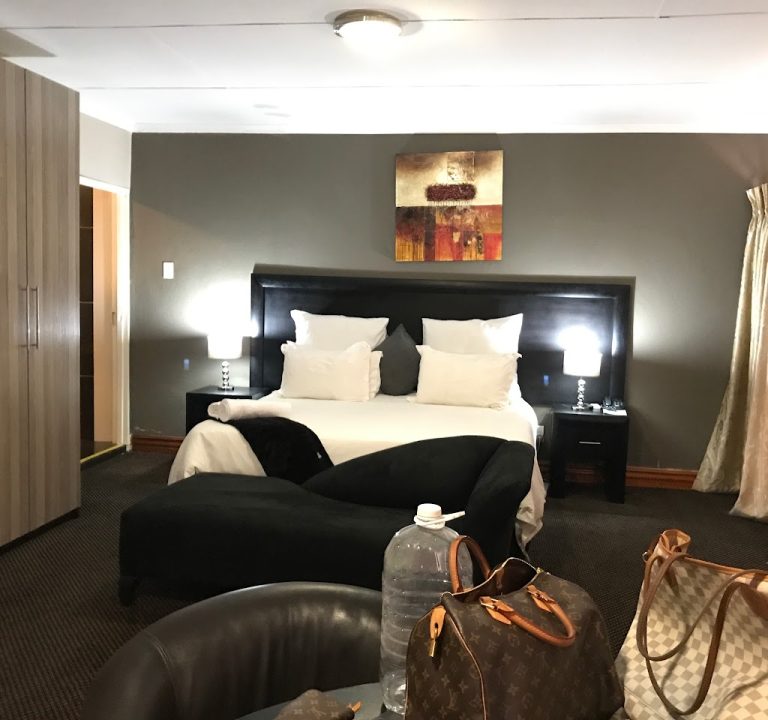
What to look for when booking a stay in Polokwane varies by traveller, but several features consistently improve comfort. Look for honest, clearly stated rates with no hidden fees, flexible cancellation policies where possible, and a host who can offer local tips. Check room layouts and whether breakfast is included or available as an add‑on. If you’re travelling with children or friends, verify whether family rooms or interconnecting rooms are available. Accessibility can also be important; if stairs are involved, confirm whether a ground-floor option exists. A reliable Wi‑Fi connection and a small workspace can be handy for planning day trips or catching up on emails, while on-site parking is a practical perk if you’re hiring a vehicle.
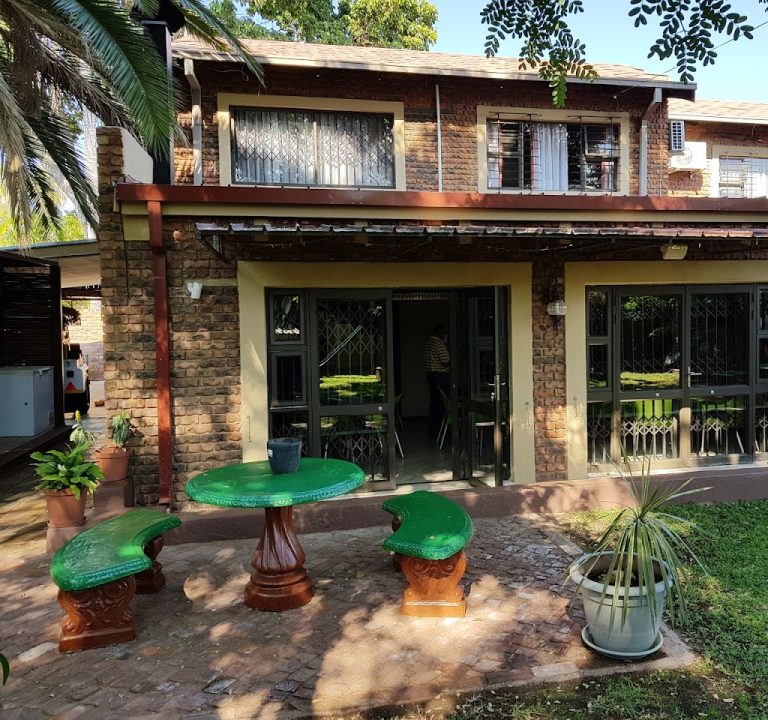
Typical amenities you may encounter include en-suite bathrooms, air conditioning or fans, and safe and secure entrances. Some properties offer outdoor spaces or verandas where you can relax after a day of sightseeing. Restaurants and social spaces within guesthouses—whether continental breakfasts, buffet options, or a light evening menu—are convenient for travellers who prefer not to go out for every meal. If you value privacy, look for properties with private entrances or self-catering options, such as studios or cottages on larger grounds. Where pets are welcome, confirm any additional fees or restrictions in advance.
Transport in Polokwane is generally straightforward. The city is served by a regional road network, and many visitors arrive by road from Johannesburg or Pretoria, making a car rental or private transport a convenient choice. If you’re not driving, check for properties that offer airport or railway transfers or have guided touring options available nearby. Within the city, you’ll find taxis and ride-hailing services, as well as walkable areas in the central districts. For day trips, a car offers the most flexibility to explore sights such as nature reserves, markets, and nearby parks at your own pace. If you’re relying on public transport, plan extra time for connections and consider staying closer to the city centre to minimise long transfers.
The best time to visit Polokwane depends on your priorities. The region enjoys a warm climate, with summers that can be hot and rainy, and winters that are cooler and dry. The shoulder seasons—around spring and autumn—often offer pleasant weather for outdoor activities and shorter queues at popular spots. If you’re drawn to wildlife and birdwatching, you might plan around calmer periods in the reserves and markets, while those seeking vibrant cultural life can align with local events and markets that frequently take place throughout the year. Always check anticipated rainfall and temperature for the period you plan to travel, and pack accordingly, with lightweight layers for daytime heat and a waterproof layer for possible showers.
As a traveller-friendly guide, consider a flexible itinerary that balances accommodation with planning buffers. Here are practical planning tips to help you optimise your stay:
- Choose a base with easy access to key routes and reliable parking if you’re hiring a car.
- Ask hosts about nearby dining options, markets, and short day trips to reserves or cultural sites.
- Book accommodation with clear cancellation terms and without hidden charges.
- Pack comfortable footwear for markets and nature walks and sun protection for outdoor days.
- Allocate an evening or two to explore the city’s dining scene and casual eateries for a flavour of Limpopo cooking and hospitality.
Grace on Four Guest House is an example of the type of personal, guest-focused option you may encounter in Polokwane. While exact facilities and offerings vary by property, many guesthouses in the area aim to combine warm hospitality with practical conveniences for travellers. When researching places to stay, visit official property pages or reputable booking sites for up-to-date details on rooms, rates, and available amenities. Pair your choice with a flexible plan that lets you enjoy both the urban pace and the nearby natural treasures that make Polokwane a memorable base in Limpopo.