Johannesburg: Where to stay, what to see, and how to plan a memorable visit
Johannesburg, Gauteng’s dynamic gateway to Africa, offers a wide range of accommodation that suits every traveller—from stylish guest houses and boutique hotels to comfortable mid-range stays and self-catering options. When planning a stay in the city, consider the practicalities of transport, safety, and access to neighbourhoods that align with your interests, whether you’re after vibrant urban culture, business facilities, or easy access to natural parks and museums.
Neighbourhoods to consider often shape your experience as much as the bed you sleep in. Sandton is a business and shopping hub with modern hospitality and convenient links to the Gautrain, making day trips to Pretoria or Johannesburg’s inner city straightforward. Rosebank offers a cosmopolitan vibe with markets, galleries, and good transport links. Braamfontein and Maboneng are popular for travellers seeking a creative scene, street art, and local eateries, while Melville and Greenside provide a more relaxed, bohemian atmosphere with a range of cafés and casual dining. For families or those seeking quiet residential streets, areas like Kew, Parktown, and Auckland Park can offer calmer bases while staying within easy reach of central Johannesburg.
When you book, look for a few standard and practical amenities. Generous or reliable wifi is essential for planning day trips and staying connected. Parking facilities, either on-site or secure off-street, can save time and reduce stress in a city where street parking rules vary. A balanced breakfast can kick off busy days of sightseeing, while air conditioning or good ventilation is especially welcome in the warm months. A guest house or hotel with a rooftop terrace, garden, or pool can provide a pleasant retreat after a day of exploring.
Transport in Johannesburg is diverse. Ride-hailing apps are widely used and convenient for short hops between neighbourhoods. The Gautrain offers fast, rail-based connections to Johannesburg’s airport, Sandton, and Pretoria, making day trips practical for those staying near station hubs. Local taxis or car hire may be useful for broader exploration or for more remote attractions. When staying in central or busy districts, check whether your accommodation offers easy access to a taxi stand or a reputable shuttle service. Safety remains important; choose comfortable, well-reviewed properties in secure areas and follow standard city travel precautions.
The best time to visit Johannesburg varies with your plans. The city experiences warm summers with occasional thunderstorms, and mild, drier winters. Spring (September to November) and autumn (March to May) are often pleasant for outdoor sightseeing and city walks. If you’re aiming to combine urban discovery with outdoor activities, consider a stay that allows flexible day trips to nearby nature reserves and parks. If your itinerary includes special markets, festivals, or events, check the calendar and book accommodation well in advance to secure good options and central access.
What to expect from accommodation. A well-situated guest house or boutique hotel in Johannesburg typically presents a warm, personalised service, with rooms that vary from cosy doubles to suites with separate lounge areas. Look for thoughtful touches such as well-equipped Malaysian‑style or continental breakfast options, coffee/tea facilities in-room, fresh linen, and daily housekeeping. Some properties offer balconies or shaded outdoor spaces, which can be a welcome retreat after a day of sightseeing. If you’re seeking a particularly homely experience, a guest house run by local families or partners can provide insights into neighbourhoods, markets, and local dining that you might not discover independently.
Experiences and dining to consider. In addition to staying, plan to explore Johannesburg’s cultural and culinary scenes at a relaxed pace. Museums and galleries, historic districts, and markets offer insight into the city’s diverse heritage. For meals, you’ll find a range of options from traditional South African cuisine to modern, globally influenced dishes. Street food courts and casual eateries can be great places to sample local flavours, while refined restaurants nearby can provide memorable dinners after busy days. Many neighbourhoods feature lively cafe culture, with coffee roasters and light bites to suit a mid‑afternoon stop.
Practical tips for planning your stay:
- Check transport links from your accommodation to key sights and the city centre, and confirm if the property offers shuttle services or parking.
- Read recent guest reviews to gauge safety, comfort, and the reliability of Wi‑Fi and breakfast offerings.
- Consider a base near a Gautrain station or main bus routes to reduce travel time between districts.
- Plan your day around the city’s heat and thunderstorms in summer, keeping water and sun protection handy.
- Be mindful of safety—avoid remote or poorly lit areas after dark, especially at night.
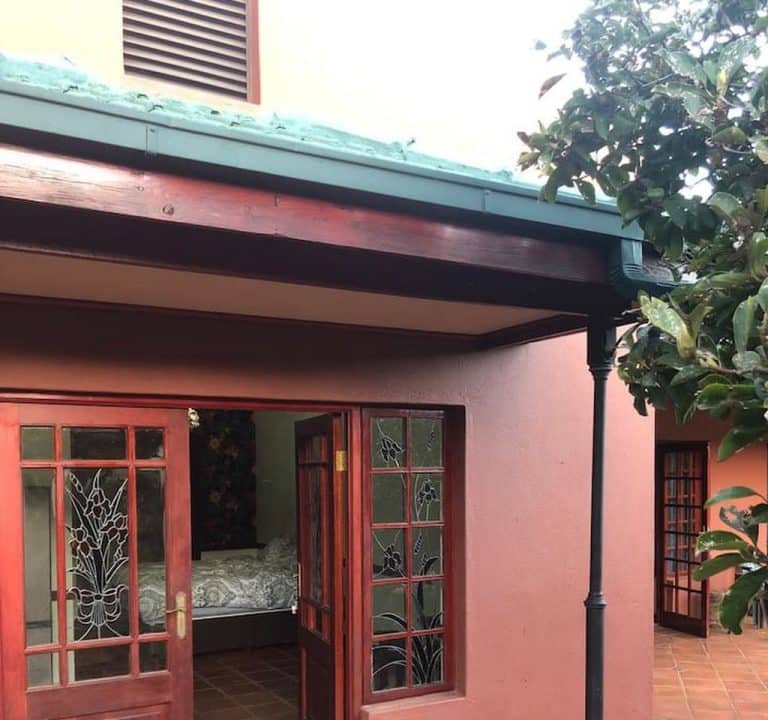
As a practical example of Johannesburg hospitality, White House Guesthouse @29Kew in the Kew area offers a comfortable base for travellers looking to combine easy access to central Johannesburg with a quieter residential setting. Their site provides details on accommodation options and guest experiences that can help you tailor a stay to your pace. For more information, you can visit their official website at https://kewwhitehouse.co.za/.
With its mix of world-class business facilities, vibrant street culture, and outdoor escapes, Johannesburg rewards curious travellers who plan thoughtfully. A well-chosen stay can place you at the heart of the action while providing a restful base from which to discover the city’s diverse attractions, friendly neighbourhoods, and dynamic dining scene.