Johannesburg: where to stay, what to explore and how to plan your visit
Johannesburg, the vibrant gateway to Gauteng, blends modern city life with rich history and a thriving street-culture scene. When planning a stay, think about how you want to experience the city: business hubs and fashionable neighbourhoods, leafy residential pockets, or the buzzy urban centres that feel like a constantly evolving neighbourhood. Accommodation ranges from intimate bed and breakfasts to stylish boutique hotels and self‑contained apartments, many with easy access to public transport routes and local eateries.
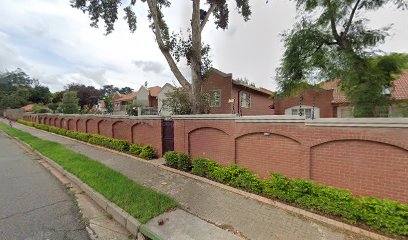
Areas to consider for your stay include the northern business and shopping districts, where many hotels and guesthouses are close to malls, corporate offices and conference venues. Suburban pockets such as Rosebank and Illovo offer a calmer atmosphere with tree-lined streets, promenades and a good choice of dining. For a more residential and craft‑focused vibe, neighbourhoods like Braamfontein, Melville and the Maboneng Precinct provide walkable streets, lively cafés and galleries. If you’re after a leafy, upscale stay with spectacular views, the northern hills and enclaves near Sandton offer luxury options and easy access to venues on the city’s eastern corridor. For a daytrip experience, consider a neighbourhood that offers walkable streets, museums and markets to explore on foot or by short taxi ride.
When booking, look for a few practical features that make a stay comfortable in Johannesburg. A dependable Wi‑Fi connection is essential for planning itineraries and staying in touch with friends and family. An on‑site or close-by parking option helps if you’re exploring by car, though many areas are well served by ride‑hailing services and Gautrain connections. A guesthouse or boutique hotel with secure access, good transport links, and a central desk or concierge can simplify arrangements for tours, transfers and restaurant reservations. Check the kitchen or breakfast provision if you prefer self‑catering or a hearty start to busy days. Some properties offer guided neighbourhood walks, curated recommendations or partnerships with local cafés and markets, which can be a handy way to discover authentic experiences.
Typical amenities you may encounter include en‑suite bathrooms, air conditioning, usually robust security measures, and friendly, knowledgeable staff who can provide up-to-date tips on safety, transport, and current exhibitions or markets. Many places offer breakfast, either continental or substantial, and some provide evening meals or can point you to nearby restaurants that suit a range of budgets and tastes. If space and privacy matter, self‑catering apartments or guesthouses with separate entrances can be a good fit, especially for families or groups. For guests with mobility needs, check for accessible rooms, lift access and step‑free routes within the property and to local streets or transport hubs.
Getting around Johannesburg is straightforward but varies by area. The Gautrain offers fast links to Pretoria and the OR Tambo International Airport, while taxis and ride‑hailing apps are common within the city. For short stays, staying near a pedestrian‑friendly hub or a major transport node can cut travel time and help you maximise sightseeing. If you plan to venture into Soweto or other outer districts, consider arranging a guided day tour or secure transport in advance, as some streets can be busy and parking options may be limited in certain areas.
Best time to visit Johannesburg is during the milder autumn (March to May) or spring (September to November) when daytime temperatures are comfortable and rainfall is relatively light. Summer (December to February) brings warm days and occasional thunderstorms; it’s a good time to enjoy city parks, markets and outdoor cafes, but be prepared for heat and sudden rain showers. Winter (June to August) is cool and dry, with crisp mornings and pleasant daytime temperatures for exploring museums and indoor attractions. If you plan outdoor experiences, check weather forecasts in advance and book flexible options where possible.
When planning your itinerary, consider a balance of cultural highlights, food experiences and relaxed neighbourhood explorations. You might structure a day around a central hub—for example, a popular precinct with galleries, markets and cafés—and then branch out to nearby attractions or scenic viewpoints. For meals, Johannesburg’s dining scene ranges from casual bistros to refined eateries serving dishes influenced by local produce and international flavours. In general terms, you’ll find options to suit most budgets and preferences, and many places publish menus or sample offerings on their websites.
Practical tips to help you make the most of your visit:
- Book accommodation close to the areas you want to explore to minimise long commutes.
- Ask your host or reception for up‑to‑date safety tips and recommended transit options for your planned days.
- Bring versatile layers for day and night temperatures, especially if visiting in shoulder seasons.
- Pack a lightweight travel card or ensure your phone has offline maps for walking routes between sights and eateries.
- Check local event calendars for markets, exhibitions and live music that may enhance your stay.
Johannesburg offers a dynamic mix of accommodation and experiences that can suit a wide range of travellers—from those seeking a stylish, city‑centre stay to guests looking for a quiet, residential vibe with easy access to culture and dining. With thoughtful planning, you can enjoy a comfortable, well‑connected visit that highlights the city’s energy, creativity and hospitality.