Exploring Johannesburg: Where to stay and what to do in Gauteng
Johannesburg, or Jo’burg as many locals call it, is a dynamic gateway to Gauteng’s city life, history and vibrant dining scenes. When planning a stay, consider choosing a neighbourhood that aligns with your interests, travel pace and access to transport. From leafy residential suburbs with a touch of upmarket tranquillity to bustling streets brimming with culture, there is a wide range of accommodation to suit both short breaks and longer stays.
Accommodation options in Johannesburg span boutique bed and breakfasts, stylish guesthouses, modern hotels and self‑catering apartments. In quieter residential enclaves, you may find intimate B&Bs with personalised service, while central districts offer contemporary hotels and aparthotels that are convenient for exploring museums, markets and a growing number of modern eateries. An example of a well‑rounded stay experience could be a bed and breakfast with a homely feel in a leafy suburb, offering easy access to major routes and safe, pleasant neighbourhoods. When selecting a property, look for comfortable beds, reliable heating or cooling, secure parking (if you’ll have a vehicle), and friendly, informed staff who can help with local guidance.
Areas to consider for your stay:
- Neighbourhoods with good security and walkable streets, close to restaurants and markets
- Suburbs that are well connected by road or public transport for day trips
- Areas with quieter residential vibes for a relaxed base, alongside easy access to the city centre
- Places near historical sites or cultural hubs if you want to blend sightseeing with your stay
When booking, you’ll want to understand what makes a property stand out for your needs. Typical amenities to expect include hearty continental or full breakfast options, free Wi‑Fi, on‑site parking, and personalised tips from hosts about local routes and hidden gems. If you travel with a family or a group, check for family rooms or larger suites, kitchenette facilities, and flexible cancellation policies. For business travellers or shorter stops, proximity to business districts, conference venues and reliable Wi‑Fi can be decisive. Always review recent guest feedback about cleanliness, noise levels, and the responsiveness of hosts or staff.
Transport in Johannesburg is diverse. A car provides maximum flexibility for exploring beyond the city centre, but many visitors rely on a mix of ride‑hailing, metered taxis and secure public transport for short hops within the city. If your stay centres on the central area or popular cultural districts, verify the convenience of local dining, markets and pedestrian routes on foot. For day trips to nearby natural areas or historical sites, a knowledgeable host can help map out routes and suggest safe, efficient transport options.
The best time to visit Johannesburg blends pleasant weather with regional events. The city enjoys warm, dry winters and hot summers, with a rainy season in the summer months. Spring and autumn bring comfortable temperatures for outdoor strolling, riverfront walks, or markets. If you are exploring outdoor attractions, consider late spring or early autumn to avoid peak heat. Be sure to check any local calendars for events, markets or exhibitions that may enrich your stay, but also balance those plans with time for unhurried meals and relaxed shopping in neighbourhood hubs.
What to do and where to eat, in general terms, during a stay:
- Explore the city’s museums and galleries to gain a sense of the country’s history and contemporary culture
- Wander markets and street food scenes to sample a range of flavours, from casual bites to more refined dining experiences
- Take short day trips to nearby natural landscapes or cultural towns that are reachable by road
- Experience sunset views from elevated locations or establish a café‑culture routine in local neighbourhoods
- Reserve a few evenings for recommended local dining districts, where chefs showcase modern takes on South African ingredients
Travel tips to make the most of your stay:
- Book a property with clear policies on cancellation, housekeeping, and guest access to common areas
- Ask hosts or reception for safe walking routes after dark and for advice on secure parking if you’re driving
- Keep a flexible plan for museum or gallery openings, which can vary by season and day of the week
- Pack comfortable footwear for urban exploring and a light layer for cooler evenings
- Respect local customs and neighbourhood norms, especially in residential areas and at markets
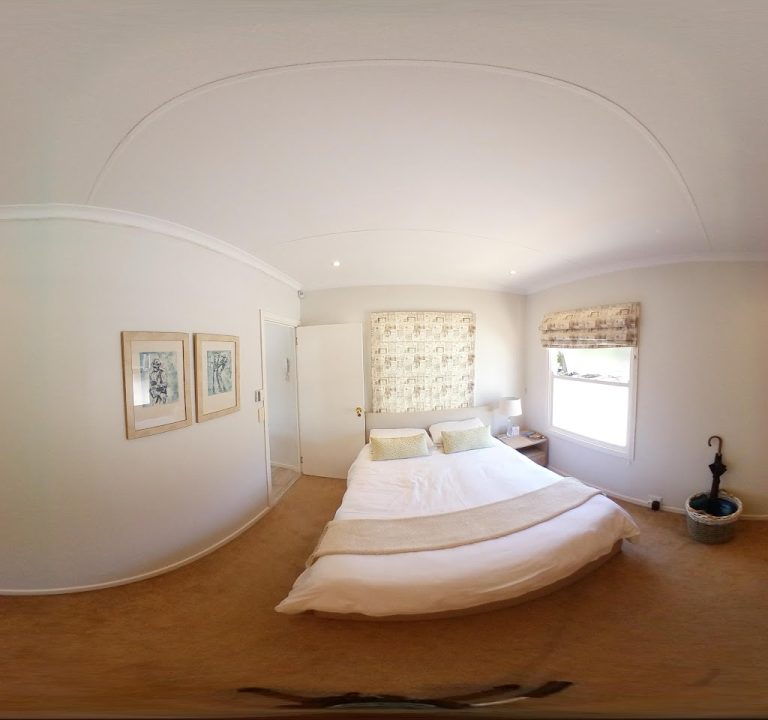
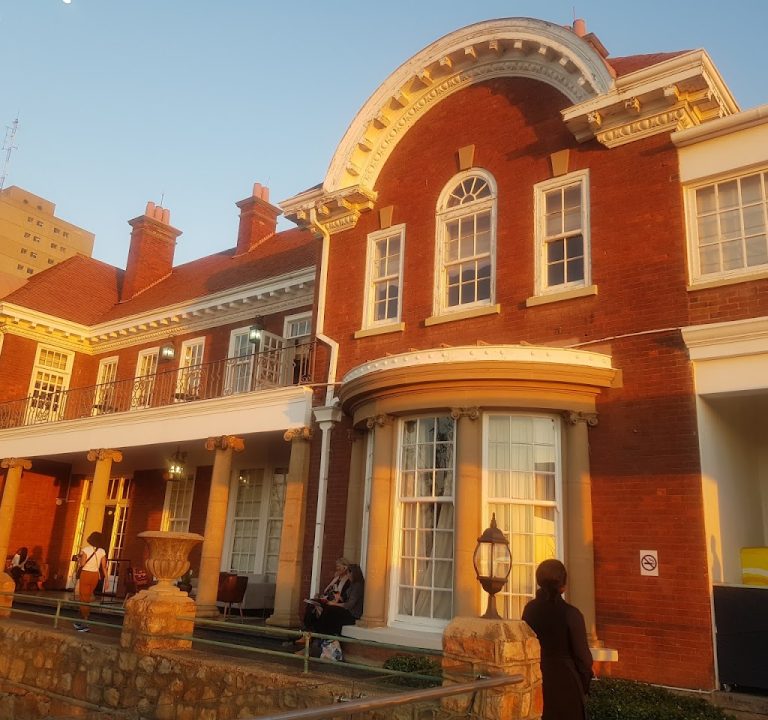
When it comes to specific places to consider, a stay at a well‑located bed and breakfast in a refined, residential setting can offer a calm counterpoint to the bustle of the city. Such properties often emphasise personal touches, attentive service, and well‑presented breakfasts that set you up for a day of exploration. An example in the market of accommodation types is the Westcliff Bed & Breakfast, which typifies the kind of thoughtful, guest‑focused experiences you might encounter in Johannesburg’s varied lodging scene. While the city has a wealth of options, balancing comfort, security, and accessibility will help you craft a memorable stay that aligns with the rhythm of Johannesburg and Gauteng’s many attractions.
For more inspiration, you can browse trusted accommodation platforms and official tourism sites that link to neighbourhood guides, transport tips and current event calendars. A well‑planned itinerary that allows for both structured experiences and spontaneous discoveries will help you enjoy Johannesburg at a comfortable pace, while still capturing the essence of what Gauteng’s most populous city has to offer.