Accommodation and Activities in Johannesburg: Planning Your Stay in Gauteng
Johannesburg, or Jo’burg, is a dynamic gateway to South Africa’s rich history, contemporary culture and vibrant dining scene. When planning a stay, consider choosing a neighbourhood that aligns with your interests, whether it’s business and shopping, arts and nightlife, or easy access to museums and parks. A well-chosen base can cut travel time and enhance your experience of Gauteng’s capital city.
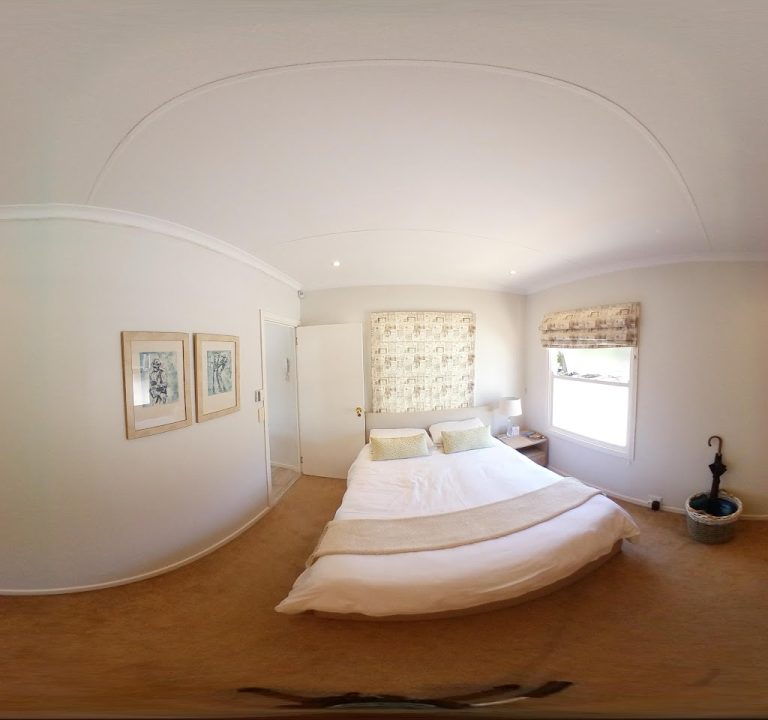
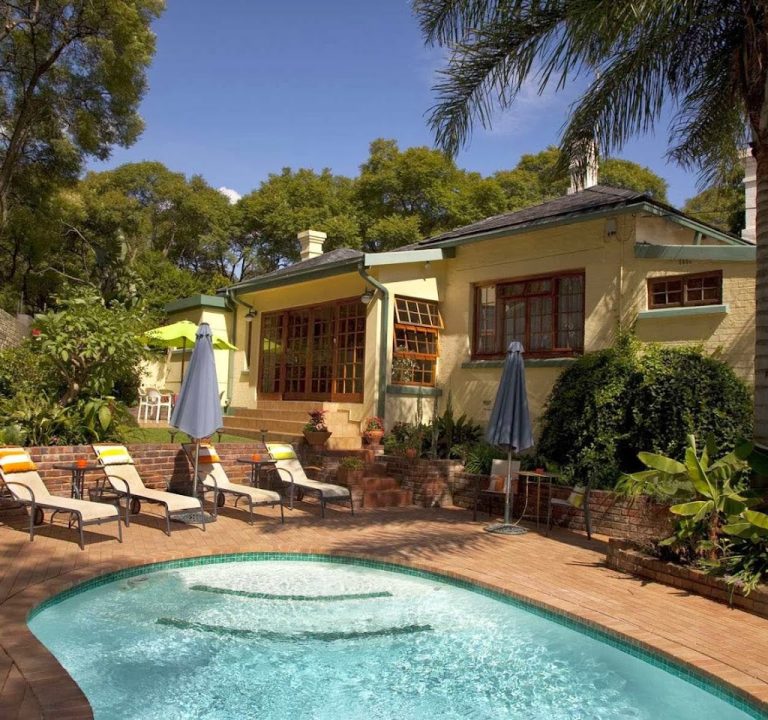
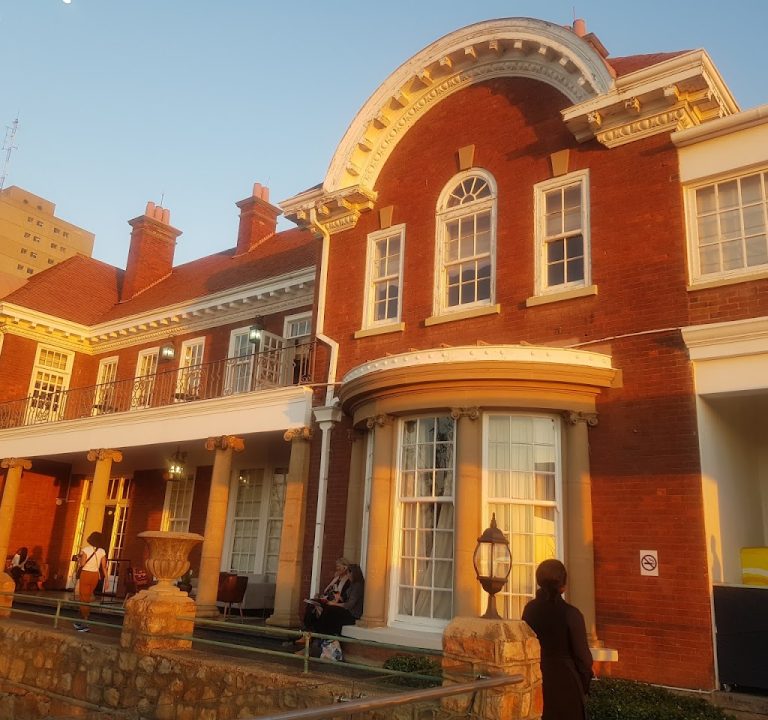
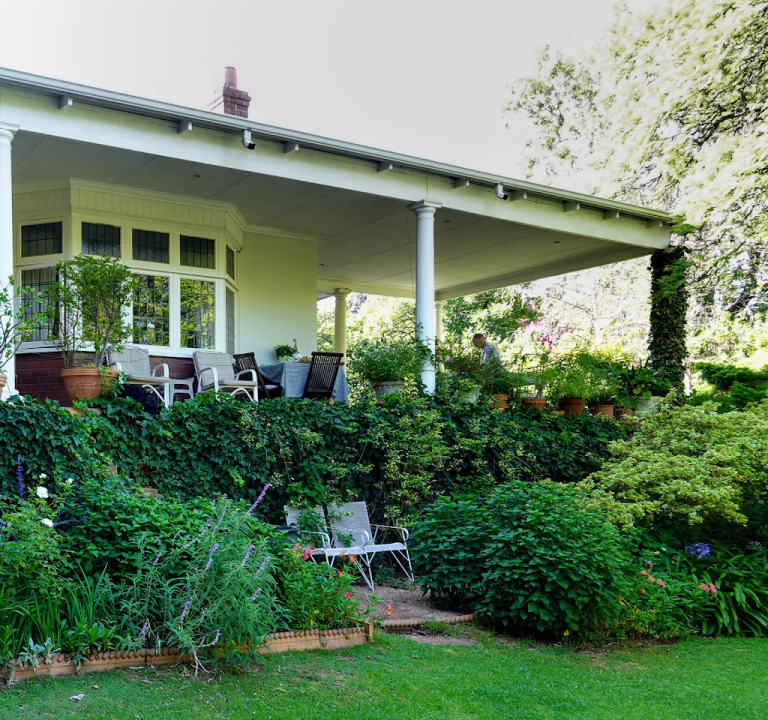
Areas to consider for accommodation include Sandton, which is well connected for business travellers and offers high-end hotels, shopping hubs and efficient transport links. Rosebank, with its leafy streets and excellent access to the Gautrain, provides a good mix of boutique hotels, guesthouses and modern apartments, plus a lively marketplace atmosphere. Braamfontein and Maboneng are popular with travellers seeking a more energetic, urban experience, featuring galleries, street art, cafés and a walkable city vibe. Parks and residential areas such as Parkhurst or Melville can offer charming guesthouses and mid-range stays with easy access to local eateries and a more relaxed pace. If you’re visiting with family or a group, look for properties with family rooms or suites, quiet courtyards and parking facilities. For a boutique option with character, consider a property such as Maison Jacaranda, a stylish hotel located in a historic setting with on-site dining and easy access to central neighbourhoods. More information is available at the property’s website: https://www.maisonjacaranda.com/.
When booking, think about three practical factors: location relative to your planned activities, transport options, and the level of self-catering or on-site services you require. In Johannesburg, a comfortable stay often includes a reliable Wi-Fi connection, secure parking, and a continental or full breakfast option. If you plan day trips or early starts, request 24-hour reception or a discreet early check‑in arrangement, and confirm access to coffee facilities in the mornings. Consider properties offering airport or rail transfers, or at least guidance on alternatives such as rideshare apps and the Gautrain, which can save time and simplify travel across Johannesburg and neighbouring cities.
Typical amenities to look for include:
- En-suite bathrooms and clean, well‑ventilated rooms
- An on-site restaurant or robust dining options nearby
- Safe, convenient parking or secure access
- In-room amenities such as a minibar, tea and coffee provisions, and a work space
- Heating or air conditioning, especially for the highland climate and seasonal changes
Transport in Johannesburg is diverse. The Gautrain provides fast links between the city centre, Sandton, and OR Tambo International Airport, while Uber, Bolt and other rideshares are widely available in urban areas. If you prefer a guided approach, some hotels can arrange bespoke neighbourhood or cultural tours, including visits to historic sites and markets. For those who enjoy a stroll, central neighbourhoods offer galleries, coffee shops and markets within walking distance of many accommodation options. If you are travelling with children, check for family-friendly features such as a pool, kid-friendly menus, or babysitting services, as well as proximity to parks or zoos.
Best time to visit Johannesburg typically falls outside the rainy summer months. The city enjoys a mild winter and a warm autumn, with spring bringing colourful street life and outdoor markets into full swing. If you plan outdoor excursions or day trips, avoid peak rainfall periods and consider a stay that gives you flexible morning or late afternoon options.
Attractions and experiences in and around Johannesburg range from poignant museums to dynamic urban areas. Expect to explore historical sites that illuminate South Africa’s past, as well as vibrant markets and parks that showcase the present-day culture. In addition to well-known museums, you can enjoy modern art districts, architectural walks, and chef-driven dining scenes that highlight South African innovation. For those seeking sociable daytime activities, neighbourhood markets, cafés, and casual eateries offer a sense of the city’s everyday rhythm. A balanced itinerary might weave a museum morning with an afternoon gallery stroll and an evening in a lively precinct with diverse dining options.
Regarding dining, Johannesburg presents a broad spectrum of cuisines and styles. From refined, restaurant-led experiences to casual neighbourhood delis and street-food-inspired spots, you’ll find options to suit almost any mood or budget. When planning meals, you can prioritise hotels with recommended in-house dining or nearby trusted venues, while leaving room to explore local favourites in Rosebank, Maboneng, or Parkhurst. As you map out your days, consider a mix of sit-down meals and lighter, quick bites to keep pace with game drives, museum visits, or day trips to nearby towns.
Practical tips to help you enjoy a smooth stay:
- Book a property with clear accessibility details and safe parking if you’re driving.
- Confirm breakfast arrangements and whether the restaurant operates on weekends or public holidays.
- Check for easy access to the Gautrain or major highways for efficient travel to business districts and attractions.
- Ask about late check-in options if you anticipate late arrivals after business meetings or flights.
- Prepare for variable weather; layers are useful for mornings and evenings, particularly in transitional seasons.
Johannesburg rewards curious travellers with a blend of history, contemporary culture and hospitality. By choosing a well-situated base, verifying essential comforts, and planning your transport in advance, you can design a stay that blends restful mornings with stimulating days of discovery and varied dining experiences. Whether you opt for a stylish boutique hotel, a guesthouse with a personal touch, or a comfortable city centre lodging, Johannesburg offers a range of experiences to suit every itinerary.