Accommodation and Experiences in Cape Town, Western Cape
Cape Town is a travel hub where stunning scenery, vibrant neighbourhoods and a wide range of places to stay combine to create a memorable visit. When planning a stay, consider the contrasts between coastal village vibes, city-centre convenience, and the expansive wine routes that surround the city. Whether you favour a boutique guesthouse with warm hospitality, a contemporary hotel with sea views, or a cosy lodge nestled in the hills, there are plenty of options to suit different budgets and travel styles.
Areas to consider for accommodation include the Atlantic Seaboard, home to scenic coastal walks and dramatic sunsets; the City Bowl and the V&A Waterfront for easy access to dining, nightlife and major sights; the leafy Constantia Valley for quiet elegance and wine-tasting close to nature; and the Bo-Kaap or the central city for culture, museums and a lively urban atmosphere. For a more relaxed retreat, coastal towns such as Camps Bay, Hout Bay or Kalk Bay offer tranquil stays with easy access to beaches and ocean safaris. If you’re visiting with family or a group, look for properties with multiple bedrooms, ample living space and private parking, and check whether self-catering facilities and in-house laundry are available.
When booking, look for practical amenities that make a stay comfortable in this climate. A good breakfast, reliable WiFi, secure parking, and a generous hospitality approach from the hosts are often among the most valued features. Room layout and privacy matter too: some guests favour suites with separate living spaces, while others prefer compact rooms with efficient storage. If you plan to explore beyond the city centre, a property with flexible check‑in times or a self-check‑in option can ease travel in and out after late flights or day trips.
Transport in Cape Town is straightforward but worth planning ahead. The MyCiTi bus network covers many suburbs and the main sights, while Uber and other ride-hailing services are commonly used for short trips. If you hire a car, verify parking arrangements, as on-street parking can be limited in busy areas. For a scenic approach, consider a base near the V&A Waterfront or Sea Point, from which coastal walks, mountain access points, and the cableway to Table Mountain are easily reachable. Those staying in Constantia or branches of the wine routes should plan for occasional driving between vineyards and restaurants, or arrange a guided day tour if you prefer not to drive.
Best time to visit Cape Town depends on what you’re seeking. The city enjoys a Mediterranean climate, with warm, dry summers and cooler, wetter winters. The peak tourist season is typically from late spring to early autumn (November to February), when long days and sea breezes are most reliable. If you would rather avoid peak crowds, consider the shoulder seasons (late February to April, and September to November), when weather can be pleasant and the city feels a little calmer. Remember that the Cape’s weather can change quickly, so packing layers, sunscreen and a lightweight rain jacket is sensible year-round.
Attractions generally fall into a few broad categories: iconic landscapes and outdoor experiences, cultural and historical heritage, and culinary or neighbourhood discoveries. You’ll find excellent viewpoints and walks around Table Mountain and the surrounding nature reserves, scenic coastal drives along the Atlantic Seaboard, and chances to spot wildlife and penguins at coastal reserves and beaches. In terms of culture,robust museum collections, colourful districts, and guided heritage walks offer insight into the city’s diverse communities. Restaurants across Cape Town range from casual seaside cafés to refined dining rooms that emphasise local produce and seafood. In general terms, you can expect fresh ingredients, a mix of seafood, game and vegetarian options, and a growing emphasis on sustainable, farm-to-table practices in several areas.
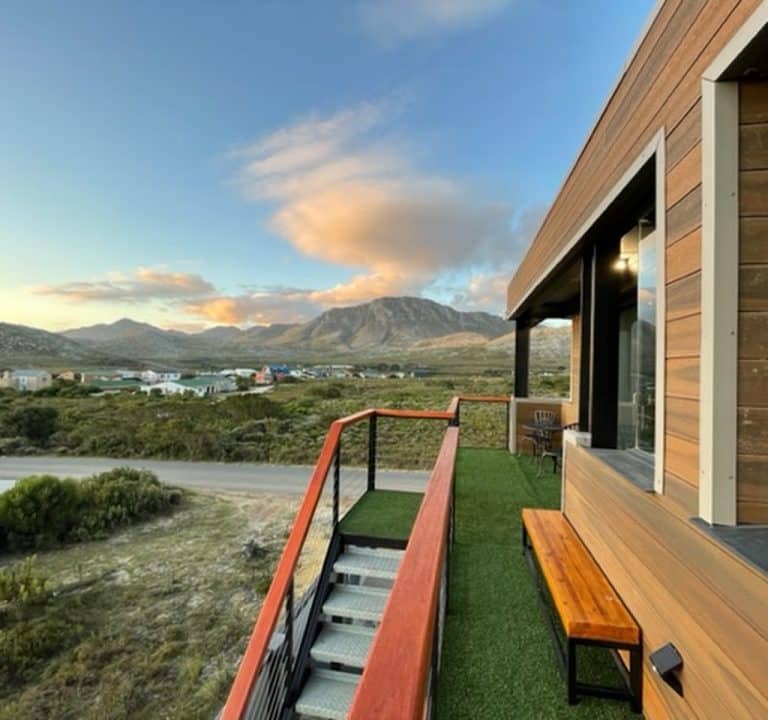
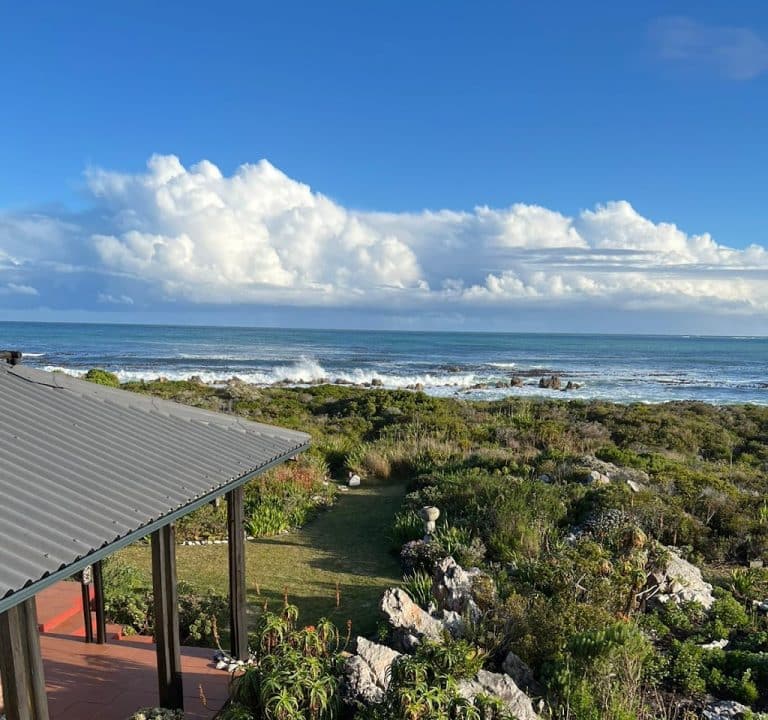
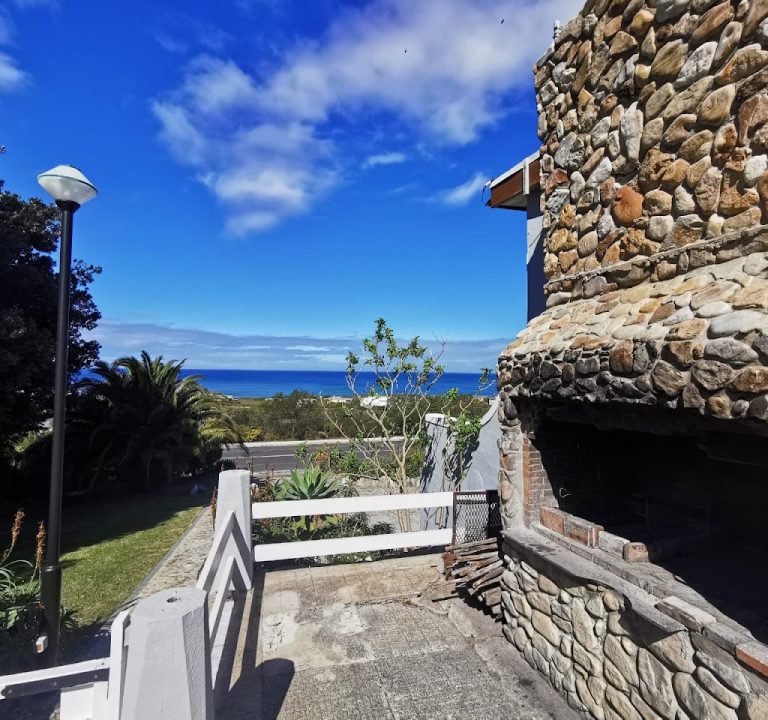
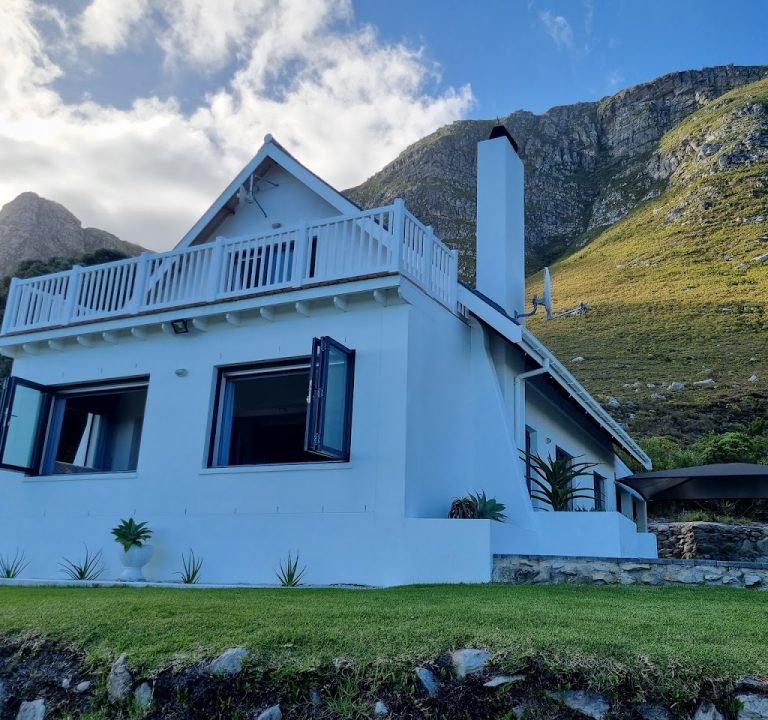
One lodging option to consider is a guest house or lodge that prioritises personal service and a comfortable home-from-home environment. A property such as a Waterlilly Lodge Guest House, described as a lodging option in this category, can illustrate the character of smaller-scale stays: attentive hosts, a curated breakfast, and a quiet base from which to explore nearby sights. When looking at such properties, inquire about private or communal dining arrangements, access to outdoor spaces, and any offered day trips or local introductions. If you have specific interests—beach activities, hiking, wine-tasting, or city tours—check whether the host can assist with planning or arranging reputable operators.
Practical planning tips for a successful stay include: researching neighbourhoods in advance to balance safety, convenience and access to transport; confirming the availability of essential amenities before booking; and budgeting for a mix of paid attractions and free experiences such as coastal walks and city promenades. For meals, you’ll generally find a spectrum from simple cafés to upmarket restaurants; to maintain flexibility, consider staying in a location with a choice of eateries nearby or easy transport back from evening outings. Finally, keep general safety awareness in mind, particularly in busier districts after dark, and follow local guidance about areas to avoid at night.
- Tip: read recent guest reviews to gauge cleanliness, responsiveness, and accuracy of listings.
- Tip: plan day trips for Table Mountain, the V&A Waterfront, and nearby wine routes with weather and travel time in mind.
- Tip: pack layers for changeable coastal weather and comfortable walking shoes for hills and promenades.