no-image
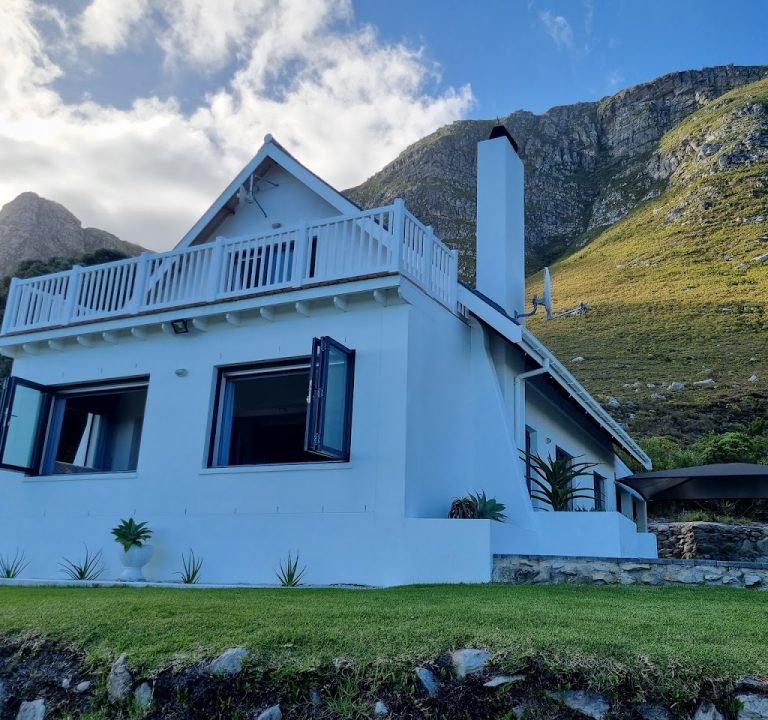
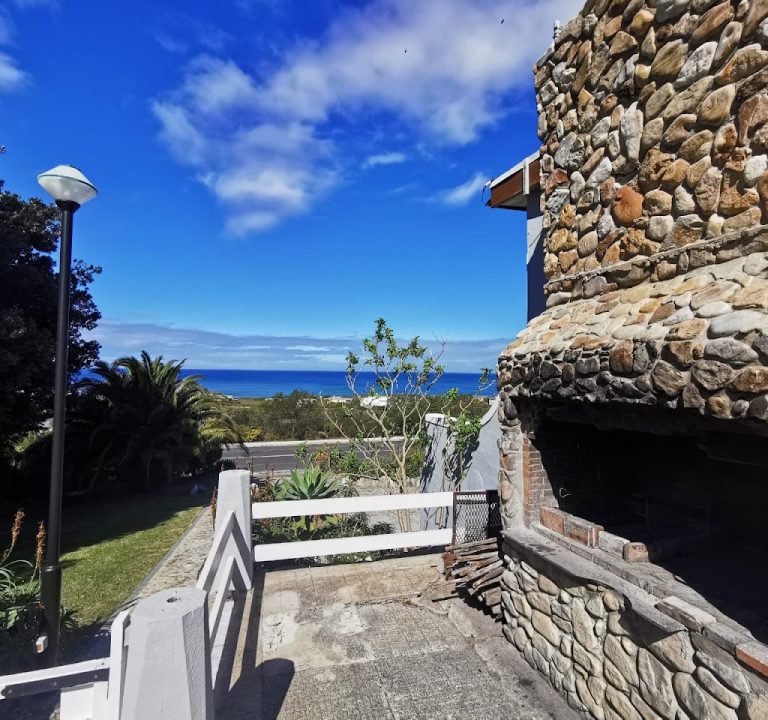
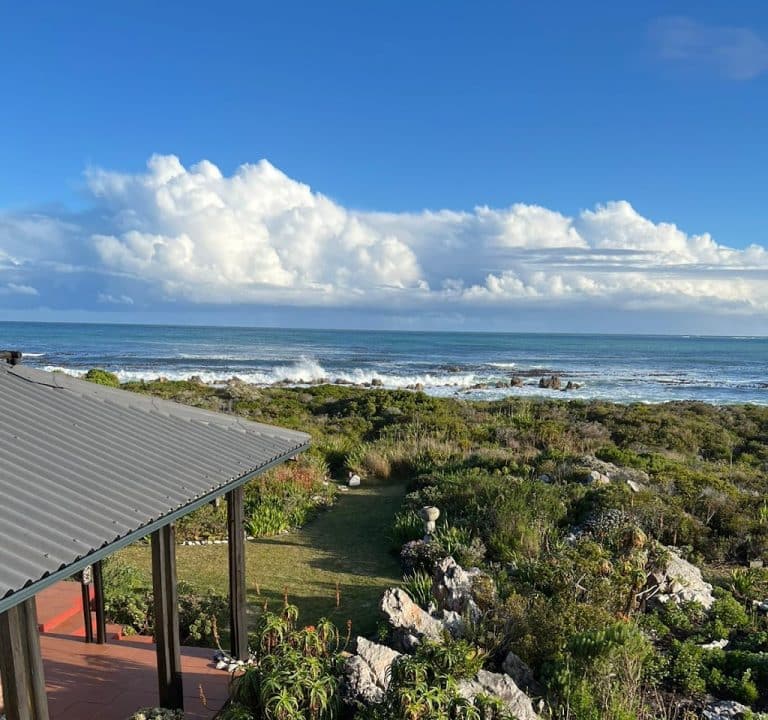
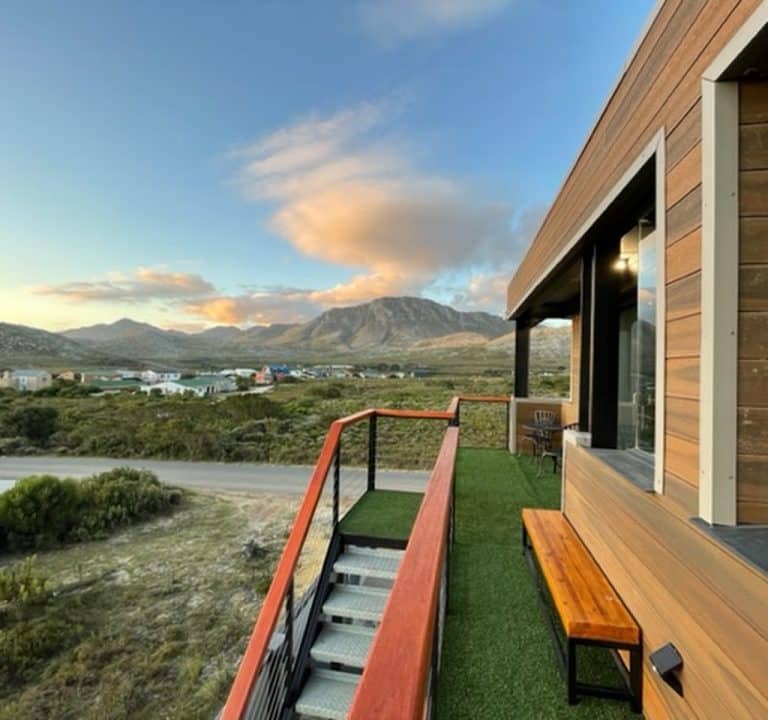
high level family house is a Self-catering accommodation establishment in Cape Town, Western Cape, South Africa
About High Level Family House, Cape Town
High Level Family House in Cape Town, Western Cape presents a family-friendly option within the vibrant urban environment of one of South Africa’s most beloved cities. From a distance, the property sits within the metropolis’ expansive tapestry of neighbourhoods, offering a base from which guests can explore Cape Town’s famed coastline, rugged mountains, and unique cultural experiences. While detailed specifics about room configurations or on-site facilities are not clearly listed on the site, the listing signals a focus on accommodating families who seek comfort and convenience during their stay.
As a stand-alone option for travellers, the accommodation style is described in broad terms as a home-like setting suitable for families. Visitors can anticipate a structure that aims to provide a practical, relaxed atmosphere, with the potential for space and common areas that suit multi-generational stays. The emphasis appears to be on delivering a welcoming environment rather than a boutique hotel experience, making it a reasonable choice for guests prioritising value and readiness for everyday family routines while on holiday.
For guests planning a stay, the booking process is facilitated through the property’s online presence. The site acts as a portal to initiate travel arrangements, providing a link to learn more and to connect with the listing for availability and rates. Prospective guests are encouraged to review the latest details directly on the official page to ensure accurate information and any updates to policies, pricing, or offerings before finalising a reservation.
Because the available site content is limited, it is prudent for potential visitors to approach their planning with flexible expectations. High Level Family House is best considered by families seeking a straightforward, no-fruss stay in Cape Town, with easy access to the city’s major highlights and an anchor point for day trips or longer explorations around the Western Cape.
Typical considerations for families staying in Cape Town include convenient access to transport links, safe neighbourhoods, and nearby dining or pantry options. While exact amenities and room types are not specified on the site, families are encouraged to look for practical features such as the ability to accommodate children comfortably, appropriate bedding arrangements, and policies that align with the needs of younger travellers. The property’s location within Cape Town makes it a sensible starting point for those aiming to experience the region’s diverse attractions, from natural scenery to urban culture.
- Check the official site for up-to-date availability, rates, and any family-friendly notes or policies.
- Explore the surrounding area for nearby parks, beaches, and cultural venues suitable for family days out.
- Plan with flexibility in mind, allowing for weather considerations and variable Cape Town travel conditions.
Nearby highlights commonly sought by visitors to Cape Town include iconic natural landmarks, historical sites, and waterfront experiences. While not specific to the High Level Family House, guests can anticipate a location that enables easy access to well-known features such as Table Mountain’s vantage points, the waterfront precinct for shopping and dining, and a variety of coastal strolls along the Atlantic Seaboard or the city bowl’s cultural offerings. For those planning day trips, a stay in Cape Town provides opportunities to explore the Peninsula’s coastal towns, winelands, and outdoor adventures, all while returning to a family-friendly base in the evenings.
Booking and travel tips for this type of accommodation include verifying what is included in the stay, such as bedding arrangements, kitchen facilities, and any shared spaces. It is wise to confirm cancellation terms, house rules, and the process for meeting hosts or property managers. Arriving with a flexible itinerary often yields the best balance between structure and spontaneous family outings, especially in a city renowned for its scenic routes and diverse experiences.
Cape Town
Western Cape
7141
South Africa

no-image
Cape Town: where to stay, plan your visit and enjoy a blend of city and sea
Cape Town offers a vibrant mix of neighbourhoods, natural beauty and world-class dining, making it ideal for a self-catering stay if you prefer home-like comforts. When planning your visit, consider the array of areas that characterise the city, from leafy hillside enclaves to harbour views and coastal villages. A well-chosen base can cut travel times, put you close to highlights, and make it easy to slip in a visit to a nearby beach or wine route between day trips and evenings out.
Accommodation in Cape Town ranges from self-catering townhouses and apartments to guesthouses and boutique hotels. Self-catering options such as a family-friendly house can be particularly convenient for families or groups, offering a kitchen, living spaces and direct access to outdoor areas. When selecting a property, think about layout (number of bedrooms and bathrooms), privacy, parking, and whether the space feels like a home away from home. If you have specific needs—child-friendly facilities, a laundry, or a garden—make those a priority in your search. For convenience, many listings provide a map of nearby attractions, supermarkets and public transport links.
Consider these areas as you plan your stay:
-
Central Cape Town and the City Bowl for access to museums, restaurants and easy urban transport
Green Point and the V&A Waterfront for a marina vibe and quick access to the Atlantic coast
De Waterkant and Bo-Kaap for colour, character and walkable streets
Southern Suburbs or Constantia for green hills, wine routes and a quieter pace
Atlantic Seaboard (Sea Point, Camps Bay) for sea views and beachside mornings
Typical amenities to look for include a well-equipped kitchen, reliable Wi‑Fi, secure parking, and a comfortable living area. If you’re travelling with children, a property with outdoor space, board games or a small garden can be a big plus. For guests seeking a more immersive stay, some listings offer stocked bookable experiences or guidance on local itineraries. Check how workspace is arranged if you need to balance a little remote work with sightseeing. Safety features, such as secure entry and good lighting, are also worth confirming, particularly if you plan to explore late in the evening.
Transport in Cape Town is varied. The city has a growing public transport network, including rapid bus services and rail options, but many visitors rely on hired cars or organised tours for flexibility. If you’re staying near the coast, renting a car allows easy day trips along the coastline or to the Cape Winelands. For stays in the City Bowl or Green Point, you may be able to rely on walks and rideshares for shorter hops. When planning day trips, remember that coastal weather can change quickly, so layering clothing and a portable jacket are practical additions to your packing list.
The best time to visit Cape Town depends on what you want from your trip. Spring (September to November) and autumn (March to May) bring mild temperatures, colourful landscapes and fewer crowds than peak summer. Winter (May to August) offers cooler days with a chance of rain but dramatic sea and mountain scenery, while summer (December to February) delivers long days, beach atmosphere and a superb harvest of fresh produce, seafood and wines. If you’re keen on outdoor activities like hiking Table Mountain or visiting Robben Island, plan for clear, wind-swept mornings and check local conditions in advance.
When it comes to things to do, there is a broad palette: iconic viewpoints and coastal walks, nature reserves, and a range of cultural and culinary experiences. You might begin with a cable car or hike to a high summit for expansive city and ocean panoramas. A visit to historic townships offers insight into Cape Malay and local heritage, while a day exploring the lush gardens and tree-lined streets speaks to the city’s green credentials. Practical tips include booking popular activities in advance, allowing travel time for potential traffic, and always keeping a light jacket for breezy evenings by the sea. If you’re unsure where to start, local hosts and accommodation providers often share updated recommendations and routes that fit your pace and interests.
Eating out in Cape Town is as diverse as its scenery. Expect fresh seafood, Mediterranean-inspired dishes, bold Afro‑fusion plates and wine‑country favourites from nearby regions. Many visitors enjoy markets and casual bistros offering seasonal produce, alongside more refined restaurants with contemporary South African cuisine. While I won’t list specific names here, you’ll find a wide range of options near major neighbourhoods and attractions, with venues offering beautiful views, child-friendly menus and menus in multiple languages. For a self-catering stay, you’ll also have easy access to fresh groceries, markets and farm stalls to create your own meals after a day of exploration.
To help you navigate, here is a compact planning checklist you can adapt to your booking:
- Define your priorities: city access, beaches, mountain views, or a rural wine-country feel nearby.
- Assess transport needs: parking availability, proximity to routes, and ease of reach to attractions.
- Confirm essential amenities: kitchen equipment, laundry facilities, Wi‑Fi reliability, heating or cooling options.
- Check safety features and accessibility for all travellers in your party.
- Look for flexible booking terms during shoulder seasons for better value and less crowding.
For a sample stay that aligns with self-catering preferences and a home-from-home atmosphere, you may wish to explore options such as a high-level family house, which provides a curated base with practical conveniences. Learn more about this type of accommodation at the following site: High Level Family House – Self-Catering Accommodation.
In summary, Cape Town rewards travellers who blend a flexible itinerary with a comfortable home base. By choosing the right area, checking for thoughtful amenities, planning around transport, and balancing outdoor adventures with relaxed meals, you can enjoy a memorable stay that captures the best of the Cape Peninsula and its warm, multicultural hospitality.
Sorry, no records were found. Please adjust your search criteria and try again.
Sorry, unable to load the Maps API.
Why Claim Your Listing?
Claiming your listing on the B&B Finder directory website is a valuable opportunity for business owners. Here are five reasons why you should consider claiming your listings:
Control Over Business Information: By claiming their listing, business owners can ensure that all the information presented is accurate and up-to-date. This includes details such as contact information, address, pricing, and available services or amenities. Accurate information helps prevent customer confusion and improves overall satisfaction.
Enhance the Listing: Once a listing is claimed, owners can enhance it by adding more comprehensive information and rich media, like high-quality photos and videos. These additions can make the listing more attractive and engaging to potential customers, thereby increasing the likelihood of bookings.
Marketing Opportunities: Claiming a listing can also open up additional marketing opportunities. Owners may be able to participate in promotional campaigns, special offers, and other marketing activities organized by the directory. This can increase visibility and attract more customers to the business.