Accommodating Johannesburg: where to stay and what to explore
Johannesburg, or Jo’burg as locals sometimes say, is a dynamic gateway to Gauteng and a city of diverse neighbourhoods, each with its own character. When planning a stay, consider areas that suit your interests and pace. For quick access to sights and business hubs, central districts offer a mix of guest houses, boutique hotels and small hotels, while northern suburbs around Sandton and Rosebank provide modern amenities, shopping and dining. Braamfontein and Maboneng are known for a creative buzz, whereas Soweto delivers a rich, cultural lens on South Africa’s history and everyday life. A well-balanced itinerary often combines a restful base with day trips into the city’s museums, markets and parks.
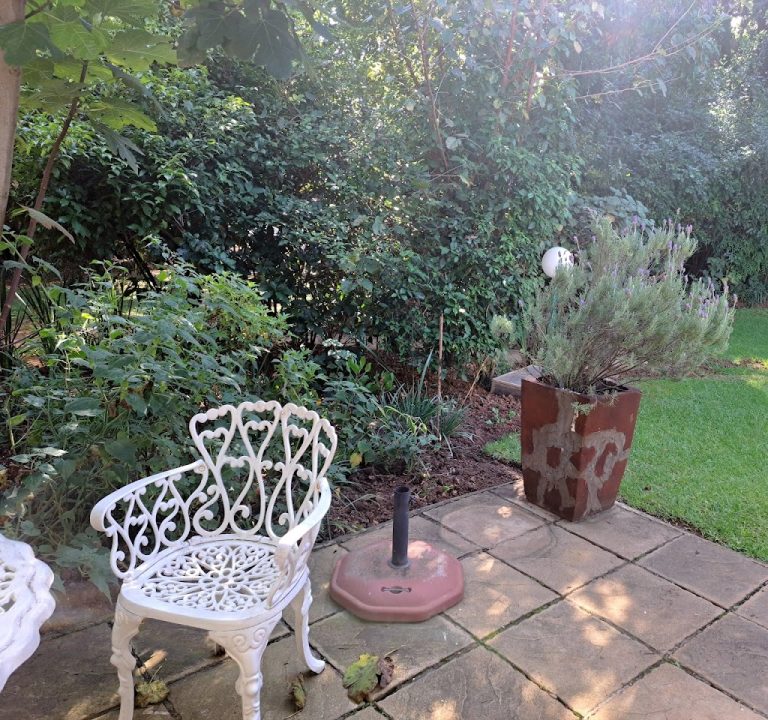
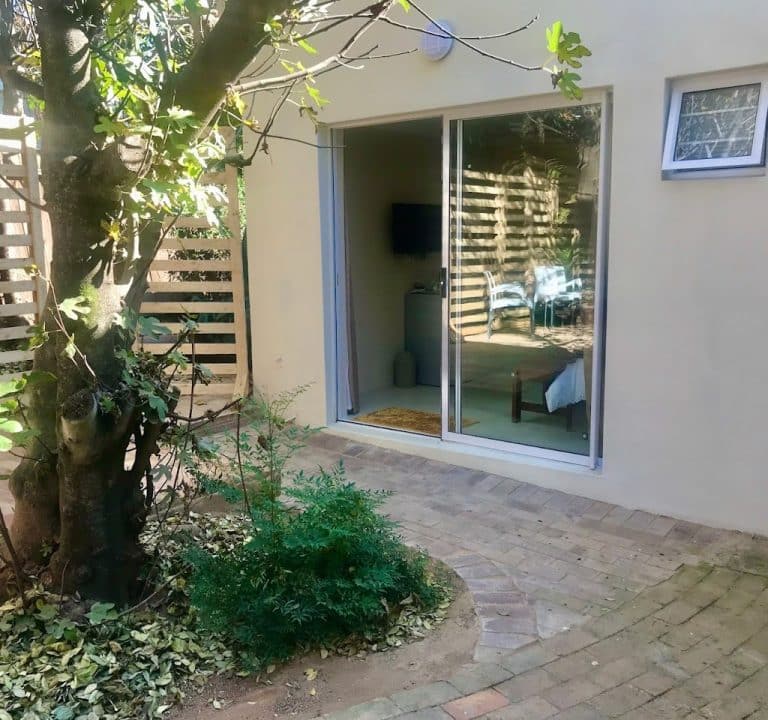
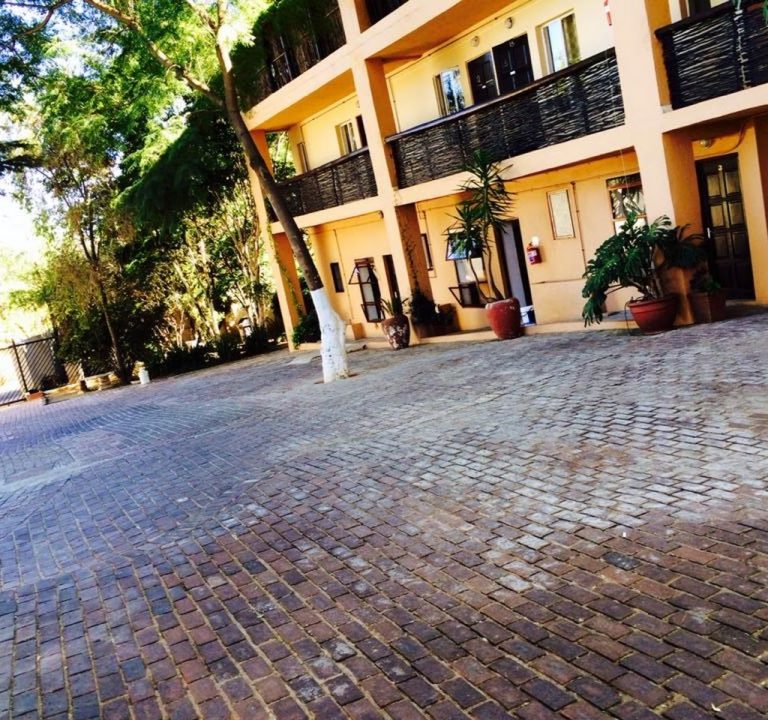
Water Front Guest House, a guest house option presented for travellers seeking a compact, personable base, demonstrates how guest houses can offer welcoming spaces, edge-of-centre convenience and a sense of local hospitality. Such establishments typically combine private rooms with shared or convenient communal areas, making them a good choice for solo travellers, couples and small groups seeking value and a home-from-home feel.
When you book, think about what you want from your stay. Do you need easy access to public transport, a quiet courtyard to unwind after a day of exploring, or a breakfast service to kick-start mornings before meetings or tours? Many properties in Johannesburg aim to balance comfort with practical features suitable for short breaks or longer stays. Typical amenities you may encounter include free Wi‑Fi, secure parking or parking options nearby, air conditioning or ceiling fans, televisions with streaming capabilities, well-equipped kitchens or shared kitchen spaces, and on-site or nearby dining options. Some guest houses offer laundry facilities, self-check-in or 24-hour reception, which can be especially convenient for travellers moving between different parts of the city.
Transport is an important part of planning in Johannesburg. The city is well-connected by a regional rail network and the Gautrain, which links central hubs with Johannesburg’s airports and surrounding towns. Within the city, Uber, Bolt and other ride-hailing services are commonly used. When staying in central districts, you may find pedestrian-friendly streets and bright street markets, but expect traffic during peak hours. If you plan day trips to the broader region—such as the Cradle of Humankind or other natural or heritage sites—check whether your accommodation offers guidance or partnerships with reputable tour operators or concierge services.
Areas to consider for a stay include:
- Central Johannesburg and the CBD: great for first-time visitors, galleries, markets, museums and quick access to transport links.
- Rosebank and Melrose Arch: stylish neighbourhoods with shopping, dining and a more contemporary hotel or guest house scene.
- Sandton: a finance and business hub with modern hotels and lodges, plus easy connections to the Gautrain and northern routes.
- Braamfontein and Maboneng: a creative quarter with boutique stays, independent cafés and street life.
- Soweto: for an immersive neighbourhood experience, guided tours, and a sense of history and community life.
Booking tips to optimise your stay:
- Check the location relative to your planned activities and transport options.
- Read recent guest reviews for practical details on noise levels, cleanliness and staff responsiveness.
- Confirm what is included in breakfast, if any, and whether self-catering facilities are available.
- Ask about security features, especially if you are staying in central or busy districts.
- Review cancellation policies in case plans change, and verify accessibility if you require elevator access or ground-floor rooms.
Best time to visit Johannesburg depends on what you want from the trip. The city experiences a mild winter and a warm-to-hot summer. The dry winter months (roughly May to August) can be comfortable for outdoor sightseeing and wildlife day trips, while the summer (roughly November to February) brings green landscapes and occasional afternoon thunderstorms. Autumn and spring offer pleasant temperatures for strolling parks, markets and outdoor cafés. If you are planning outdoor adventures or visits to nearby reserves, checking seasonal conditions in advance can help you tailor your itinerary and packing list.
When it comes to dining and socialising, Johannesburg offers a broad spectrum without large price-tag spikes in many neighbourhoods. In central and northern districts you’ll find casual eateries, modern bistros and traditional South African eateries near guest houses and hotels. In addition to restaurant choices, consider exploring local markets and cafés that showcase a mix of global influences and regional flavours. If you enjoy street markets or curated food experiences, set aside a couple of flexible evenings to wander a neighbourhood known for its vibrant dining scene and night-time atmosphere.
Practical tips for a smooth stay:
- Pack a light jacket for cooler evenings, especially in winter.
- Carry an adaptor for South Africa’s plug types and check whether your accommodation provides adaptors.
- Plan a couple of must-see days but leave space for spontaneous discoveries in areas like arts districts and neighbourhood markets.
- Respect local customs and practice safe travel habits in busy streets and crowded venues.
Johannesburg rewards curious travellers with a sense of place—the energy of its street life, the quality of its architecture, and the warmth of its people. With thoughtful selection of a base, careful planning around transport, and an open itinerary that blends culture, cuisine and a touch of history, a stay in Gauteng can feel both enriching and comfortably well-paced.