Accommodation and exploring Johannesburg: where to stay, what to do, and how to plan a great visit
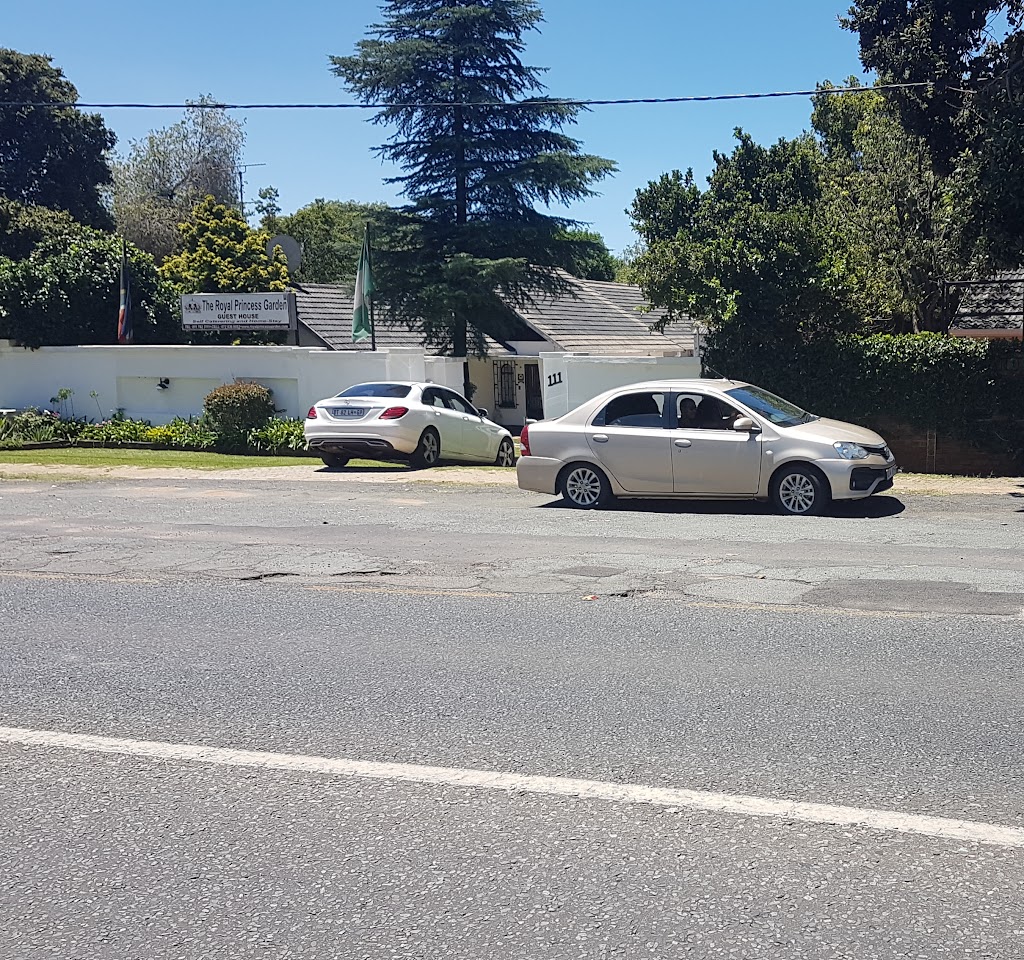
Johannesburg, in Gauteng, South Africa, offers a mix of stylish guesthouses, boutique hotels, and comfortable B&Bs that suit a range of itineraries. When planning a stay, it helps to think about what you want to get from your visit: a buzzy urban edge, easy access to business hubs, or a quieter base from which to explore nearby nature and culture. The Royal Princess Garden guest house is an example of a charming, personably run B&B option that can provide a warm welcome and home‑from‑home comforts during a city break.
Areas to consider work well depending on your interests and transport needs. The northern suburbs, including parts of Sandton and Rosebank, tend to offer polished hotels and modern conveniences, with easy access to shopping centres and business districts. The central city and surrounding precincts such as Braamfontein and Maboneng provide a more intensely urban experience, with galleries, markets, and a growing dining scene. Melville and Parkhurst offer a relaxed, lively vibe with boutique stays and a neighbourhood café culture. If you’re traveling with family or prefer a quieter street, leafy neighbourhoods with secure guesthouses can be a good choice, while still being reasonably close to the city’s main sights.
When choosing accommodation, look for a few practical features that will shape your stay. A reliable breakfast helps many travellers start the day well, especially if you plan early visits to museums or markets. Friendly hosts who know the area can offer insider tips on safe transport routes, local eateries, and day trips. Check for secure parking or convenient access to public transport, as Johannesburg is a sprawling city where car use is common but not always timed perfectly with peak traffic. If you’ll be using rideshares or the Gautrain for longer trips, confirm proximity to stations or pick‑up points in advance. A comfortable room with good ventilation, dependable Wi‑Fi, and a secure setting will make a difference, particularly in warmer months when thunderstorms are not uncommon.
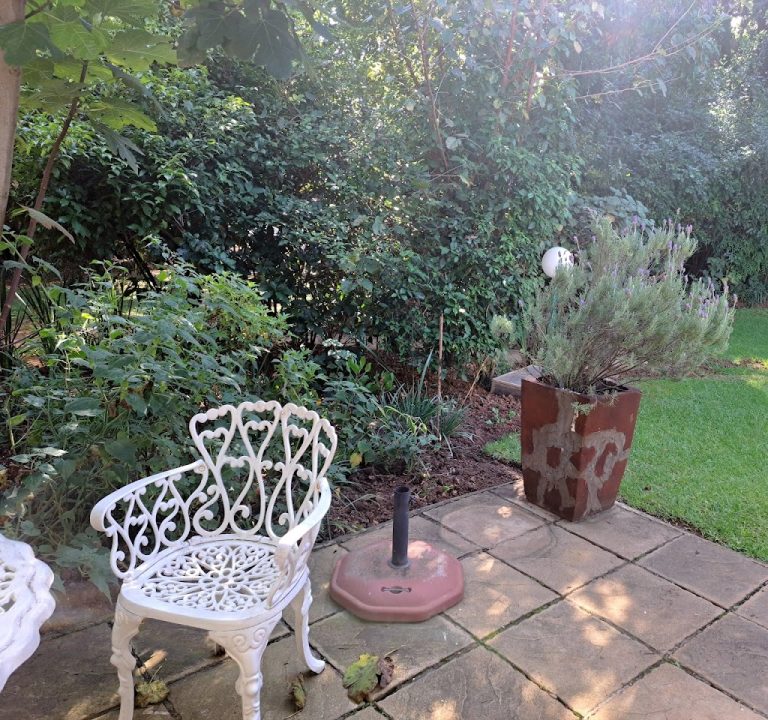
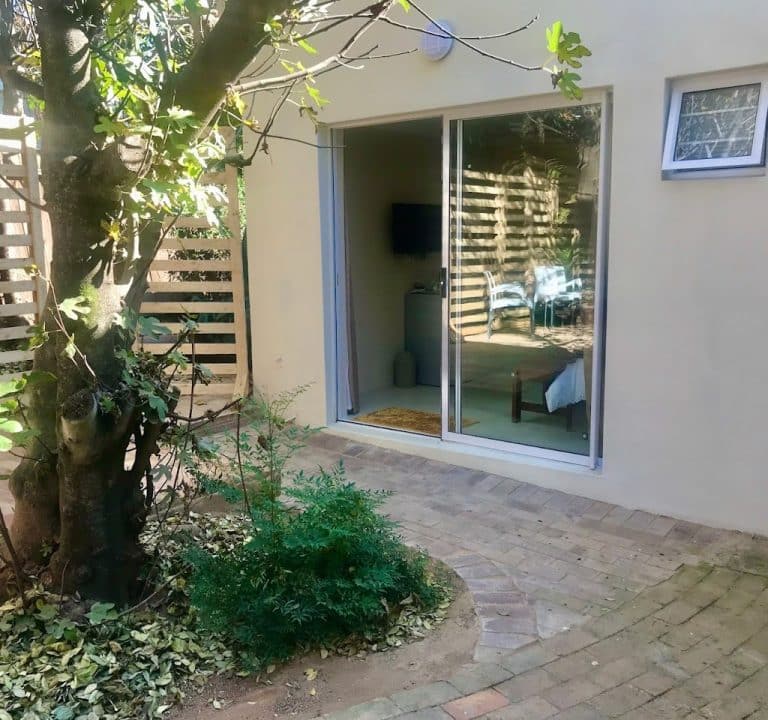
Typical amenities to look for include en‑suite bathrooms, air conditioning or fans, a hospitality area for tea and coffee, and clear charging facilities for devices. Some guesthouses and boutique stays offer small lounges, courtyard spaces, or rooftop decks where you can unwind after a day of sightseeing. If you’re visiting during peak tourist seasons, consider flexible cancellation policies and written confirmations from your host or property manager so you have options if plans change.
Transport in Johannesburg ranges from the car‑dependent city centre to well‑connected rail and bus services. The Gautrain provides rapid connections between the airport, central Johannesburg, and Pretoria, which can greatly simplify travel to business meetings or day trips. Within the city, rideshare apps are commonly used, and some areas are walkable or bike‑friendly, especially in urban precincts with short blocks and pedestrian streets. When staying in central or northern districts, you’ll typically find a mix of taxi, rideshare, and on‑foot options to reach attractions, markets, and dining hotspots. If you plan to explore beyond the city core, a car or organised tours can provide flexibility for day trips to nearby parks or historical sites.
The best time to visit Johannesburg tends to be in the milder months of late autumn and spring, when daytime temperatures are comfortable and rain is less frequent. Winter (May to August) is cool but generally dry, and can be excellent for city sightseeing and museum visits. Summer brings occasional thunderstorms and warmer days, which can be ideal for outdoor markets and parks, provided you’re prepared for short bursts of rain. Pack layers to adapt to changing temperatures and a light rain jacket for summer showers. If you’re planning outdoor activities, early mornings or late afternoons tend to be the most pleasant.
When it comes to planning an itinerary, mix cultural highlights with relaxation and food experiences. Johannesburg’s museums and historical sites offer context for South Africa’s diverse heritage. Markets and street‑level dining scenes provide a taste of local life, from casual eateries to more refined venues. For a balanced stay, pair a morning of sightseeing with leisurely afternoons in parks, on city rooftops with views over the skyline, or at cafés where you can watch the city go by. If you’re considering day trips, close by nature reserves, botanical gardens, or short drives to nearby towns can provide a refreshing contrast to the city and help you recharge between museum visits or shopping days.
Practical tips to help you plan smoothly:
- Book accommodation with flexible cancellation and clear guidance on safe travel routes in the area.
- Choose a base near a Gautrain station or major transport corridor if you plan to move around without relying on long drives.
- Look for a host or property with local guidance on safety, dining options, and must‑see neighbourhoods.
- Demonstrate awareness of local customs and etiquette, particularly when visiting townships or communities outside the main tourist zones.
- Plan meals around local markets or casual eateries to experience everyday Johannesburg life, while saving time for highlights you don’t want to miss.
For those seeking inspiration, official tourism resources and city‑level guides offer itineraries that balance culture, dining, and outdoor spaces. Exploring Johannesburg is about discovering energy, diversity, and the warmth of its people, alongside comfortable places to stay that feel like a considered home away from home.