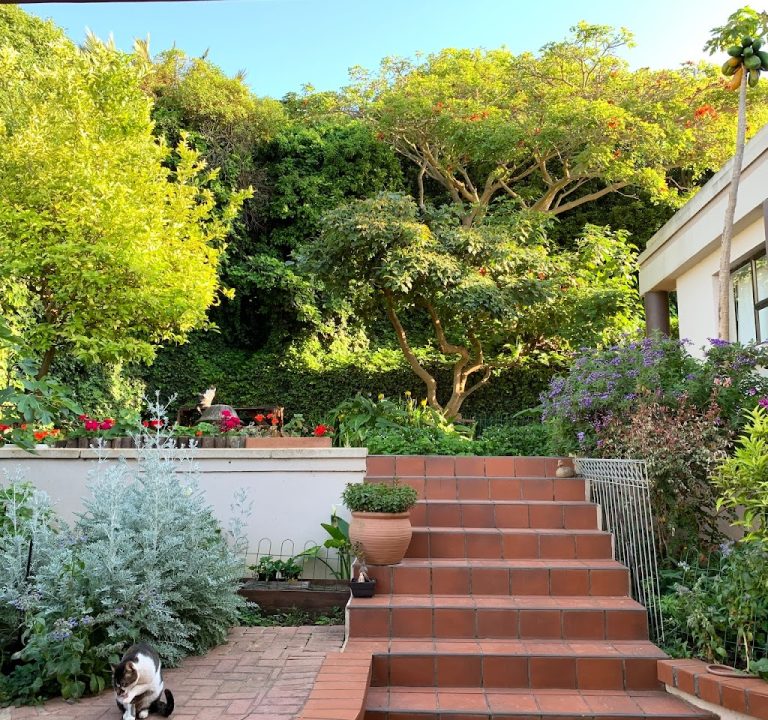
Discovering Cape Town: accommodation, attractions and dining for your stay
Cape Town, perched between the Atlantic Ocean and the iconic Table Mountain, offers a diverse range of accommodation to suit every traveller. When planning a stay, think first about the area that will put you closest to the experiences you value most—whether it’s sun-kissed beaches, vibrant city life, or easy access to nature. From boutique guest houses and cosy BnBs to stylish hotels and family-run lodges, you’ll find options that blend comfort with a sense of place.
Neighbourhoods to consider include the city centre and the “City Bowl” for a lively urban atmosphere with easy access to museums, markets and nightlife. The Atlantic Seaboard—encompassing Camps Bay, Bakoven and Clifton—offers dramatic sea views and beach access, ideal for postcard-perfect mornings and walkable coastal dining. Green Point and the V&A Waterfront area are great for those who want a central hub with excellent transport links, a choice of restaurants, and proximity to major attractions. For a more relaxed, leafy vibe, Constantia and the Southern Suburbs provide tranquillity, wine-tasting opportunities and easy drives to the Constantia Valley wine routes. If you’d prefer a more laid-back, coastal village feel, places like Hout Bay and the False Bay coast are worth exploring.
When choosing where to stay, consider the transport options you’ll rely on. Cape Town has a comprehensive MyCiTi bus network and a growing share of ride‑hailing services, which can make it simple to move between beaches, tourist hotspots and dining districts. If you plan day trips to the Cape Winelands, Cape Point, or the Cape Peninsula’s coastal routes, a guest house or hotel with easy access to major routes or a reliable shuttle service can be advantageous. Some properties may offer parking, which is worth confirming if you intend to hire a car for longer excursions.
Typical accommodation formats range from intimate guest houses and BnBs to boutique hotels and self-catering lodges. Shared spaces can be welcoming and stylish, while private rooms or suites provide more privacy. Many properties pride themselves on a personal touch—with hosts who can share local recommendations, help tailor day trips, or arrange on-site experiences. It’s worth looking for hospitality extras such as secure parking, property security, reliable Wi‑Fi, and flexible check-in times, especially if you’re arriving late from a flight or rail connection.
Best time to visit Cape Town depends on what you want from your trip. The summer months (roughly November to February) bring longer days and warmer seas, which suit beach activities and outdoor dining. Winter (May to August) tends to be cooler and windier, yet the city still offers rich indoor experiences, shorter queues at attractions, and the opportunity to explore museums, galleries and nearby towns without the peak-season crowds. Shoulder seasons can be excellent for better value and a balance of sun and fewer crowds. If you plan to explore the Cape Peninsula or the wine routes, check for weather patterns and day-trip timings, as certain routes can be weather-sensitive, especially in winter storms.
To plan a balanced stay, think about a mix of rest and activity. Start with a couple of anchor experiences—such as a cable-car or a guided nature hike on Table Mountain, a visit to a waterfront precinct, and a day exploring the Constantia Valley or a scenic coastal drive. Build in downtime at your accommodation—perhaps a balcony with sea views or a cosy guest lounge—so you can savour local breakfasts, toast the day with a favourite coffee, and plan your next excursion in a relaxed way.
Facilities and amenities to look for when booking include reliable air conditioning or heating (Cape Town evenings can be cool even in warmer months), good quality beds and clean bathrooms, and an inviting communal area if you enjoy meeting fellow travellers. Some guests favour properties that offer self-catering facilities, laundry services, or curated local experiences such as guided walks, wine tastings, or culinary demonstrations. If you have mobility needs, check accessibility features and proximity to routes that would suit your plans.
Eating out and enjoying the local food scene is part of the Cape Town experience. The city’s dining landscape ranges from markets and casual eateries to more refined restaurants and wine-pairing venues. In general, places near the coast often emphasise seafood and light, fresh dishes, while the city bowl and surrounding suburbs offer a mix of modern South African cuisine and international flavours. For a first‑time visit, ask hosts or staff for directions to nearby favourites—many guests appreciate being guided to honest, locally loved spots rather than the most hyped venues.
If you’re staying at a guest house such as a name you may encounter during trip planning, expect a personalised touch: hosts who can tailor a stay to your rhythm, share practical tips for getting around, and help with day trips. You’ll often find a simple breakfast provision, shared dining spaces, and a sense of neighbourhood character that you won’t get at larger hotels. For booking, read guest reviews carefully to gauge the consistency of service, quiet hours, and how host recommendations align with your plans. Always confirm what is included in the rate—parking, breakfast, housekeeping, and access to communal spaces—to avoid surprises on arrival.
- Consider proximity to the city’s main transport routes and to attractions you most want to see.
- Check for reliable Wi‑Fi, on-site parking, and flexible check-in options.
- Look for host guidance on day trips, safety and local dining picks.
- Assess the balance of private space versus shared areas based on your preferences.
With careful planning, Cape Town can offer a stay that is not only comfortable but deeply enriching—combining a comfortable home base with access to unforgettable natural landmarks, delicious cuisine, and memorable experiences. For more ideas and practical planning, you can explore official tourism resources and regional guides, which will provide current information on attractions, eateries, and routes across the Western Cape.