Discovering Cape Town: Where to stay, what to do, and how to plan your visit
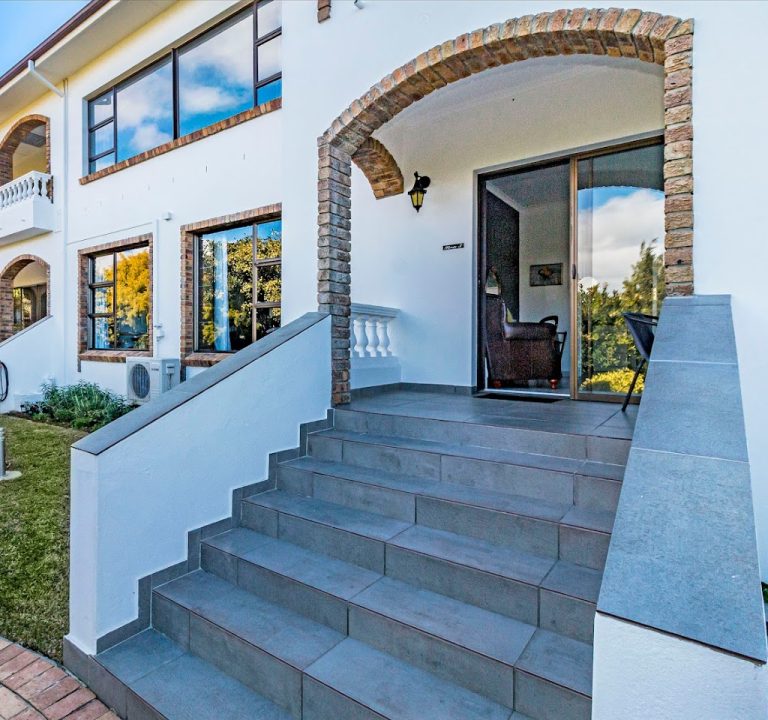
Cape Town sits at the southern tip of Africa, a city rich in scenery, culture and coastline. When planning a stay, consider the rhythm of neighbourhoods as well as the pace of the seasons. The right base can make days of sun, sea and exploration feel effortless, with easy access to mountain views, beach walks and cultural experiences. For travellers seeking a comfortable boutique feel, or a more traditional hotel setting, there are plenty of options that combine style, convenience and friendly service. A sample option to explore is the 5 Rembrandt Guesthouse, which offers a welcoming base with character and practicality, and a dedicated website for planning details: http://5rembrandt.co.za/.
Accommodation in Cape Town often centres on a few distinct areas. The City Bowl offers a compact, walkable core with stylish guesthouses, modern hotels and intimate boutique stays close to eateries, bars and cultural venues. The V&A Waterfront provides scenic harbour views and convenient access to boat trips and museums, with options ranging from boutique hotels to larger properties that suit families. The Atlantic Seaboard, including areas such as Camps Bay and Bantry Bay, is known for scenic coastlines, palm-lined beaches and glamorous yet relaxed stays. Green Point and the Twelve Apostles corridor offer easy access to Stadium, parks and a breezy coastal ambience. For a more leafy, residential feel with great views, neighbourhoods near the Table Mountain foothills are ideal. Consider proximity to mountain access routes, winelands day trips and reliable transport links when choosing a base.
When choosing accommodation, look for a few practical details. A comfortable bed and good lighting are essential after long days of sightseeing. Check whether rooms have air conditioning or heating, depending on the season, and whether bathrooms are en-suite. A reliable Wi‑Fi connection is important for planning trips, researching routes and staying connected with friends and family. Consider whether you favour a breakfast-inclusive option, a self-catering space, or a full-service restaurant on site. For some travellers, a small outdoor space, a balcony or access to a garden can add to the experience, especially in warmer weather. If you are travelling with family or large groups, verify room configurations, parking arrangements and accessibility features to avoid surprises on arrival.
Transport in Cape Town is well developed but requires a bit of planning. Many central and coastal areas are walkable or bike-friendly for short hops, while larger trips between the city bowl and beaches are easier with a hire car or a reputable transfer service. Uber and local taxi apps operate in the city, and some lodging options offer shuttle services or guided excursion recommendations. If you are planning day trips, such as a visit to the surrounding winelands, the coast, or a high-ride to Table Mountain’s cable car base, check whether your accommodation can arrange a pick‑up, or whether you should hire a car for flexibility. Public transport, such as trains and buses, is available but less relied upon for scenic access outside central areas. A little forethought about where you base yourself can save time and maximise your days on the ground.
The best time to visit Cape Town depends on your priorities. Spring (September to November) brings milder weather and blooming gardens, while the summer months (December to February) deliver long sunny days perfect for beaches and outdoor activities. Autumn (March to May) offers calmer crowds and comfortable conditions for exploring Table Mountain’s viewpoints or coastal walks. Winter (June to August) is cooler and can be windier, with occasional rain, yet there are still plenty of indoor cultural highlights and wine-tasting opportunities in nearby regions. Consider scheduling outdoor sightseeing for mornings when the air is fresh and the afternoon heat eases. Coastal areas can feel lively in peak season, so booking at least a few weeks in advance is sensible during holidays and school breaks.
Top practical tips for planning your Cape Town stay:
- Book accommodation with easy access to the sights you want to prioritise, whether that means mountain viewpoints, harbour walks or a beach day.
- Check for on-site facilities such as reliable air conditioning, heating, breakfasts, and secure parking.
- Be mindful of safety considerations and avoid isolated areas after dark; choose well‑reviewed properties in reputable neighbourhoods.
- Plan a mix of paid attractions and free experiences, such as scenic walks, viewpoints, markets and coastal trails.
- Allow time for a guided tour or a professional-led experience to gain context about landscapes, history and local life.
In addition to lodgings, Cape Town offers a broad range of visitor experiences—many of which are best enjoyed at a gentle pace. You can expect expansive views from Table Mountain and other ridges, sunset walks along the coastline, and opportunities to sample local cuisine in vibrant markets and contemporary restaurants. Cultural experiences, such as museums and galleries, provide insights into the region’s history and creative scene. A day trip to the Cape Peninsula or nearby wine routes can be a rewarding addition to a city‑side itinerary, with landscape variety from rugged coastlines to rolling vineyards. When it comes to dining, Cape Town’s restaurant scene spans casual cafés to refined eateries, focusing on fresh seafood, classic South African flavours and modern international influences—without needing to plan every meal around a specific name, as many venues offer seasonal menus and refreshing interpretations of local ingredients.
For travellers seeking a comfortable, characterful stay that balances convenience with flavourful local experiences, Cape Town offers an inviting blend of options. Whether you choose a compact guesthouse in a hillside neighbourhood, a stylish hotel near the water, or a boutique lodge with easy access to nature, your base can be the starting point for memorable days of exploration, cuisine and coastal relaxation. If you wish to explore a ready-made option with its own dedicated site, you can visit the linked page for 5 Rembrandt Guesthouse at http://5rembrandt.co.za/ for further planning details and an example of how a well-located stay might feel.