Queenstown, Eastern Cape: a practical guide to accommodation, attractions and local experiences
Queenstown in the Eastern Cape offers a classic South African small-town experience with a scenic backdrop of the surrounding hills and wide-open skies. The town serves as a convenient base for exploring the region, whether you favour cosy B&Bs, guesthouses, or compact lodges. When planning a stay, think about the kind of atmosphere you prefer, how you will move around, and what sights you want to prioritise. Accommodation here tends to be friendly and relaxed, with hosts often sharing tips on day trips, farm stalls and local eateries.
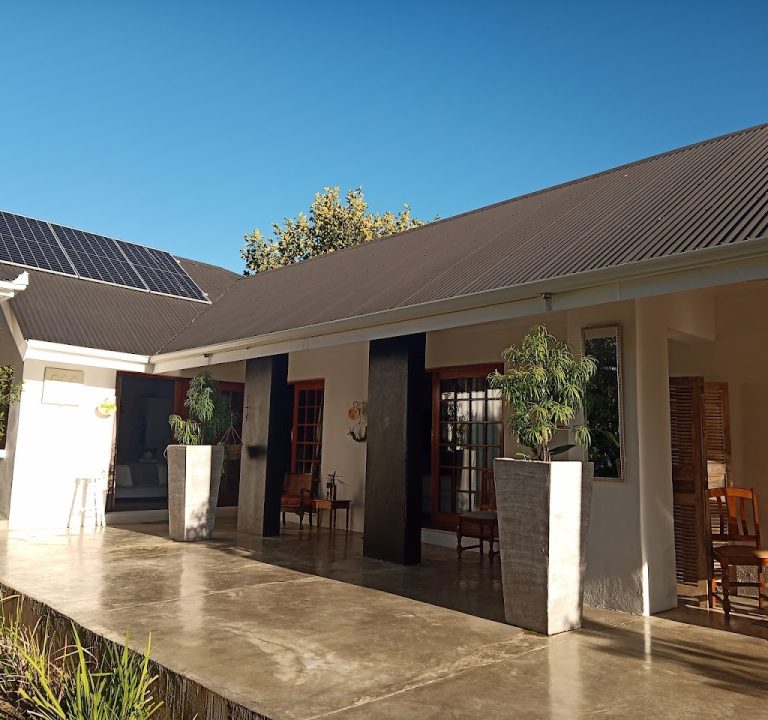
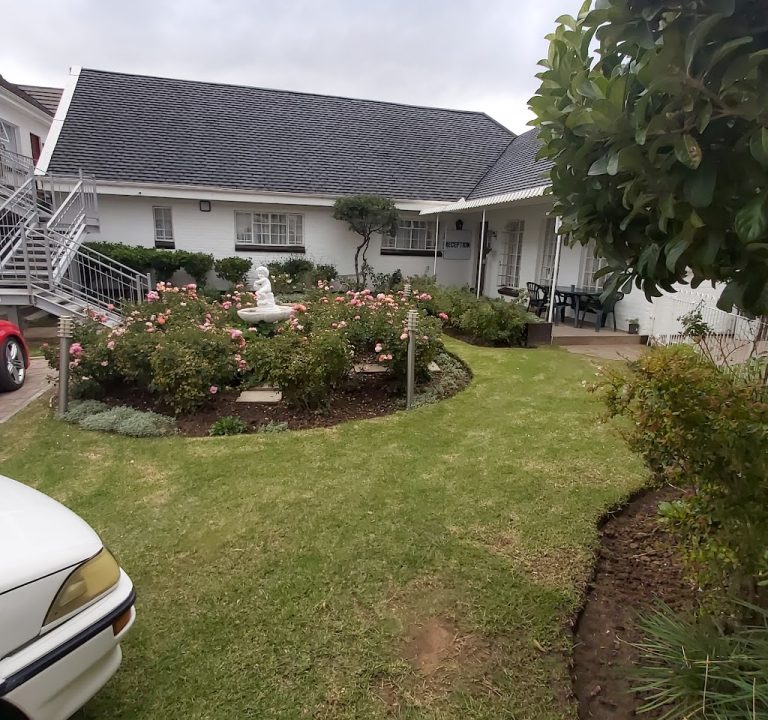
Accommodation options range from intimate bed-and-breakfasts to larger guesthouses, many blending traditional charm with practical comforts. If you are seeking a homely welcome with personal touches, a B&B such as Wagon Inn (a well-regarded option in the area) can offer a comfortable base with a focus on hospitality. Look for rooms with en-suite facilities, free Wi‑Fi, secure parking, and space to relax after a day’s exploring. A good B&B or guesthouse will typically provide a hearty breakfast, helping you fuel up for long days of sightseeing or hiking.
Areas to consider when booking include the town centre, where you’ll find easy access to shops, cafés and the main routes out to surrounding countryside. A quieter residential area nearby can be ideal if you prefer a peaceful night’s sleep with a shorter stroll to local amenities. If you require a shorter drive to the main attractions or transport hubs, check the distance and the usual travel time to key sights so you aren’t left waiting for taxis or navigating busy roads in the dark.
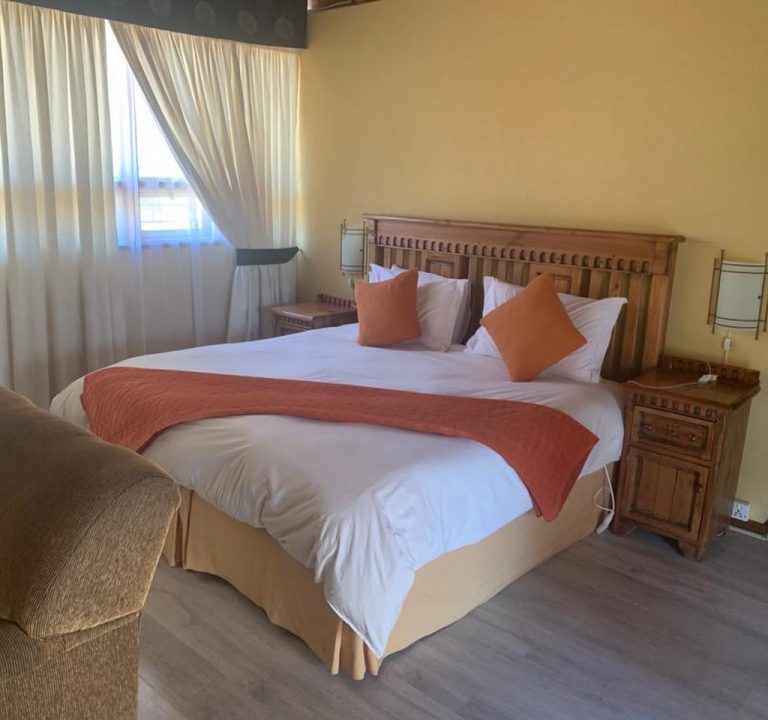
Typical amenities to look for include reliable hot water and comfortable beds, thoughtful extras such as a kettle in the room, quality linen, and good heating or air conditioning for variable weather. For families or groups, confirm whether rooms connect or whether there are larger suites available. A guesthouse with a small garden or veranda can be welcome for evening relaxation, while secure on-site parking is a practical plus for those exploring by car.
Transport in and around Queenstown is straightforward but can be hilly in parts. If you are self-driving, check whether your chosen accommodation offers on-site parking and the easiest routes into town. For those relying on buses or taxis, enquire about the typical wait times and whether hosts can arrange trusted local transfers. Some smaller guesthouses may provide guided advice on day trips or tours, which can be a helpful start to planning longer excursions into the Karoo scenery or nearby hill ranges.
The best time to visit Queenstown depends on what you want from your trip. Spring and autumn offer mild temperatures ideal for walking and outdoor photography, while summer brings longer days and the chance of warmer evenings. Winter can be cooler, with clearer skies that are excellent for stargazing and scenic views after a day’s activity. If you are interested in seasonal farming or market feel, check whether local producers run weekly markets or seasonal stalls during your stay—these can be a great way to taste regional produce and meet residents.
When planning an itinerary, consider balancing nature experiences with cultural and culinary highlights. The surrounding countryside is suited to leisurely drives, short hikes and viewpoints that reward patient observers with sweeping landscapes. In town, you can expect friendly eateries offering traditional South African staples alongside lighter meals and coffee shop favourites. Rather than basing your entire trip around one attraction, aim for a mix of outdoor time, historical interest and a relaxed dining plan to avoid fatigue.
Practical tips for a smooth stay:
- Contact your accommodation in advance to confirm check-in times and any special dietary needs. A note on arrival can help hosts prepare a welcoming room with your preference in mind.
- Pack layers and a light rain jacket. Weather can be changeable, especially in the higher or more exposed parts of the district.
- Bring a reusable water bottle and comfortable walking shoes for easy day trips around the town and nearby viewpoints.
- Plan essential trips for daylight hours to maximise views and photography opportunities; some routes may have limited services in the evenings.
- Respect local communities and natural settings—stick to marked paths and follow guidelines for protected areas.
Dining and casual spots in Queenstown offer a friendly, relaxed atmosphere rather than haute cuisine. Most visitors enjoy a mix of casual cafés, family-run eateries and traditional South African dishes. When seeking a place to eat, look for venues that showcase local produce and provide a comfortable environment for conversation after a day of exploring. For a broader experience, consider combining a meal with a short walk through a nearby park or historic streets, which often reveals additional scenery and photo opportunities.
Ultimately, a stay in Queenstown should feel like a balanced blend of restful accommodation, easy transportation, and uncomplicated days spent discovering the landscape, meeting locals, and sampling regional flavours. By choosing an area that aligns with your pace, confirming essential amenities, and planning a practical mix of outdoor and cultural activities, you can enjoy a memorable break in this part of the Eastern Cape.