Staying in Ceres, Western Cape: accommodation, attractions and practical planning tips
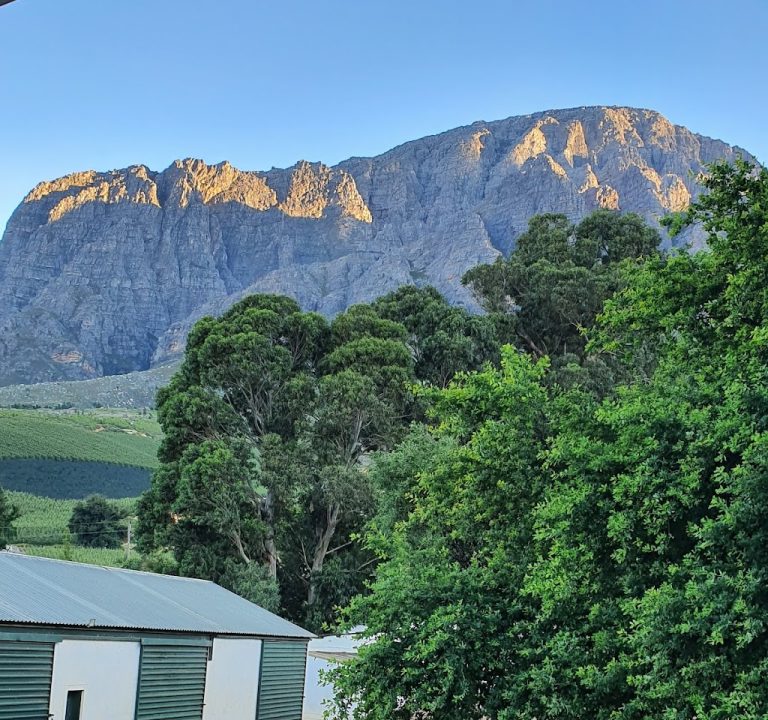
Ceres, tucked within the scenic Boland region of the Western Cape, offers a welcoming mix of small guest houses, farm stays, and country lodges amid fruit orchards and rugged mountain scenery. Planning a stay here means balancing rural quiet with easy access to hiking, farm experiences, and nearby towns. Whether you are seeking a cosy retreat or a base for day trips, Ceres provides options that suit a range of budgets and styles.
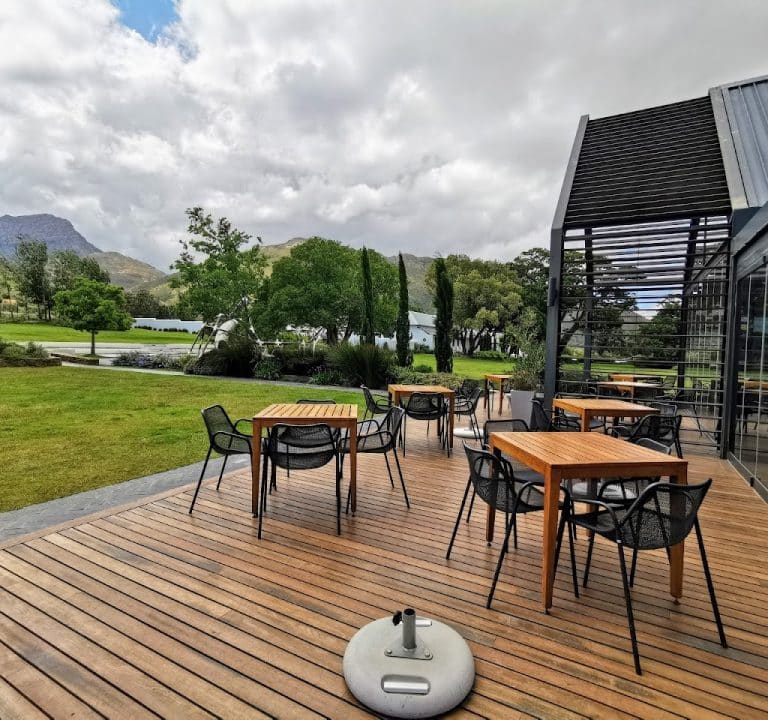
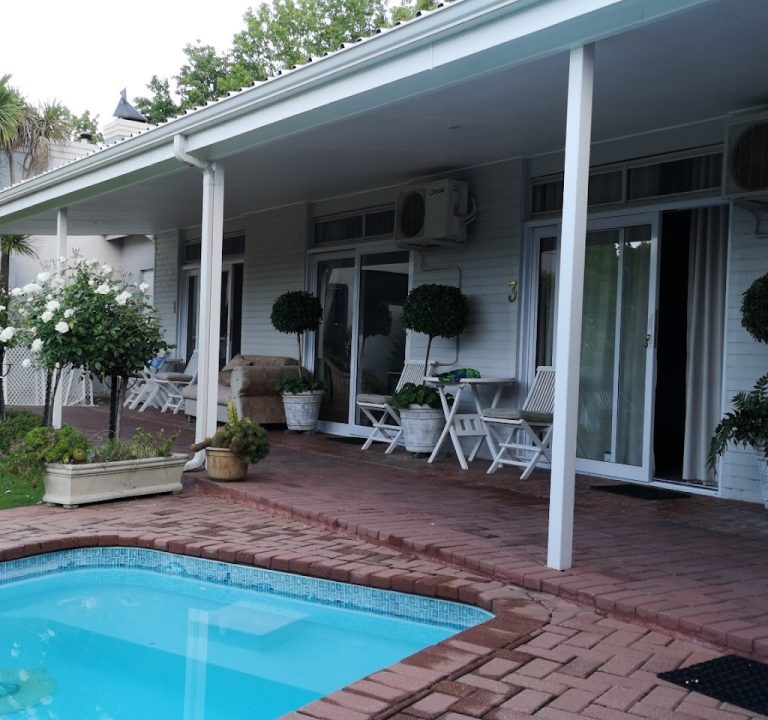
Accommodation options and what to look for when booking. In Ceres you’ll typically find guest houses and small lodges that prioritise a warm, personalised welcome. Look for hosts who can share local knowledge about short walks, vantage points, or seasonal fruit harvests. Typical amenities you may encounter include off-street parking, Wi-Fi, self-catering facilities or kitchen access, central heating or cosy fireplaces for cooler evenings, and outdoor spaces such as patios or gardens. Some properties sit on or near working orchards, offering tranquil rural surroundings and the chance to observe farm life at a gentle pace. If access to the countryside is important, check how close accommodation is to trailheads or scenic routes, and whether there are easy dining options nearby.
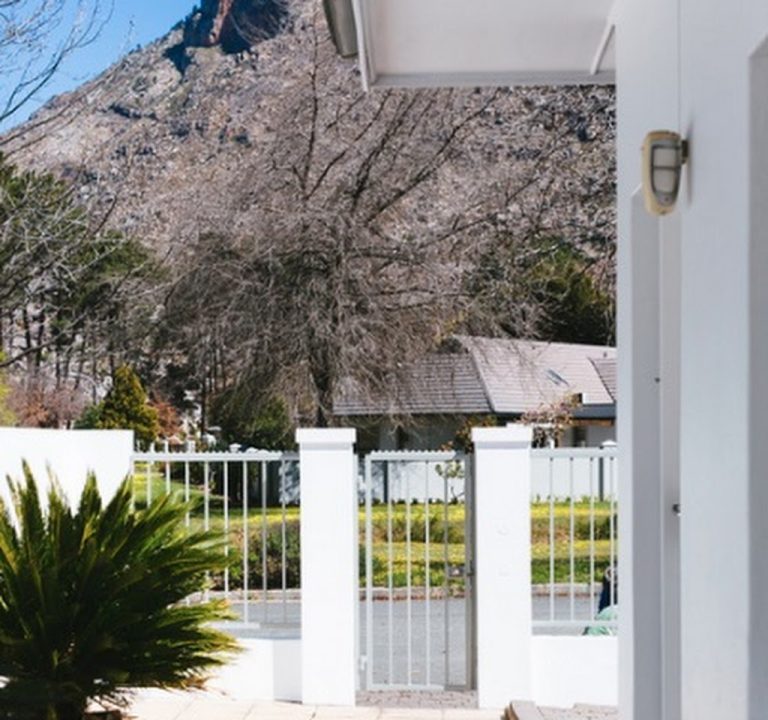
Areas to consider when choosing where to stay. Ceres itself serves as a convenient hub with access to countryside routes, but you may also encounter nearby towns and rural villages within a short drive. Consider proximity to the main roads and the level of countryside noise you’re happy with. If you prefer a more peaceful hideaway, look for guest houses set back from the main thoroughfares with private verandas or gardens. For walkers and outdoor lovers, a location closer to hiking trails or viewpoints can minimise transfer time and maximise time outdoors. When travelling with family or a small group, a guest house with flexible sleeping arrangements, extra lounge space, and secure parking can be particularly advantageous.
What to expect in terms of transport and getting around. Ceres and its surrounding farmlands are best explored with a car, granting easy access to viewpoint drives and countryside routes. If you’re relying on public transport, arrange local transfers in advance and confirm pickup points with your host. On-site parking is a common and helpful amenity. For day trips, you may plan routes that circle through nearby towns or return to your base for a relaxed evening in a country setting. When booking, ask about accessibility if you require level access, as some rural properties have steps or uneven surfaces.
Best time to visit and seasonal notes. The Western Cape climate brings distinct seasons. Spring and autumn offer mild temperatures and clear skies, making it ideal for outdoor walks and photos on orchard lanes. Summer brings longer days and vibrant countryside, but it can be warmer inland, so plan light layers for mornings and evenings. Winter can be cooler and wetter; cosy guest houses with fireplaces or heaters become especially appealing. If your schedule is flexible, aim to align your visit with shoulder seasons to enjoy quieter countryside and more personal attention from hosts and staff.
Typical activities and experiences to look forward to. In and around Ceres you can expect a relaxed pace with opportunities for short hikes, scenic drives, and fresh-air experiences. Many visitors enjoy wandering through orchards during harvest seasons, tasting seasonal local produce, and learning about farm life. Quiet walks along riverbeds or through foothill trails provide chances to spot native birds and small wildlife. For a broader itinerary, consider day trips to nearby towns or nature reserves to amplify your countryside experience, while returning to your guest house for a comfortable night and a homemade meal or local takeaway.
Restaurants and dining considerations. In rural parts of the region, dining options are often found within the guest houses themselves or at family-run eateries nearby. When staying in Ceres, you may encounter seasonal menus featuring local produce and country-inspired dishes. Many guests choose to dine on-site for convenience or explore nearby cafés and bistros that offer light meals, freshly baked goods, and hearty comfort dishes. If you have dietary requirements or preferences, communicate these to your host in advance to help with any arrangements or recommendations.
Practical tips for a smooth stay. Book with clear cancellation policies and confirm inclusions such as breakfast or kitchen access. Bring suitable clothing for variable weather and outdoor activities, plus comfortable footwear for country walks. Check whether the accommodation provides maps or recommended routes, and ask about any local advisories (such as road conditions or seasonal closures). Plan a flexible itinerary that balances restful days with a few day trips to explore the surrounding countryside. Finally, respect farm life and rural residents by following guidance from hosts, keeping noise to considerate levels, and leaving spaces tidy for the next guests.
- Book ahead during peak harvest seasons to secure preferred rooms with scenic views.
- Ask hosts for recommended local walks, viewpoints, and farm experiences.
- Check parking arrangements and accessibility features if required.
- Confirm whether breakfast or self-catering facilities suit your plans.
- Read guest reviews for insights into the comfort and personal touches offered by hosts.