Accommodation and Experiences in Ceres, Western Cape: A Practical Guide
Ceres, nestled in the pittoresque Langeberg mountains of the Western Cape, is a gateway to outdoor adventures, farming landscapes and a slower pace of life. Whether you are seeking a cosy stay in a guesthouse, a rural retreat on a working farm, or a comfortable base for exploring the area, Ceres offers options that suit a range of budgets and travel styles. When planning a stay, think about proximity to the town centre, access to key routes, and the kind of experiences you want to prioritise, such as hiking, berry farming, or scenic drives.
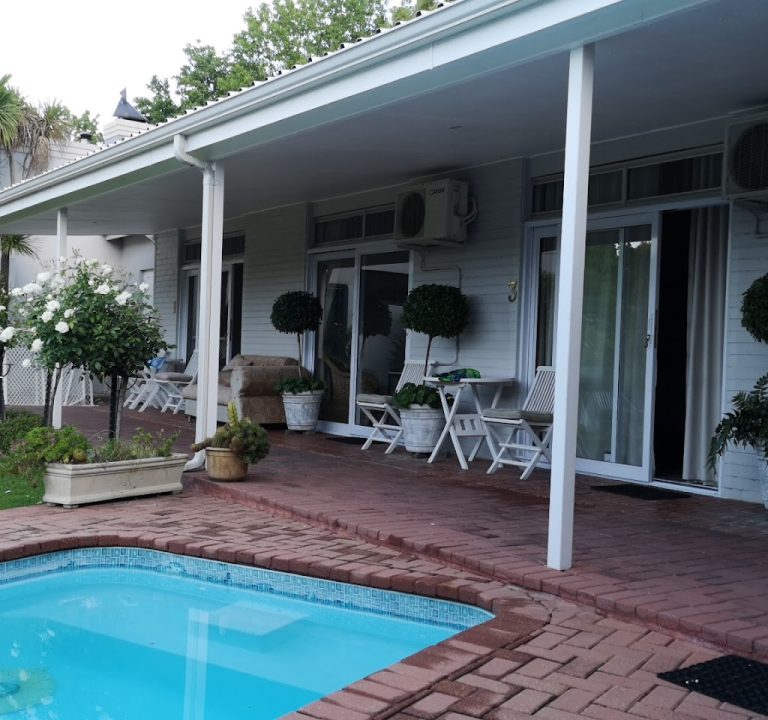
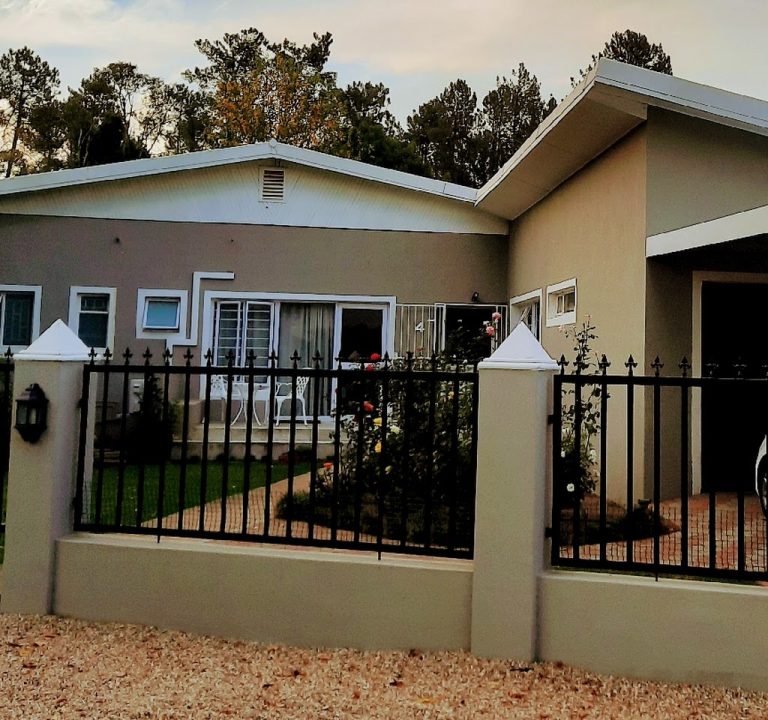
Die Palmboom Guest House is one example of a guest house option in Ceres, offering a convenient location for visitors who want a comfortable home-from-home while exploring the region. While staying there, guests can expect well-appointed rooms, friendly service, and easy access to local attractions and amenities. Other stay possibilities include small family-run lodges, traditional farm guesthouses and self-catering cottages, all often set against the backdrop of orchards, farmland and rugged hills.
Areas to consider when choosing where to stay
- Town centre versus rural outskirts: Staying near the town centre provides quick access to shops, eateries and public transport links, while rural stays offer more seclusion and direct access to countryside walks.
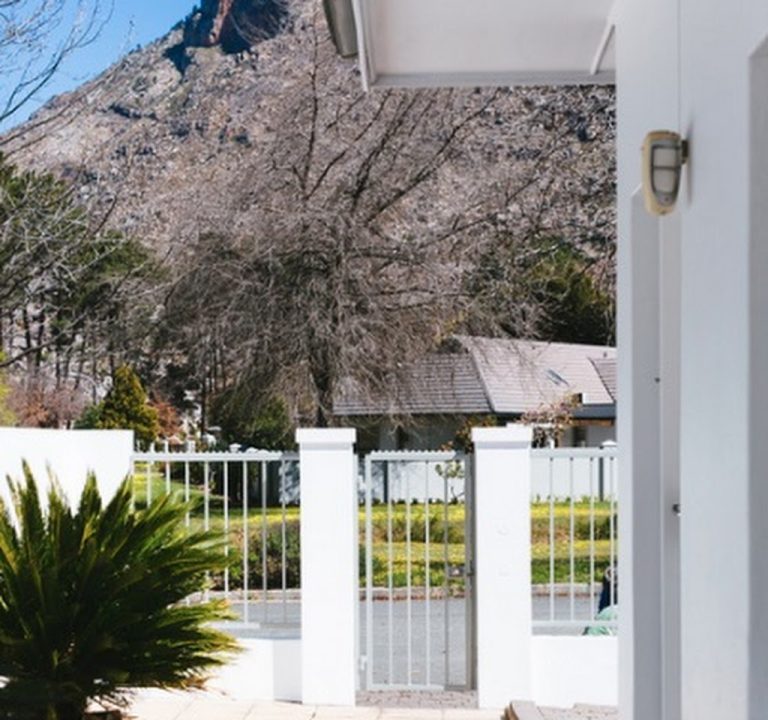
- Scenic approaches: Look for properties with views over the valley, orchards or the surrounding mountains; morning light and quiet surroundings can significantly enhance a rural break.
- Parking and access: If you are touring by car, check whether your accommodation has on-site parking and easy access to main roads leading to attractions.
- Accessibility: Some guesthouses and lodges offer ground-floor rooms or features that make longer stays more comfortable; consider mobility needs if travelling with family or older guests.
What to look for when booking
- Room configuration and flexibility: Decide whether you need single rooms, family units, or suites with separate living areas. Confirm bed types and whether there is a private bathroom per unit.
- Amenities: Common preferences include secure parking, Wi‑Fi, tea and coffee facilities, and en-suite bathrooms. A small kitchenette or self-catering option can be a big plus for longer stays.
- House rules and policies: Check check-in times, cancellation policies, and whether breakfast is included or available as an add-on. Clarify any farm or rural-noise considerations, especially in harvest seasons.
- Local tips: Hosts in Ceres often share helpful recommendations for hikes, berry picking, markets and seasonal events. A friendly host can be a valuable resource for planning your days.
Typical amenities and practicalities
- Breakfast and meals: Many guesthouses in the region offer generous breakfast options and may provide home-baked breads, seasonal fruit, and hot dishes. If you plan to explore late, confirm if there are options for packed lunches or evening meals.
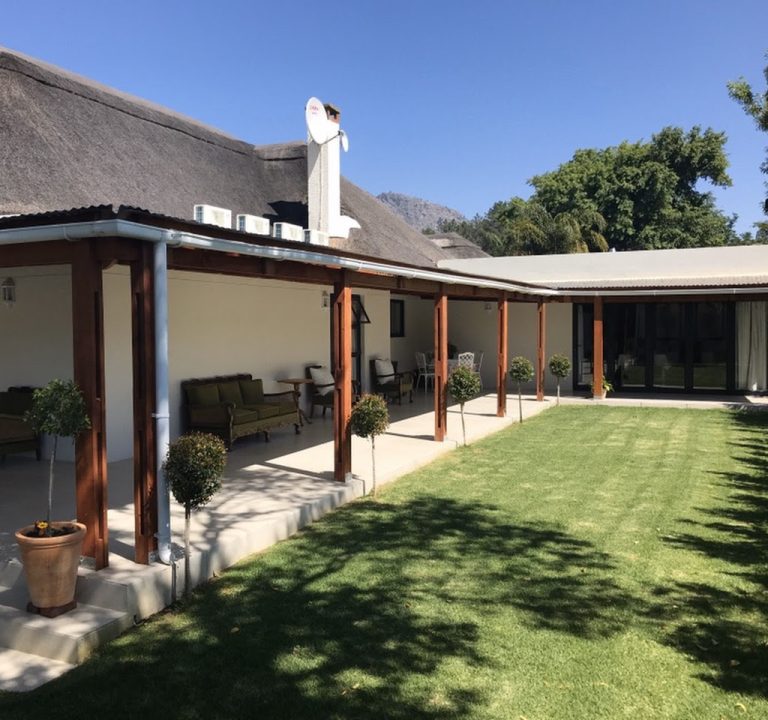
- Outdoor spaces: Expect welcoming verandas, gardens or courtyards where you can unwind after a day of exploring. Some properties may offer braai facilities or outdoor seating with mountain views.
- Laundry and convenience: For longer stays, access to laundry facilities is a practical feature. In rural settings, some hosts may offer ironing or laundry services on request.
- Transport advice: If you’re driving, request directions and drive times between your base and key sights. Local knowledge about road conditions, especially in wet seasons, can spare delays.
Transport and getting around
- Car hire versus self-drive: A car is typically the easiest way to explore Ceres and the surrounding wine-and-fruit growing areas. Confirm parking space at your accommodation and whether it is secure.
- Public transport and tours: Public transport options are limited in rural parts of the Western Cape, so planning private transfers or guided day trips can simplify logistics.
- Walkability and short trips: For shorter stays, choose a central base from which you can stroll to markets or cafés, then venture further afield by car for longer day trips.
Best time to visit and seasonal tips
- Spring and autumn are pleasant for outdoor activities and photography, with mild temperatures and colourful landscapes.
- Summer offers longer daylight hours and opportunities for berry picking, markets and scenic drives, though afternoons can be warm.
- Winter can be cooler and is a good time for cosy guesthouse stays and clear mountain air; check for heating and layered clothing.
- Harvest seasons bring vibrant rural life, so advance bookings are wise during peak periods.
What to do in and around Ceres
- Outdoor pursuits: Hiking in the surrounding hills, scenic drives through fruit and berry farms, and opportunities for mountain biking or nature walks.
- Local dining and markets: Sample seasonal produce and farm-to-table flavours at local eateries and markets, where regional ingredients often feature prominently.
- Cultural and family-friendly activities: Visitors often enjoy gentle strolls through rural towns, village squares and farms that provide a glimpse into the agricultural heritage of the Western Cape.
Practical tips for a smooth stay
- Book ahead in peak seasons, particularly if you want specific rooms or a particularly scenic location.
- Bring a light jacket and sturdy footwear for changeable highland weather and early morning excursions.
- Check what’s included in the rate (breakfast, cleaning, or kitchen access) to avoid surprises.
- Respect the rural environment: dispose of waste responsibly, follow farm rules, and be mindful of animals and sensitive habitats.
Website pointers
- Many accommodation providers in Ceres maintain simple, informative pages with photos and local highlights. If you discover a particular guest house or lodge, it’s worth exploring their site for current amenities and policy details.
With careful planning, a stay in Ceres can be a refreshing blend of countryside charm and outdoor adventure. By selecting the right base, understanding what to expect, and leveraging local knowledge, you can craft a memorable visit that complements the natural beauty and hospitality of the Western Cape.