Discovering Ceres: accommodation, attractions and practical planning
In the heart of the Western Cape, Ceres offers a surprisingly diverse base for visitors who value scenery, outdoor activity and a slower pace. The town sits amid fruit valleys and surrounding mountains, with a climate that can feel distinctly continental compared with coastal regions. When planning a stay in Ceres, travellers will benefit from choosing an area that suits their intended activities, whether you are chasing mountain air, orchard views, or easy access to the valley’s rural charm.
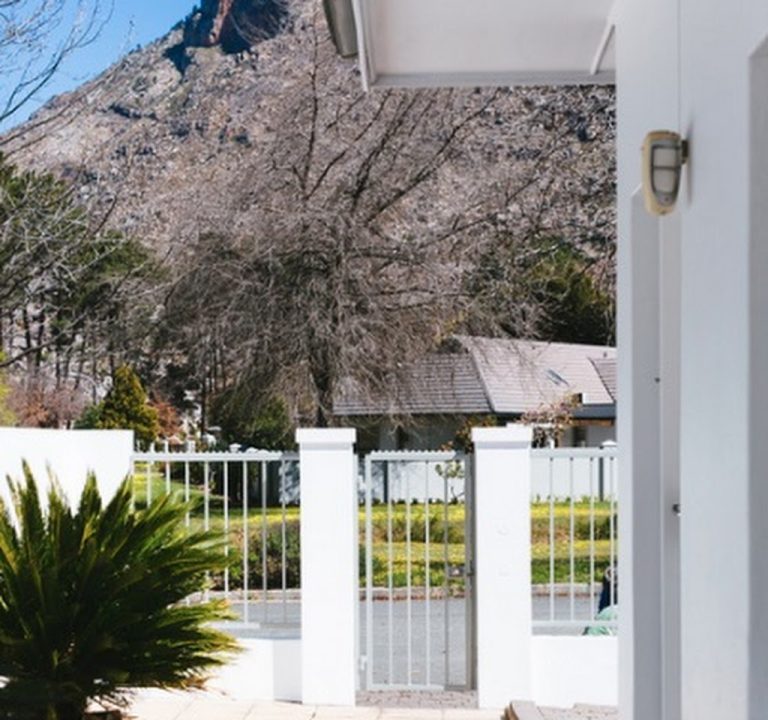
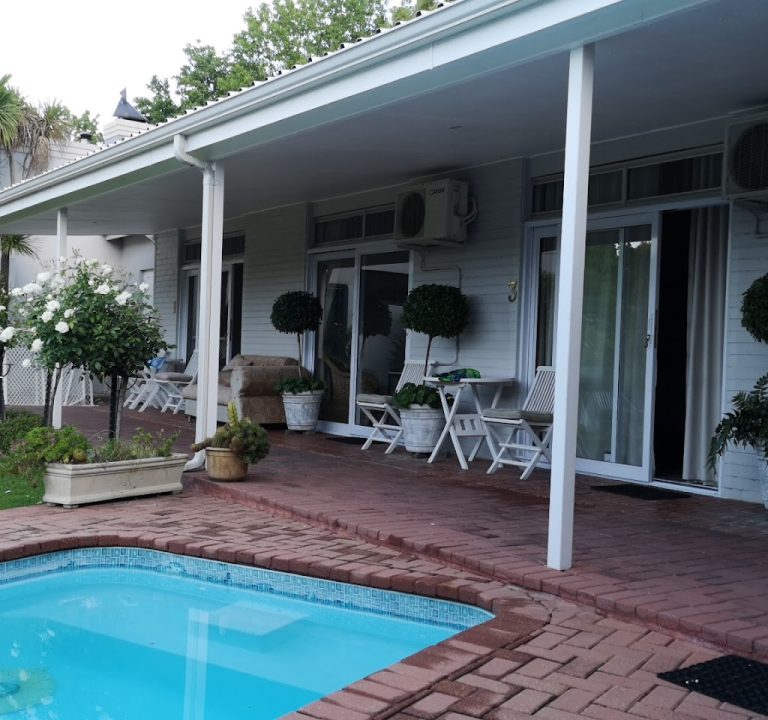
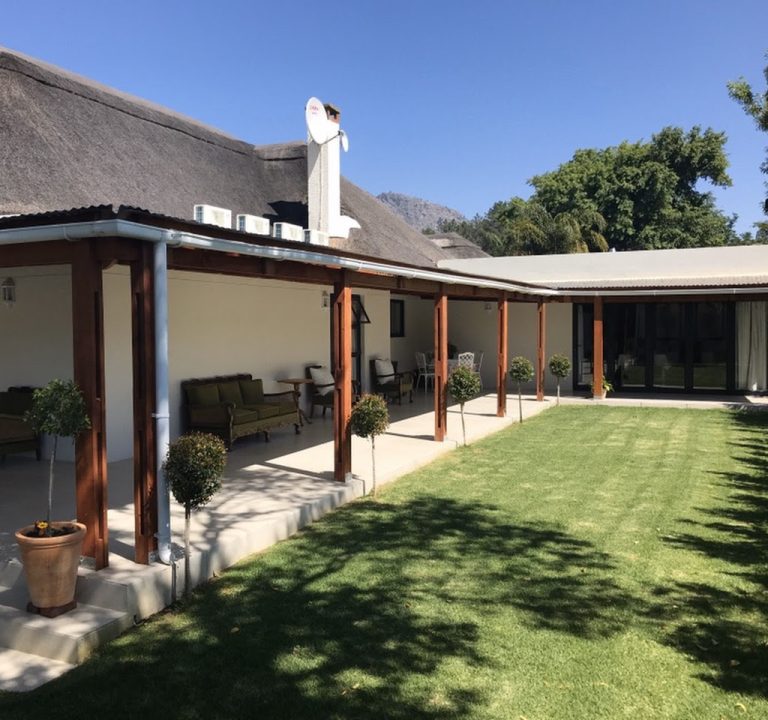
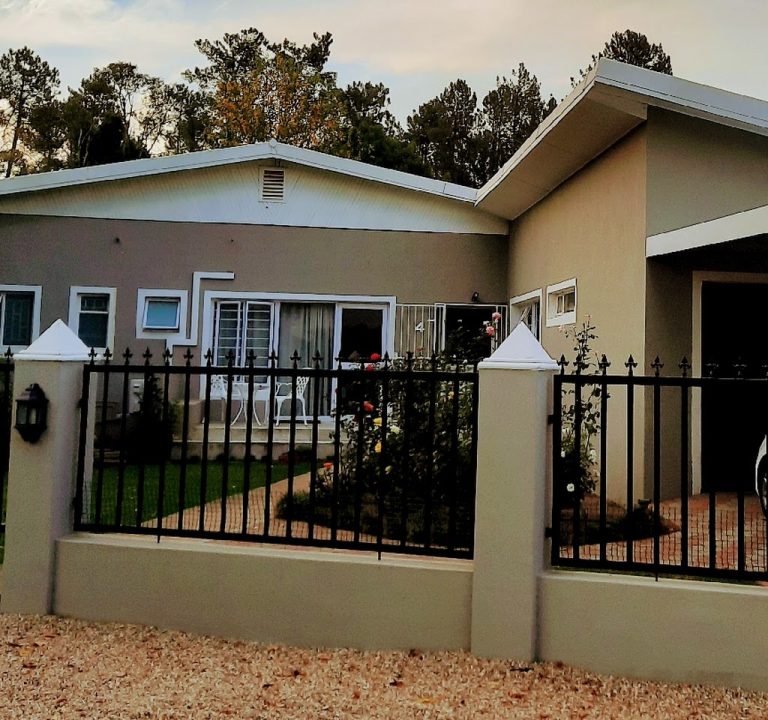
Accommodation in and around Ceres varies from cosy self‑catering cottages to small guesthouses and farm stays. A self‑catering option such as Ceres Cozy Cottage can be a convenient base for guests who prefer flexibility, especially for families or groups who want to cook and pace their days themselves. Look for properties that clearly spell out bedroom configurations, cooking facilities, heating or cooling options, and parking arrangements. In rural settings, reliable water supply and consistent electricity are worth confirming in advance, along with any garden or terrace spaces that may be on offer for outdoor meals or stargazing after dark.
Areas to consider when booking include: the town centre, where easy access to shops and eateries reduces the need for long trips; the foothills and lower slopes of surrounding mountains for dramatic views and quick access to hikes; and the valleys beyond, where fruit farms and scenic drives create a tranquil countryside atmosphere. If you’re visiting during harvest season, you may encounter seasonal farm activities—these experiences can be memorable, though it is wise to check in advance whether access is public or limited to guests of affiliated properties.
Essential amenities to look for include reliable heating or air‑conditioning, good insulation for cooler nights, and dependable hot water. Free or included parking is a practical convenience in areas where public transport is limited, and many visitors value properties that offer a small kitchenette or barbecue facilities for al fresco meals. A well‑equipped kitchen, comfortable living spaces, and clear information about local shops, markets, and hiking trailheads can dramatically improve your stay.
Transport in Ceres typically revolves around car travel. A car provides the most flexibility to explore the town and the surrounding valleys, where scenic drives and farm stalls are common. If you plan day trips to nearby towns or nature reserves, the drive times are usually short but can involve winding rural roads. When booking, consider the distance to main routes and the availability of parking at the accommodation. Some properties will offer guidance on reliable taxi services or shuttle options for evenings out, but most visitors rely on their own vehicle or a rental.
The best time to visit Ceres depends on the activities you favour. Spring and autumn bring milder temperatures and shoulder-season tranquillity, ideal for hiking and outdoor pursuits without the peak‑season crowds. Summer offers longer daylight hours, but may bring warmer temperatures in the valley; this is also when farm stalls and markets are most active. Winter brings cooler nights and crisp mornings, perfect for hikers who enjoy clear air and dramatic scenery after a rain. If you are chasing blossom or harvest colours, check seasonal events and weather patterns ahead of your travel to optimise your itinerary.
When planning an itinerary, balance outdoor adventures with relaxed days exploring the town’s rural character. Potential activities include scenic walks or short hikes in the surrounding landscapes, guided farm or market visits if offered by your accommodation, and scenic drives through valley orchards. For dining, seek out local eateries and farm stalls that focus on farm-to-table ingredients or rustic comfort food rather than expecting fine‑dining accolades. General recommendations are to sample regional produce, ask hosts about seasonal specials, and plan evenings around sunset views from viewpoints or terraces.
Practical tips to help you make the most of a stay in Ceres:
- Pack layers and a reliable jacket for cooler mornings and evenings, even in summer.
- Bring comfortable walking shoes for rural paths and easy mountain foothill trails.
- Confirm kitchen facilities and pantry basics if you plan to self‑cater; check for a shared outdoor eating area if applicable.
- Ask hosts for tips on nearby markets, fruit stalls, and short circular walks that suit your fitness level.
- Plan for a flexible schedule to accommodate daylight hours and seasonal weather changes.
Accessibility and connectivity vary by property. Some guest properties provide Wi‑Fi, while others offer more basic amenities to maximise tranquillity. Always confirm what is included in your rate and whether there are any additional charges for heating, water, or use of shared facilities. For a balanced stay, combine a comfortable, well‑located base with exploratory days in the surrounding valleys, and you’ll experience the county’s laid‑back rural charm alongside its dramatic landscapes.
For a flavour of what to expect, consider the general appeal of staying in a self‑catering option like Ceres Cozy Cottage as a flexible choice within easy reach of the town’s shops and a gateway to the countryside. Use reputable booking platforms to compare layouts, read recent guest reviews, and verify distance to key trailheads and markets. With thoughtful planning, a visit to Ceres can be both restorative and energising, offering a quintessential slice of Western Cape country life.