Accommodation and Attractions in Polokwane, Limpopo: A Traveller’s Guide
Polokwane, the capital of Limpopo, blends nature, culture and modern comforts to create a friendly base for explorers. When planning a stay, consider discovering the city’s range of lodges, guesthouses and hotels alongside nearby natural reserves and cultural experiences. The surrounding plains and pine plantations offer a different pace from the bustling city centre, while easy access to the Savannah and bushveld makes Polokwane a practical gateway to broader Limpopo adventures.
Areas to consider for your stay include the central city for convenience and nightlife, and the northern or southern suburbs where lodges and guesthouses often provide more peaceful settings with gardens and pools. The central district is well suited to travellers who want quick access to shops, markets and dining, while quieter pockets further afield are ideal for families or travellers seeking a calmer ambience. When choosing a base, think about transport links to nearby attractions and the ease of access to major routes that head out to natural areas and wildlife reserves.
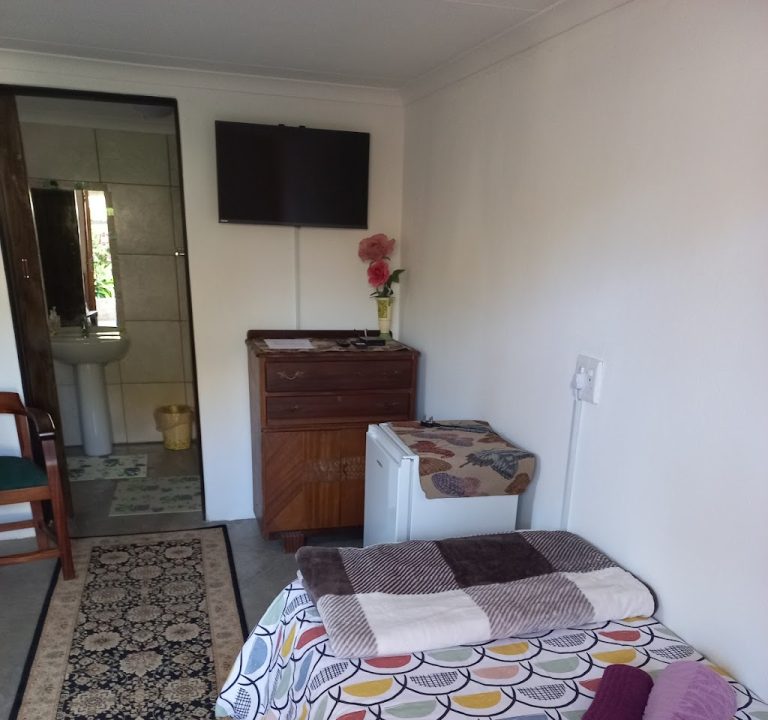
Typical accommodation types range from intimate BnBs and boutique guesthouses to mid-range hotels and larger lodges. Facilities you may encounter include free Wi‑Fi, on-site parking, air conditioning for warm Limpopo days, and swimming pools to cool down after a day of exploration. Some properties offer family rooms, self-catering options, or kitchenette facilities, which can be convenient for longer stays. If you’re travelling with children or pets, check about family friendly spaces and any pet policies in advance. For travellers planning conferences or longer visits, demand for business facilities and quiet workspaces can also guide your choice.
When booking, look for clear cancellation policies, transparent pricing, and detailed room descriptions with photographs. Read guest reviews to gauge consistency in service, cleanliness and security. Proximity to practical amenities—grocery stores, banks, laundries—and to the city centre or freeway access can save time during a busy itinerary. If you have particular needs, such as accessibility or dietary requirements, contact the property ahead of booking to confirm that they can accommodate your requests.
In terms of transport, Polokwane benefits from a regional airport, coach services and a network of tarred roads connecting to surrounding towns and game reserves. Within the city, taxis and ride-hailing services are common, and some lodges offer shuttle arrangements or guided tour options. If you plan to explore more widely, renting a car is often the most flexible choice, giving you the freedom to visit parks, markets, and eateries at your own pace. Always confirm parking availability if you’re driving, and ask about security measures at the hotel or lodge.
The best time to visit Polokwane depends on what you want from your trip. The city enjoys a warm climate with hot summers and mild winters. The dry season from late May to August can be pleasant for daytime activities and game viewing in nearby reserves, while the wet summer months bring lush landscapes and occasional rain showers. For outdoor markets, cultural events, and garden districts, consider schedule windows around local markets and city happenings. Pack light layers for day-to-evening transitions, a sun hat and sunscreen for sunny days, and comfortable walking shoes for exploring markets and nature trails.
Activities and attractions in and around Polokwane are varied and widely appealing. Within the city, you can expect welcoming markets, art and craft shops, and dining experiences that showcase Limpopo’s flavours. Nearby nature reserves and green spaces offer wildlife viewing, birdwatching, and scenic walks. Some visitors enjoy guided nature drives or hiking trails that teach about local flora and fauna, while others prefer a leisurely day visiting gardens and galleries. For those interested in culture, small museums and heritage sites provide insight into the region’s history and everyday life.
Food lovers will find a range of dining options from casual eateries to more refined restaurants, offering a mix of traditional South African flavours and contemporary dining. Many spots focus on fresh, seasonal ingredients and warm, hospitable service. If you’re staying at a lodge such as Vona Lodge, you may experience a cosy in-house dining atmosphere or be well placed to sample nearby venues that highlight regional produce.
Practical tips for a smooth stay in Polokwane:
- Book in advance during peak travel periods and school holidays to secure the best rooms and rates.
- Request detailed directions and check-in times, especially if you plan to arrive after dark or during festival periods.
- Ask about security and on-site parking, especially if you’ll be returning late from evenings out.
- Plan day trips with realistic driving times, factoring in potential traffic and weather conditions.
- Balance your itinerary with a mix of nature, culture and relaxed downtime at your accommodation.
Whether you’re looking for a cosy lodge for a quiet break or a comfortable base from which to explore Limpopo’s landscapes, Polokwane offers ambience, convenience and a warm South African welcome. By choosing the right area, understanding what to look for in a booking, and planning transport and activities ahead, you can tailor a stay that maximises comfort and discoveries. For a stay that combines restful lodging with easy access to the city and its nearby attractions, Polokwane is a practical and inviting choice for travellers seeking a varied and authentic Limpopo experience.