Polokwane: Accommodation and Attractions for a Well-Planned Stay
Polokwane, the capital of Limpopo, offers a warm blend of city life, nature and cultural encounters that suit a range of travellers. When planning a stay, consider the mix of neighbourhoods, from the convenience of the city centre to the quieter residential pockets that are close to parks and game reserves. A well-chosen base can balance easy access to restaurants and shops with a restful retreat after a day exploring the region.
Places to consider when booking include central options near the business district for easy access to services and nightlife, and quieter suburbs that provide a calmer atmosphere while remaining within reach of major roads. If you value a quick start to your day, look for a guest house or boutique hotel with dependable breakfast and secure parking. Families may prefer accommodations with larger rooms or suites, while solo travellers might prioritise staff recommendations and safety features. For longer stays, ask about kitchen facilities or on-site laundry to help keep daily routines simple.
Typical amenities to look for include secure on-site parking or good street parking, reliable Wi-Fi, air conditioning or fans for Limpopo’s warm months, a daily housekeeping service, and a responsive front desk. Some properties offer guest lounges, pool areas, and shaded outdoor spaces that are especially welcome in hot weather. If you are travelling with little ones or require mobility-friendly options, verify accessibility details and room layouts before booking. Where possible, read guest reviews to gauge consistency in service, cleanliness and the accuracy of property descriptions.
One recommended approach is to pair your accommodation choice with travel logistics. Polokwane is served by a regional network of roads and a small international airport, so staying close to main routes can make day trips smoother. Renting a car is common for exploring Limpopo’s wider highlights, from nearby nature reserves to markets and eateries. If you prefer not to drive, check whether your lodging offers organised transfers or are near reputable taxi services. Walking and cycling are feasible within the city limits, but be mindful of heat and traffic at certain times of day.
Best time to visit Polokwane generally aligns with the dry season, when wildlife spotting in surrounding reserves can be more straightforward and outdoor activities are comfortable. The city also hosts markets and cultural events at various times of the year, which can add a local flavour to your itinerary. Pack layers for cooler evenings during winter and lighter clothing for summer months, along with sun protection for daytime exploration.
When planning day trips, a stay provision that offers easy access to notable experiences is advantageous. The region around Polokwane offers game reserves and nature areas where visitors can observe wildlife in natural settings, often from guided tours or self-drive routes. Consider including a morning or late-afternoon excursion, which tend to be cooler and offer excellent lighting for wildlife viewing. For those with an interest in heritage, look for experiences that explore local histories and crafts in nearby towns and markets, where you can discover traditional crafts, cuisine and music in relaxed settings.
Dining options in and around Polokwane vary from informal eateries to more contemporary restaurants. You’ll typically find places that focus on regional flavours, grilled dishes and fresh produce. For a balanced plan, pair restaurant visits with lighter lunches in the middle of the day and a relaxed dinner in the evenings. When researching where to eat, consider proximity to your accommodation and whether venues offer outdoor seating, which can be pleasant in warm weather. Always check opening hours and whether reservations are recommended, especially during weekends or peak tourist periods.
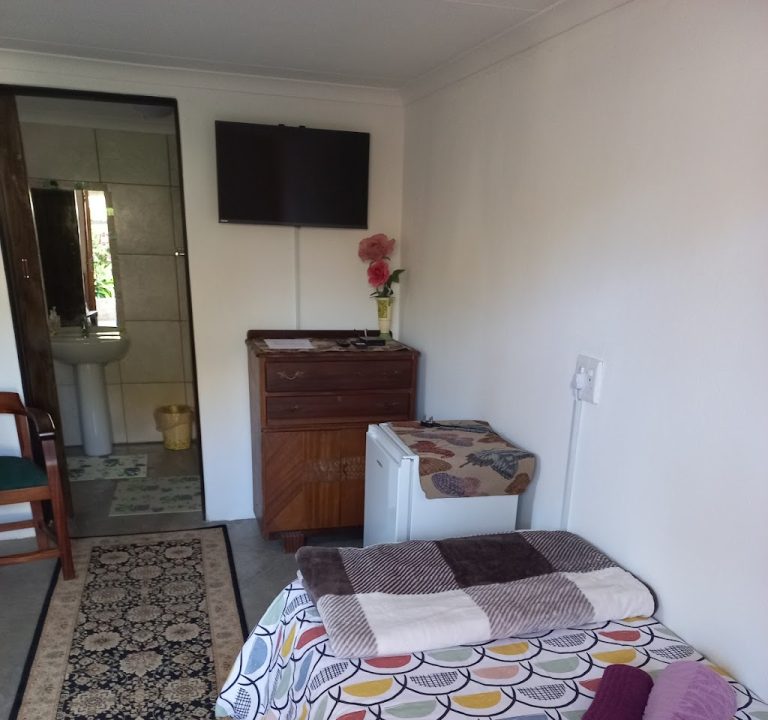
Accommodation providers in Polokwane range from guest houses and small boutique hotels to lodges with pool facilities and garden settings. A guest house such as Founa Lodge and Guest House offers a local hospitality experience that can be particularly enjoyable for travellers who value personalised service and a home-from-home atmosphere. Their website provides details about rooms, amenities and location, and serves as a useful starting point when planning where to stay: Founa Lodge and Guest House.
Practical tips to help you plan a smooth stay:
- Book accommodation with a clear cancellation policy and secure payment options.
- Request directions from your arrival point and confirm access to parking or reliable Tuk-Tuk or taxi services.
- Check room type, bed configuration and any accessibility needs in advance.
- Ask about on-site facilities such as a swimming pool, shaded outdoor areas, or communal kitchen access if you plan to self-cater.
- Confirm the proximity of your lodging to major routes, shopping centres, and your planned day trips.
In summary, Polokwane provides a convenient launchpad for exploring Limpopo’s natural beauty and cultural offerings. By selecting accommodation with trustworthy service, practical amenities and a location that suits your itinerary, you can enjoy a well-paced stay with easy access to the city’s dining, markets and nearby reserves. Whether you prefer a cosy guest house, a modern hotel or a lodge with garden views, there are options to fit a range of budgets and travel styles, all within reach of the wider attractions that define this part of South Africa.