Cape Town: A Guide to Accommodation, Attractions and Local Experiences
Cape Town sits on the edge of the continent, where mountains meet the sea and diverse neighbourhoods offer their own flavour. Whether you are drawn by iconic scenery, world-class cuisine, or a laid‑back coastal vibe, planning a stay that balances comfort, access and atmosphere is key. From boutique guesthouses tucked into leafy streets to stylish hotels perched along the Atlantic Seaboard, the city caters for a wide range of tastes and budgets.
When choosing where to stay, consider what you want to be close to. The City Bowl and central Foreshore areas provide easy access to museums, historic streets, markets and a thriving dining scene. The Atlantic Seaboard, including Camps Bay and Sea Point, offers coastal views, long beaches and a more resort‑like pace. Constantia and the Southern Suburbs provide tranquillity, gardens and easy routes to wine estates. If you plan long day trips to the Cape Peninsula, a stay near the V&A Waterfront or in Green Point can offer a good balance of transport links and leisure options.
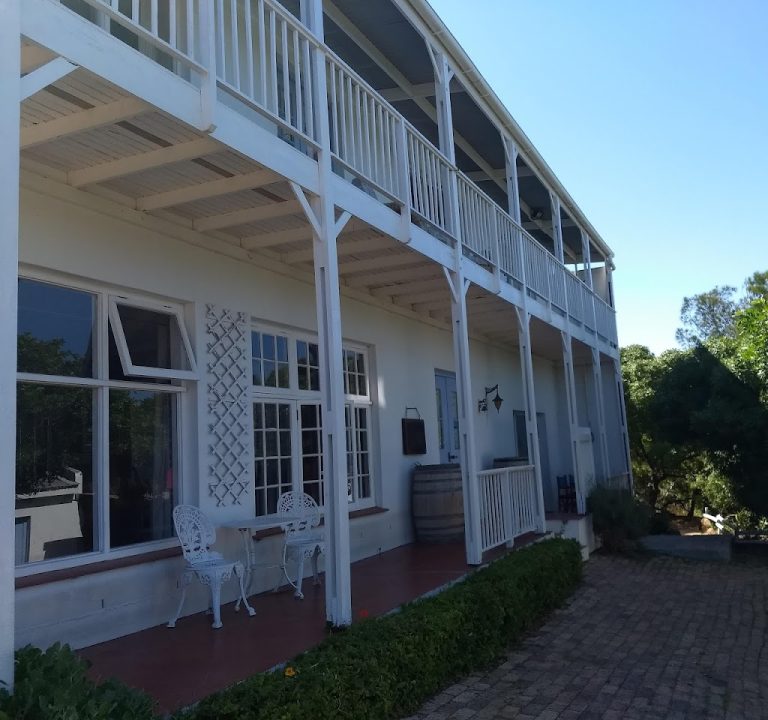
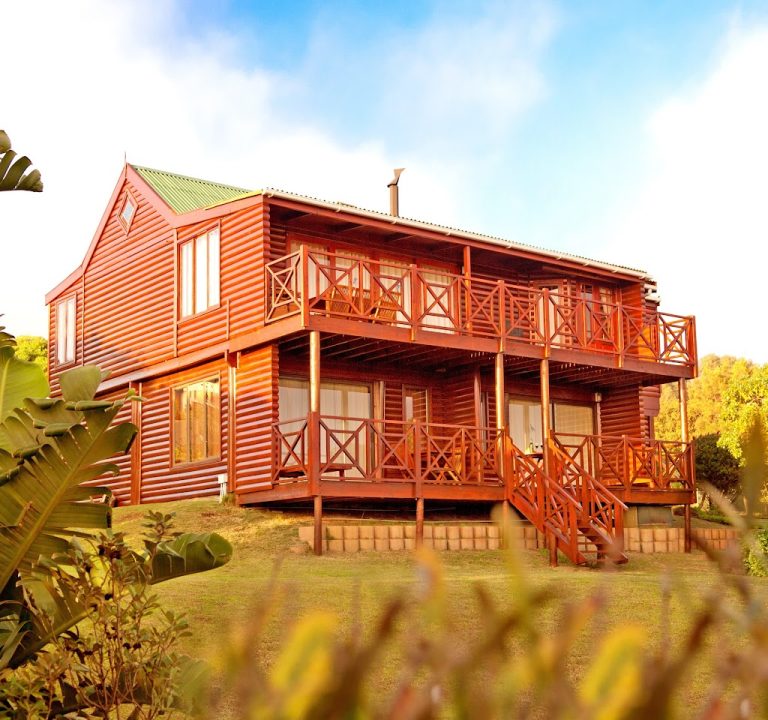
Typical accommodation types range from intimate B&Bs and guesthouses to contemporary city hotels, family‑run lodges and serviced apartments. In many places you will find thoughtful touches such as hearty breakfast offerings, outdoor spaces, reliable wifi, secure parking or easy access to public transport. For travellers who value privacy and a homely feel, a well‑appointed guesthouse or boutique hotel can provide personalised service without the formality of a larger property. If you anticipate frequent shopping or longer meals out, a residence with kitchen facilities may help you manage mornings and evenings more smoothly.
Booking tips that can save time and enhance comfort include filtering for noise levels, light control, and availability of parking if you intend to hire a car. Look for properties with flexible cancellation policies and clear information about access after hours. Check whether the listing specifies proximity to train or bus routes, as Cape Town’s public transport can be a practical way to move between key sights and beaches, especially during peak visitor periods.
Transport and getting around: Cape Town has a compact city core with a good network of MyCiTi buses and an expanding rail system. A driver’s mindset is useful for day trips to the Cape Peninsula, where scenic routes and narrow coastal roads reward patient planning. If you favour stress‑free travel, choose a base near main transport corridors or within walkable distance of cafés and groceries. Ride‑hailing services are common in the city and around the popular sights, offering a convenient alternative to driving in peak times.
Best time to visit: Cape Town’s seasons are opposite those of many northern destinations. From late spring to autumn (September to April) you can expect longer days, good light for photography and a reliable climate for outdoor activities. Summer is lively and vibrant, with beach culture at its peak. Winter (May to August) brings cooler weather, occasional rain and fewer crowds, which can be appealing for visitors seeking a quieter pace and lower prices. If wine and food are at the top of your list, align your stay with harvest seasons and local culinary events but be prepared for occasional changes in opening times outside peak periods.
What to look for when booking:
- Clear access to the areas you want to explore and easy reach to dining options.
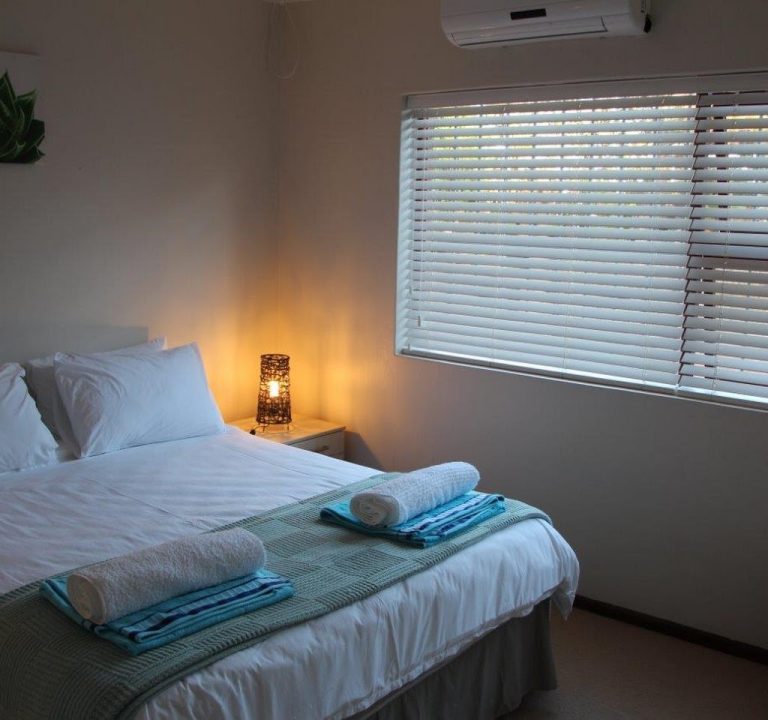
- Comfortable beds, good ventilation or heating, and strong bathroom defaults (water pressure, hot water).
- Reliable wifi, secure parking or convenient public transport access.
- Thoughtful amenities such as shaded outdoor spaces, laundry facilities, and a practical kitchenette if staying longer.
- Transparent cancellation terms and responsive host or staff communication.
Beyond a place to sleep, Cape Town offers a wealth of experiences. Natural landmarks such as a cable‑car ascent of Table Mountain, scenic drives along the Atlantic coast, and hikes into neighbouring valleys provide dynamic days out. The Cape Peninsula coastline offers viewpoints, marine life opportunities and the chance to pause at small towns along the way. Within the city, cultural precincts, markets and galleries showcase South Africa’s history and creativity. For a relaxed evening, many visitors choose a stroll along the harbour or a beachfront restaurant where fresh seafood and regional produce can be sampled in a convivial atmosphere. The restaurant scene ranges from casual bistros to fine dining, with menus inspired by coastal flavours and international influences.
Practical tips for a comfortable stay include planning your daily routes to match daylight hours, especially when venturing to the more scenic outskirts. Pack smart for variable weather—layers are invaluable, as coastal conditions can shift quickly. If you are visiting during peak season, booking popular activities and dining reservations in advance is advisable. It is also wise to check the latest travel and safety guidance for the Western Cape and to carry a copy of essential documents as a precaution.
For inspiration on where to stay and what to see, official tourism resources offer broad overviews, current event calendars and practical visitor information. Websites such as official regional tourism portals can help you tailor your itinerary to your interests, whether you are drawn to natural beauty, historical sites, or gastronomic discoveries. A well‑planned stay in Cape Town can blend comfortable accommodation with memorable experiences, creating a balanced and enjoyable South African break.