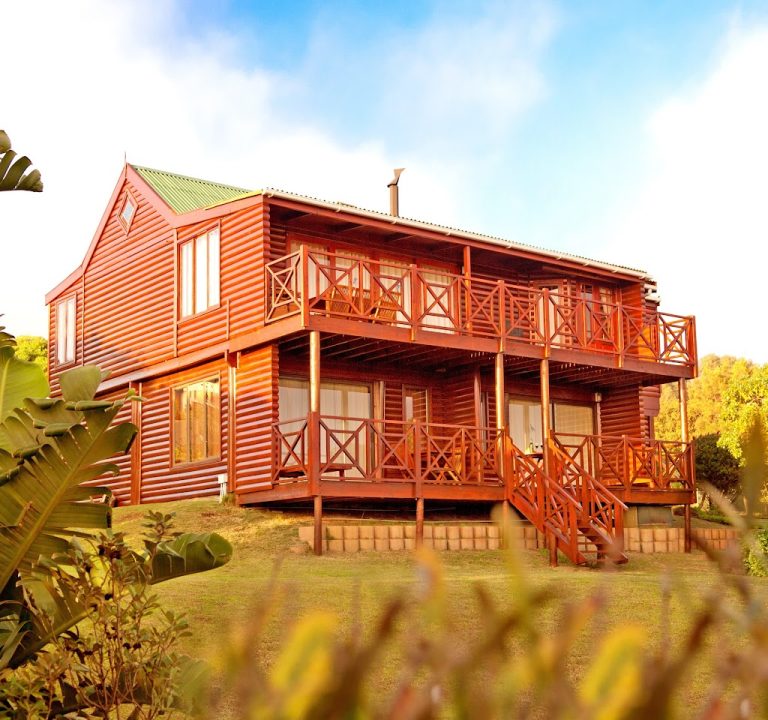
Cape Town: Accommodation, Attractions and Planning Your Visit
Set between the Atlantic and the Twelve Apostles, Cape Town offers a diverse mix of lodgings, from coastal guesthouses to contemporary apartments with harbour or mountain views. When planning a stay, centre your decisions on your preferred neighbourhood, access to transport, and the kind of experience you seek—from scenic days on the coast to cultural explorations in historic districts. A well‑considered itinerary can make the most of the city’s contrasts: sea, sky, and mountain, all within easy reach of each other.
Where you stay can shape your experience. The Atlantic Seaboard, including areas along the coast, is ideal for sea breezes, long walks, and stylish, modern comforts. The city bowl and De Waterkant offer compact stays with easy access to museums, galleries and a bustling nightlife scene. Constantia and the surrounding wine routes appeal to travellers seeking leafy suburbs, wine estates and quieter mornings. For a vibrant, authentic atmosphere close to markets and eateries, the suburb near the main city centre or the historic district provides easy walkability and a mix of boutique and larger lodgings. When selecting a place, consider proximity to a MyCiTi bus stop, Uber availability, or a short scenic drive to the main sights, and think about whether you prefer a bright apartment, a cosy guesthouse, or a boutique hotel with an on‑site restaurant or spa.
Typical amenities you may encounter include en‑suite bathrooms, reliable wi‑fi, secure parking, and generous communal spaces. Many lodgings offer breakfast in the mornings, which can save time before a busy day of sightseeing. For families or groups, self‑catering options with kitchen facilities can be particularly convenient. If you plan to wake early for sunrise views from Table Mountain or a coastal stroll, check that the accommodation is either well located for those early starts or can arrange a wake‑up call or early breakfast. A thoughtful host or property manager can also provide personalised tips on current safety considerations, best routes for walking, and family‑friendly activities.
Transport is a key planning factor. The city and its surrounds are navigable by rental car for flexibility, but many travellers find that a base near the historic heart or waterfront with good public transport access works well. The MyCiTi bus network covers many central routes and popular tourist sites, while rideshare apps offer convenient point‑to‑point travel, especially in the evenings. If you are visiting for outdoor adventures, consider how you will reach the Cape Peninsula’s twists and turns, or hire a driver for a day trip to maximise time at viewpoints, beaches, and nature reserves. Remember that coastal weather can be changeable, so pack layers, sun protection, and a light rain jacket, even in summer.
The best time to visit Cape Town depends on your priorities. Summer (December to February) brings long days, warm seas and a lively outdoor scene, though it is also the peak tourist period. Autumn (March to May) offers milder weather and fewer crowds, a good time for walking in the gardens and exploring wine country. Winter (June to August) can be cooler and wetter, yet the city’s museums, galleries and eateries provide comfortable shelter and cultural enrichment. Spring (September to November) delivers fresh colours in nature and a pleasant climate for outdoor activities. Regardless of when you travel, plan for varying conditions, and make some flexible days to adjust to weather or mood.
Activities and experiences span natural beauty, culture and cuisine. Iconic natural highlights include viewpoints over the sea and mountains, coastal walks, and accessible trails to enjoy panoramic vistas. Cultural attractions typically cover historic districts, modern galleries, and dedicated spaces that interpret the city’s past and present. For dining, Cape Town offers a spectrum from casual eateries to more refined establishments that emphasise seasonal produce and regional flavours. It is wise to book popular time slots in advance, especially for weekend dinners or sunset venues, and to allow time for relaxed meals that reflect the city’s emphasis on hospitality and shared experiences. If you are seeking guided experiences, consider day trips that include scenic drives along the coast, stops at notable viewpoints, and visits to markets where local crafts and foods are showcased. Always check accessibility, opening hours, and visitor guidelines before heading out.
Practical tips to bear in mind:
- Choose accommodation with clear information on access and safety, particularly if you plan to walk at night or travel with family.
- Confirm check‑in and check‑out times, and ask hosts about nearby groceries, laundries, and childcare options if needed.
- Pack sun protection, a hat, and layers for rapidly changing coastal weather.
- Plan day trips with travel time in mind, particularly if you want to visit the Cape Peninsula or winelands on the same day.
- Balance your itinerary with a mix of outdoor time, culture, and downtime to avoid burnout.
In sum, Cape Town rewards patient planning and a flexible approach. By selecting the right neighbourhood, understanding transport options, and pacing your days to align with the city’s rhythm, you can enjoy memorable lodging and a rich tapestry of attractions, dining and experiences that showcase the best of the Western Cape.