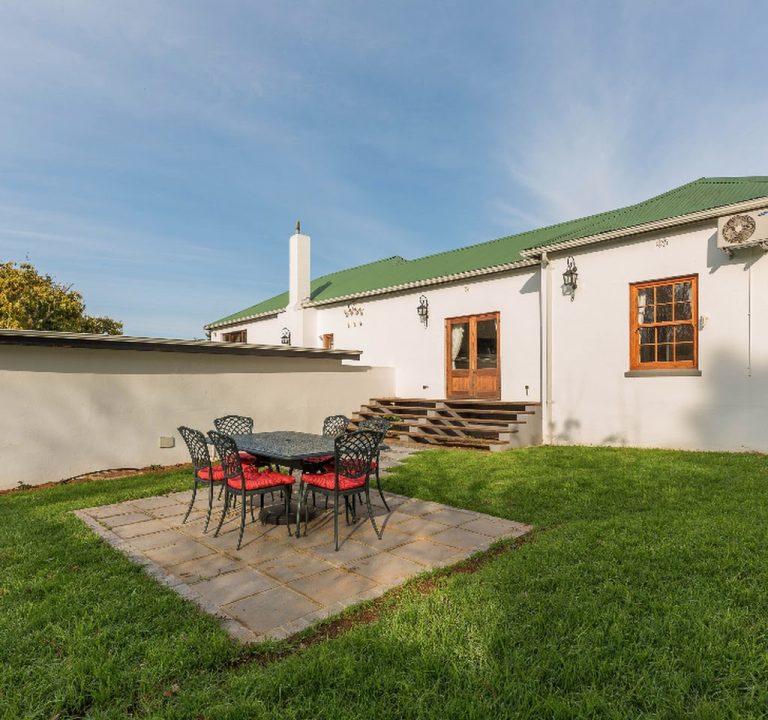
Accommodation and Experiences in Cape Town, Western Cape
Cape Town offers a diverse range of places to stay, from characterful bed & breakfast houses to contemporary boutique hotels and family-run guesthouses. For visitors seeking a personalised experience, a B&B such as Villa Tuscany can provide a central base with friendly hospitality, comfortable rooms and a hearty breakfast to start each day of exploring the city and surrounds. When planning a stay, consider the area that best suits your interests, budget and transport preferences, and curate an itinerary that balances city sights with coastal scenery and wine country just a short drive away.
Key areas to consider include the historic City Bowl and the vibrant V&A Waterfront, which offer easy access to museums, restaurants and harbour views. The Atlantic Seaboard, including Camps Bay and Clifton, is ideal for beach lovers and sunset strolls, while Green Point offers a convenient hub for exploring the city’s stadiums, parks and coastal walks. For wine lovers, Constantia and the nearby Cape Winelands provide tranquil settings with farm-stay charm and easy day trips. If you prefer a colourful, cultural atmosphere, Bo-Kaap and the nearby city streets offer a lively neighbourhood experience with easy access to markets and cafés.
Typical amenities to look for when booking include a comfortable private or en-suite bedroom, reliable wifi, secure parking or proximity to public transport, and a generous or sociable breakfast service. Many Cape Town B&Bs emphasize a warm, personalised welcome, local knowledge, and options for packing light, doing laundry, or arranging guided outings. If you value kitchen access or self-catering options, seek homes that offer guest lounges, communal kitchens, or apartment-style layouts in addition to traditional rooms. Environmentally conscious options and those with sustainable practices are increasingly common, so you may wish to ask about recycling, energy use and water conservation in advance.
Transport in Cape Town is well supported by the city’s MyCiTi bus network, ride-hailing apps, and rental cars. If you aim to explore beyond the city, a car can be very convenient for flexible day trips to the Cape Peninsula or the Winelands. Within the city, many areas are walkable or served by convenient public transit, making it feasible to stay in a compact neighbourhood with easy access to cafes, markets and short taxi rides to major attractions. When booking accommodation, verify proximity to the stops or lanes you plan to use, and check whether the property offers shuttle services or luggage storage for day trips.
Best time to visit Cape Town spans from late spring to early autumn in the Southern Hemisphere, roughly September to April. Summer (December to February) is popular for beaches and outdoor activities, but it can be busy and pricier. Shoulder seasons in spring and autumn often offer milder weather and fewer crowds, with excellent photo opportunities on the surrounding mountains and coast. Winter (June to August) brings cooler, wetter days but is ideal for exploring museums, wine farms on rainy afternoons, and enjoying lower accommodation rates. Pack layers, sun protection for the hills and waterfront, and sensible footwear for uneven pavements and hill climbs.
Practical planning tips to help you make the most of your stay:
- Set a baseline budget and check what is included in the rate (breakfast, parking, Wi‑Fi, housekeeping) to compare value between properties.
- Consider a mix of locations for different days—a city-centre base for museums and markets, with a quieter coastal or suburban stay for a restful night’s sleep.
- Ask about parking arrangements if you plan to hire a car, and confirm access times for self-check-in or late arrivals.
- Prioritise safety features such as secure locks, well-lit entrances, and neighbourhood suitability for your comfort level.
- Request local recommendations for authentic eateries, markets and day trips—Cape Town’s a place where guided experiences can greatly enhance your understanding of the area.
- Plan for a day trip to the Cape Peninsula or the Winelands if your schedule allows, allowing a relaxed pace and room for spontaneous stops.
Alongside accommodation, Cape Town offers a broad spectrum of experiences. Generally, you’ll find vast coastal walks with iconic views, accessible nature trails in Table Mountain National Park, and beaches that suit families, surfers, and sunset photographers alike. Cultural interests range from historic city tours and vibrant markets to museum collections and galleries, while food lovers can enjoy fresh seafood, bakeries, and many eateries offering diverse, globally-inspired menus. For a flavour of the local scene, consider a day exploring a farmers’ market, a coastal promenade, or a guided tour that highlights the city’s maritime heritage and scenic viewpoints.
When choosing places to stay, consider how the rhythm of your day will flow with your planned activities. Villa Tuscany, as a representative Bed & Breakfast option, can provide a comfortable retreat with a convenient city location, making it possible to wake to a hearty breakfast before venturing out to explore Table Mountain, the harbour precinct, or a nearby wine farm. A well-chosen base will also help you make the most of Cape Town’s hospitality-forward culture—friendly hosts, thoughtful touches, and practical local knowledge can be as memorable as the sights themselves. For more information on travel planning and destination inspiration, consult official tourism sites and reputable travel resources to tailor an itinerary that fits your interests and pace.