Planning a Cape Town stay: accommodation, experiences and practical tips
Cape Town in the Western Cape offers a diverse mix of neighbourhoods, from iconic coastline to leafy suburbs and vibrant urban districts. For a self-catering stay, options range from compact apartments with sea views to larger suites set in historic streets or modern complexes. When choosing a base, consider what you want to access most easily: the beaches along the Atlantic Seaboard, the dining and nightlife of the City Bowl, or the green hills and wine routes of Constantia and surrounding areas. A well‑planned stay can blend comfort, convenience and immersion in one of South Africa’s most varied destinations.
Areas to consider
The Atlantic Seaboard, including Camps Bay and Clifton, is prized for easy access to beaches, dramatic sunsets and a cosmopolitan feel. The City Centre and the V&A Waterfront offer convenient access to museums, markets and a broad choice of eateries, alongside good transport links. The City Bowl draws visitors who want a central hub close to cafes, galleries and hiking trails. Constantia and the Southern Suburbs provide a more tranquil, leafy backdrop with proximity to world‑class wineries and excellent hiking routes. For those who prefer a design-forward, foodie‑friendly vibe, neighbourhoods such as Woodstock and Observatory have a strong sense of place with characterful self‑catering options close to hip cafés and local markets.
What to look for when booking self-catering accommodation
- Kitchen facilities: a well‑equipped kitchen or kitchenette, with enough utensils, a reliable fridge, stove, oven or microwave, and a means to prepare meals for a group.
- Living space and privacy: separate bedrooms (if travelling with others), a comfortable communal living area, and clear access to outdoor spaces where feasible.
- Amenities: reliable Wi‑Fi, laundry facilities (in‑unit or on‑site), air conditioning or fans for the coastal climate, and secure parking if you plan to hire a car.
- Safety and access: good security measures, clean and well‑maintained common areas, and convenient elevator access if needed.
- Location and transport links: proximity to tram or bus routes, a short ride to beaches or attractions, and easy access to major roads for day trips to the Cape Winelands or Cape Point.
- Owner/local host engagement: a host who can provide practical tips about routes, markets, and local eateries can be especially helpful in a new city.
Typical amenities you may encounter include dedicated parking, high‑speed Wi‑Fi, breakfast provisions in some listings, and flexible check‑in procedures. Some self‑catering options may offer a curated selection of artisanal or pantry staples, while others provide a fully equipped kitchen with modern appliances. When reviewing reviews, pay attention to notes about noise levels, cleaning schedules, and the reliability of house rules—especially if you are travelling with children or pets.
Transport and how to get around
Cape Town is best explored with a mix of walking, public transport, and occasional rideshare services. The MyCiTi bus network covers many major routes, including central areas and coastal zones, while certain suburbs are more car‑friendly. If you plan to visit remote natural spots or the winelands, a hire car provides flexibility. For day trips, options range from guided tours to self‑drive itineraries that loop along Chapman’s Peak Drive, the Cape Peninsula, and the Constantia Valley. Consider listing your plan with your host, who can suggest safe parking spots and efficient routes.
Best time to visit
Cape Town experiences a Mediterranean climate with mild, wet winters and warm, dry summers. Peak tourist season is typically in the British summer holidays and around major events. Spring (September to November) brings blossoming gardens and pleasant outdoor conditions, while autumn (March to May) offers cooler days and vibrant vineyard harvests. If you enjoy outdoor activities such as hiking, surfing or mountain trails, plan for mornings to beat the winds and heat of late afternoons.
Practical tips for travellers
- Book early for popular neighbourhoods during peak season, and read listings for details on check‑in times and self‑catering readiness.
- Pack layers: the coastal climate can shift quickly, with cool mornings and evenings even in warmer months.
- Respect local customs and safety guidelines, particularly if you are staying in residential areas; ask hosts for recommended precautions and any quiet‑hours rules.
- Plan dining and experiences ahead of time where possible, but leave room for spontaneity at markets, casual eateries, and harbour‑side venues.
Attractions and experiences in general terms
Cape Town is a destination of natural beauty and cultural richness. Visitors commonly enjoy views from iconic viewpoints, coastal walks, and easy access to nature reserves. The city provides a broad spectrum of experiences, from museum visits and harbour tours to vibrant food and craft markets. For those seeking a scenic outing, a drive or a guided excursion along the surrounding peninsula offers coastal scenery, wildlife viewing along the coast, and opportunities to explore Cape Point or the Cape Winelands region. In parallel, a day’s exploration of local eateries and casual eateries can showcase the city’s diverse culinary landscape, with markets and cafes serving a blend of traditional and modern South African fare.
La Felicita and other self‑catering options
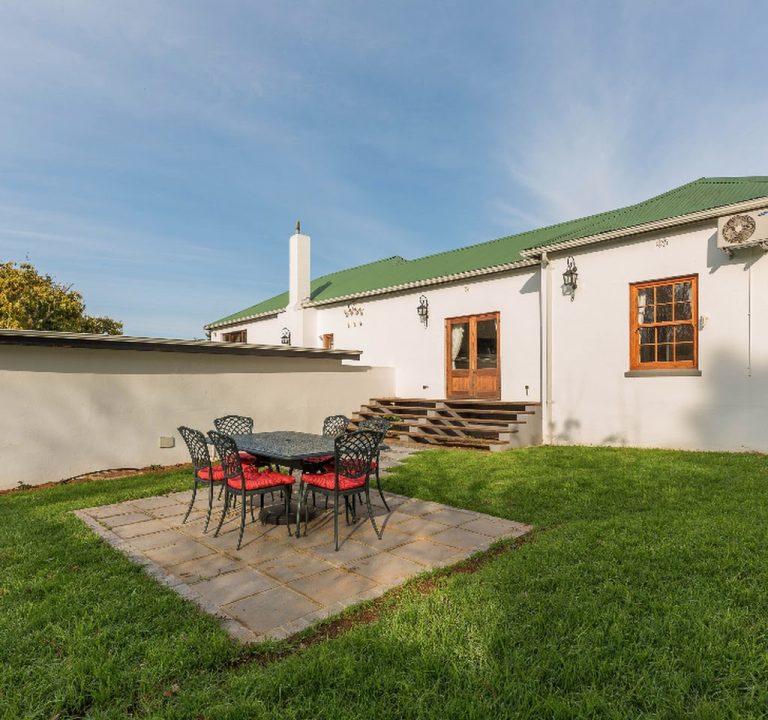
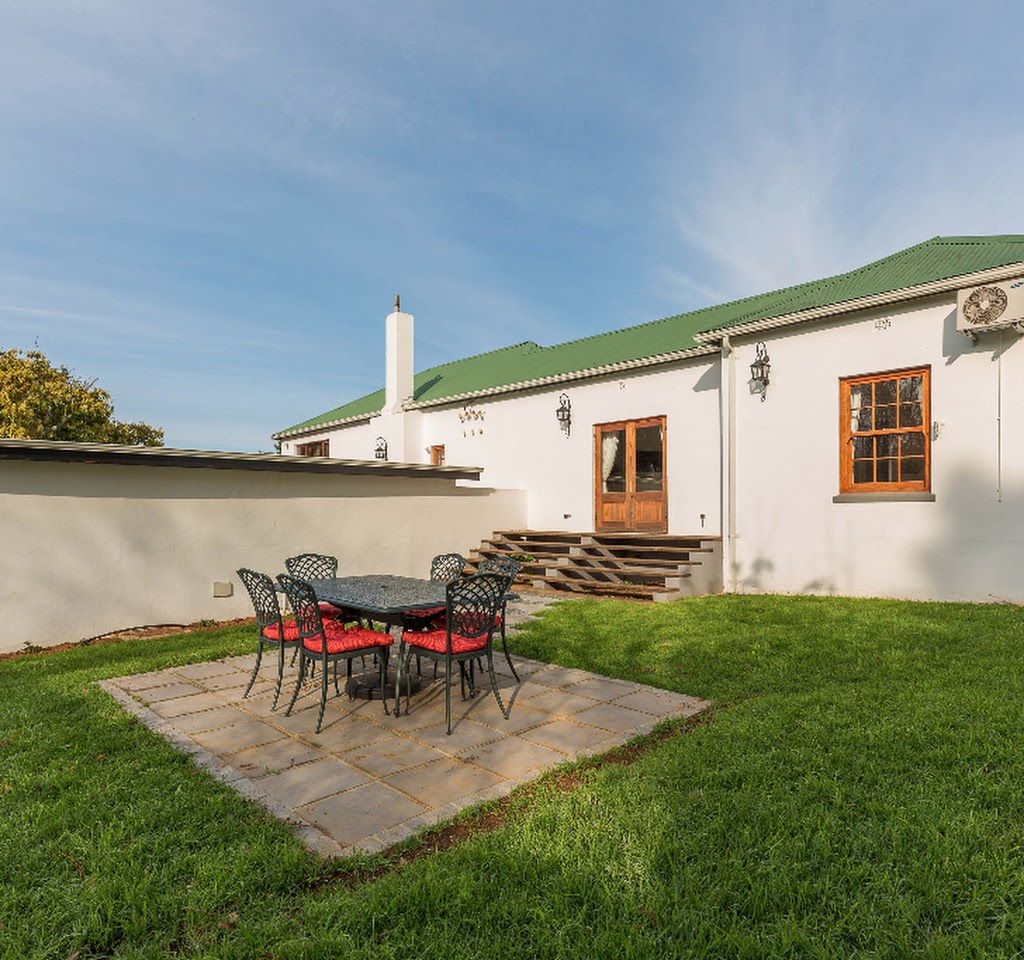
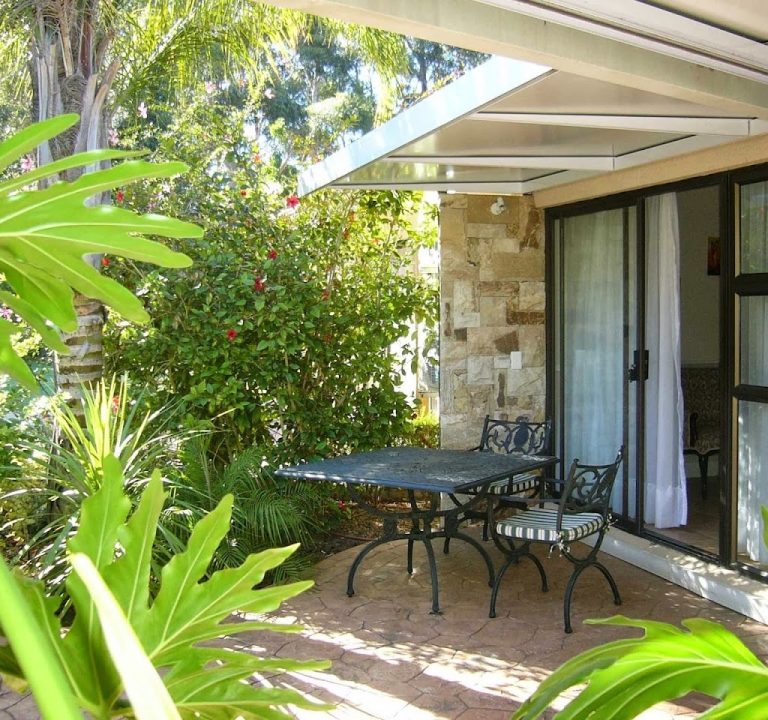
La Felicita, a self‑catering accommodation option, provides a base that combines privacy with convenient access to central sights and coastal strolls. Listings in this category often emphasise well‑equipped kitchens, comfortable living spaces and practical layouts for groups or families. For those seeking a local, self‑catering approach to Cape Town life, such options can be a sensible choice, pairing flexibility with opportunities to plan meals, short trips, and rest periods on a schedule that suits your pace. Further information can be found on the property’s website: http://lfsuites.co.za/.
Sample itinerary idea
Start with a morning coastal stroll and a café breakfast in a neighbourhood with easy streets and scenic views. Spend late morning exploring a market or gallery, followed by lunch at a casual bistro. In the afternoon, plan a short scenic drive or hike, and finish with a sunset viewpoint and a relaxed dinner near your accommodation. This approach balances outdoor time, culinary discovery, and downtime in a comfortable, self‑catering setting.