Accommodation and Things to Do in Cape Town, Western Cape
Cape Town is a city of striking contrasts, where mountain and sea meet vibrant neighbourhoods, world‑class cuisine and a wealth of experiences that can suit every traveller. When planning a stay, consider both where you want to base yourself and what you want to see, as the city’s hills and shorelines can influence your daily routines and travel times. A well‑chosen guest house or boutique hotel can feel like a home away from home, while giving easy access to the best viewpoints, beaches and dining corridors.
For a comfortable, authentic stay, Cape Town offers a range of accommodation styles. In the leafy suburbs and near the city centre, you’ll find guest houses and boutique hotels with personalised service, compact communal spaces, and practical amenities such as free Wi‑Fi, early breakfast options, and flexible check‑in arrangements. Near the Atlantic seaboard, you may encounter contemporary self‑catering apartments and stylish guest suites with sea views. In the vibrant suburbs that hum with bars, cafes and markets, there are family‑run guest houses and small lodges that emphasise local hospitality and easy access to public transport or hire cars.
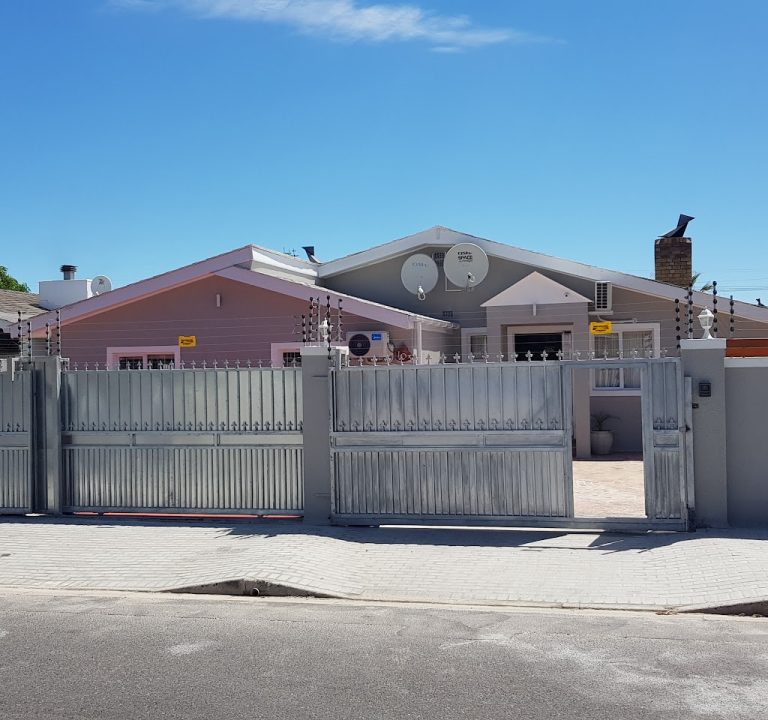
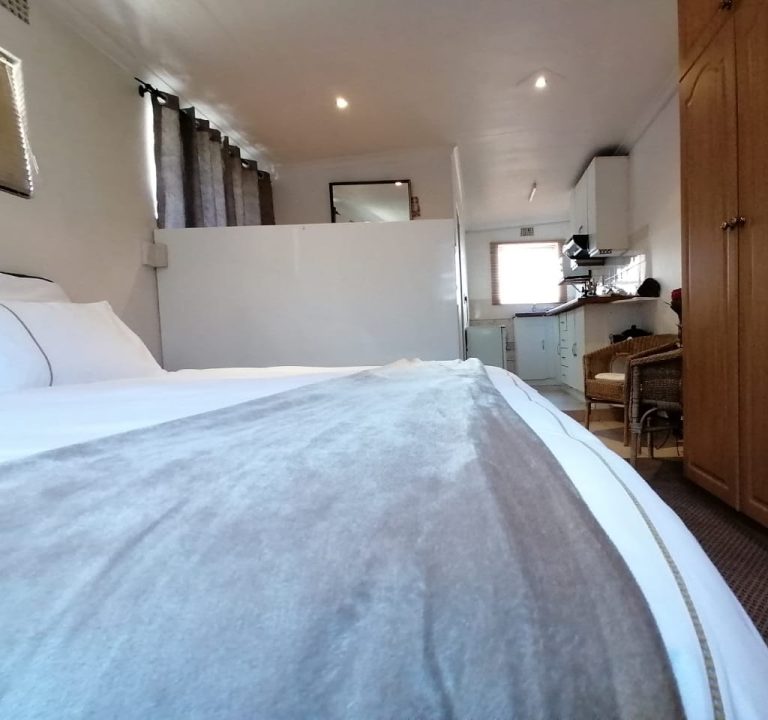
Villa Sunar, for example, is a guest house that offers a welcoming base from which to explore. When selecting similar properties, look for rooms that match your needs—private bathrooms, reliable heating or cooling, and the balance between quiet rooms and social spaces. A typical setup might include a light breakfast, daily housekeeping, and a small communal lounge or courtyard where you can relax after a day of touring the city.
Areas to consider include the city bowl for proximity to historic sites, museums and a lively dining scene; the Atlantic Seaboard for beaches, waterfront promenades and ocean views; and the Constantia or Kirstenbosch regions for green hills, wine estates and easy access to nature trails. A stay in the southern suburbs can provide a peaceful retreat while still keeping you within easy reach of major attractions. When budgeting, factor in travel time between areas, which can be influenced by traffic and the hilly terrain—sometimes a short journey can save you a lot of time and stress.
What to look for when you book: a clear description of the room and facilities, transparent cancellation terms, and added values such as parking, breakfast options, and luggage storage. Check whether the property has security features, especially if you are travelling with valuables. Read recent guest reviews to gauge consistency in service and cleanliness. If you are visiting during peak seasons, consider booking well in advance to secure a room with the right view or configuration for your group.
Typical amenities worth seeking include reliable air conditioning or heating, complimentary Wi‑Fi, ensuite bathrooms with good water pressure, and a secure environment. A well‑equipped kitchen or cafe area can be handy if you plan to prepare meals or snacks. Some properties offer assistance with tickets or recommendations for local tours, which can be a big help in planning your days. If you have mobility considerations, confirm the presence of accessible entrances and lifts where needed.
Transport in Cape Town is generally straightforward, though planning ahead saves time. The MyCiTi bus network covers key routes around the city and to some coastal areas, while the rail line connects central Cape Town with outer suburbs. Taxis and ride‑hailing services are widely available, and many guest houses offer parking or shuttle arrangements. If you plan to visit Cape Point or the Cape Winelands, a car might be the most convenient option, though guided day trips can also provide a structured way to see multiple sights without self‑driving.
Best time to visit Cape Town varies by what you want to do. Summers (roughly November to February) are generally warm and lively, with long days suitable for beach time and outdoor activities. Winters (May to August) are cooler and wetter, but periods of sunshine still appear, and the city’s indoor attractions, markets, and dining scenes are thriving year‑round. Spring and autumn are pleasant shoulder seasons with milder weather and fewer crowds, often making it easier to secure good accommodation rates and enjoy a more relaxed pace.
Practical tips to make the most of your stay:
- Book accommodation with easy access to reliable transport links to maximise your daily plans.
- Check for parking arrangements if you plan to hire a car, as street parking can be limited and regulated.
- Wear sunscreen and bring a light layer for cooler evenings and sea breezes near the coast.
- Plan sunrise or sunset excursions to iconic viewpoints when weather and visibility allow.
- Allow a buffer day for weather‑dependent activities, such as coastal hikes or cable car views in Table Mountain’s vicinity.
When it comes to dining and experiences, Cape Town offers a wealth of options without needing to venture far from your accommodation. Expect casual cafés and bistros serving fresh seafood, colourful markets with artisanal produce, and refined restaurants that emphasise seasonal ingredients. For a broad sense of the city’s culinary scene, choose areas with a concentration of eateries and a lively precinct atmosphere, then mix in a few quieter, scenic spots for balance. For a well‑rounded visit, pair your stay with experiences such as accessible coastal walks, wine‑land excursions, and guided tours that provide context to the city’s history and natural beauty. With careful planning and a flexible itinerary, a stay in Cape Town can be a richly rewarding blend of relaxed comfort, scenic exploration and vibrant urban life.