Cape Town: Accommodation, attractions, and planning your stay
Cape Town is a city of remarkable contrasts, where ocean, mountains and a vibrant urban scene come together to create a unique travel experience. When choosing where to stay, consider what kind of base will suit your itinerary and pace. A guesthouse or boutique hotel in the City Bowl or V&A Waterfront puts you within easy reach of museums, cafés and views, while a stay along the Atlantic Seaboard affords dramatic coastal scenery and a calmer, more cosmopolitan atmosphere. Wine-country retreats in nearby Constantia or Stellenbosch offer a different kind of day trip balance, if you wish to combine city sights with vineyard experiences.
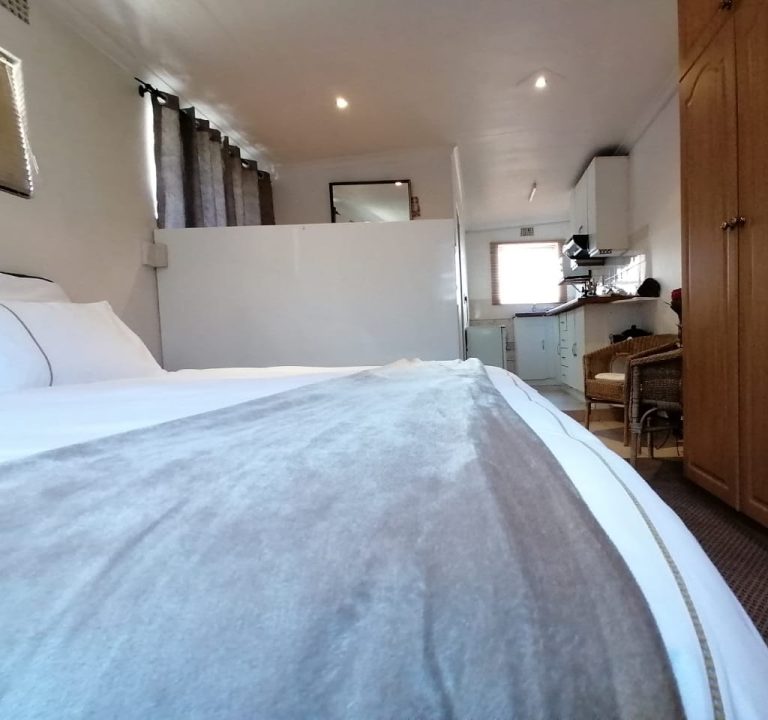
LnR Guesthouse, if you are considering smaller, character-led properties, often emphasises a personal welcome, thoughtfully styled rooms, and a sense of staying somewhere local rather than in a uniform hotel chain. These stays are typically friendly to travellers who value proximity to restaurants, shops and public transport while still wanting a peaceful retreat at the end of the day.
Typical accommodation in Cape Town blends ensuite rooms, shared facilities, and thoughtful extras. Expect comfortable beds, good Wi‑Fi, daily housekeeping, guest lounges or communal kitchens, and outdoor spaces with mountain or harbour views. Some properties may offer additional touches such as breakfast service, packed lunches for day trips, secure parking, or a small refreshment area with tea and coffee facilities. When booking, look for clear cancellation policies, straightforward access details, and information about nearby conveniences such as supermarkets, taxi services, and tram or bus routes.
Planning your itinerary around seasons can help you optimise your stay. The city enjoys a Mediterranean climate with warm summers and mild winters, yet Cape Town’s weather can change quickly, especially along the coast. Late spring (September to November) and autumn (March to May) are particularly pleasant for outdoor activities and sightseeing, while the summer months bring longer days and lively seaside appeal. If you’re seeking quieter periods, consider shoulder seasons when attractions are less crowded but still offer plenty of daylight for exploration.
Getting around Cape Town is straightforward but deserves some forethought. Many visitors favour a mix of walking, rideshare apps, and short taxi hops to avoid traffic in peak hours. The compact central areas are generally walkable, with attractions clustered around the City Centre, Table Mountain National Park viewpoints, and the V&A Waterfront. For longer trips, a rental car provides flexibility for day trips to the Cape Peninsula, Cape Point, or coastal villages. Public transport is improving, but travellers should verify timetables and service reliability in advance.
When selecting accommodation, consider the neighbourhood’s vibe and practicalities. The City Bowl and Gardens offer easy access to art galleries, restaurants and nightlife, with a maze of narrow streets and green spaces. The Atlantic Seaboard gives a dramatic coastline backdrop, with modern eateries and ample morning light for photography. Constantia, Constantia Valley and nearby vineyards provide a more relaxed pace, while Hout Bay and Camps Bay deliver stunning sea views and a sense of being away from the hubbub, yet still connected by road. Family-friendly options and step-free access may be a priority for some guests, so filter properties by accessibility, parking, and whether they cater to late arrivals or offer a kitchen if you prefer self-catering.
Amenities to look for include a secure environment, reliable Wi‑Fi, and clear information about check‑in times. A guesthouse or boutique hotel may offer breakfast in a communal dining area or garden terrace, which can be a welcome start to busy sightseeing days. If you rely on public transport, check proximity to bus stops or rail stations and whether the property provides easy access to hop-on points for day trips toward the Cape Peninsula, Boulders Beach penguin viewing, or the Constantia wine route.
Attractions and experiences you might encounter in Cape Town are as varied as the city’s landscapes. Expect world-class viewpoints on Table Mountain or Signal Hill, ferries to Robben Island, historic neighbourhoods steeped in culture, and urban parks set against mountain backdrops. Food lovers can explore a range of dining venues from casual seaside shacks to refined eateries focused on local produce and flavours. For a balanced itinerary, plan a morning harbour stroll, a midday museum visit, and an afternoon drive along the coast with a stop for a scenic overlook or a winery tour if desired. Always check current opening hours and any booking requirements for major sights, as times can vary seasonally.
Practical tips to help you enjoy a smoother stay:
- Book early for popular periods and consider weekday stays in sought-after neighbourhoods.
- Read guest reviews focusing on reliability, cleanliness, and the responsiveness of hosts or property managers.
- Pack a light layer for coastal breezes and a sunhat or sunglasses for clear city days.
- Bring a reusable water bottle; many sights offer refill stations and nearby cafés can be a convenient place to refuel.
- Respect local etiquette and safety advice, particularly when exploring busy markets or nightlife areas after dark.
When planning your stay, keep a realistic mix of days in the central city with day trips to the surrounding regions. Cape Town rewards curious travellers with approachable landscapes, welcoming hospitality, and a range of experiences that suit different interests and budgets. For more information on accommodation and current travel tips, you can explore official tourism resources and specialist lodging sites, which often provide practical guidance and handy maps to help you build a balanced, enjoyable itinerary.