Jeffreys Bay: Accommodation, Attractions and Practical Tips for a Memorable Stay
Jeffreys Bay in the Eastern Cape is renowned for its long, world-class surf beaches, laid‑back coastal charm and a friendly, traveller‑focussed vibe. Whether you’re seeking a laid-back beach break, a family-friendly lodge, or a chic self-catering stay near the water, the town offers a range of options to suit different budgets and travel styles. A stay here is often about balance: easy access to waves and wind for surfers, plus cafés, quiet coves and nature reserves for non-surf days.
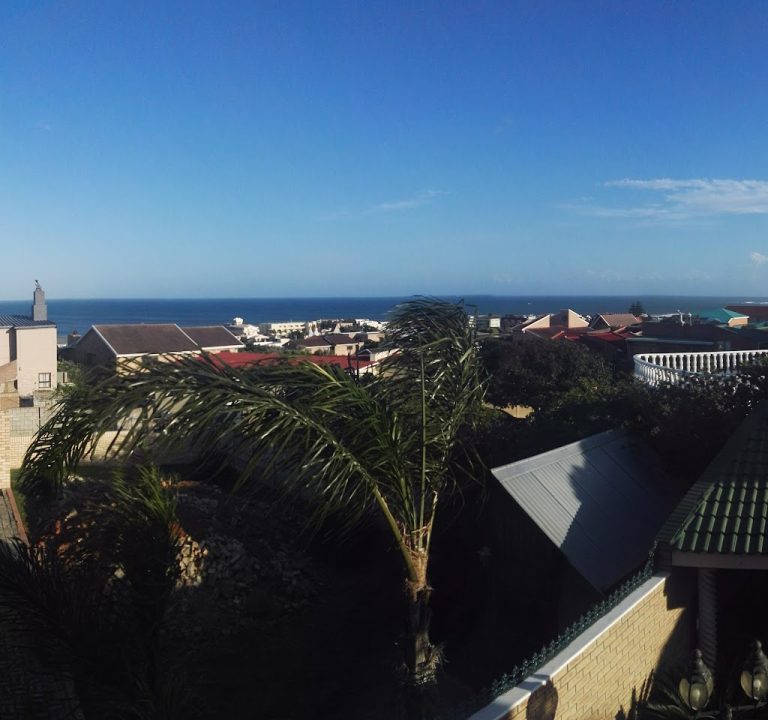
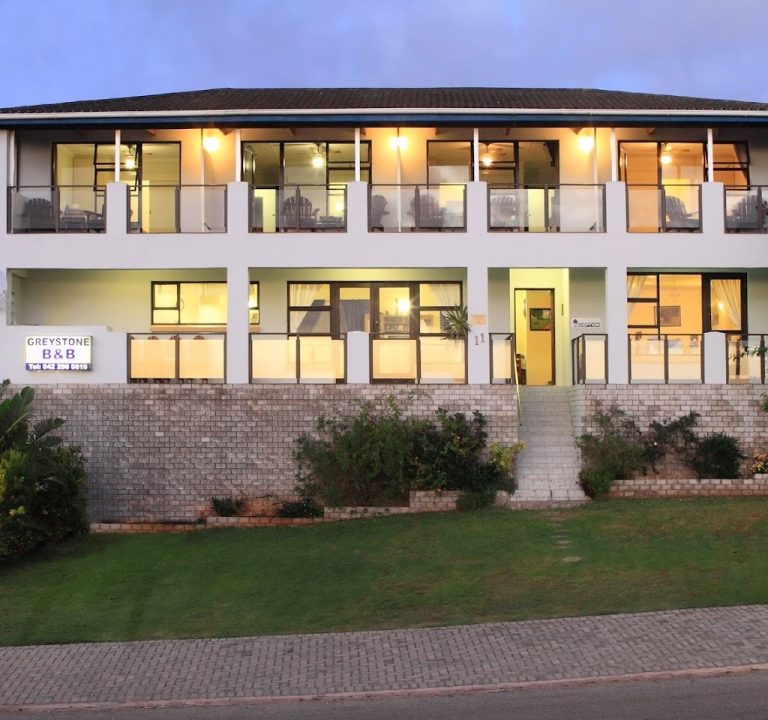
When planning where to stay, consider your priorities: beachfront convenience, a quieter town centre base, or a lodge with a pool and activities. Beachfront properties put you within steps of the main breaks and the lively promenade, while lodges and guesthouses a little back from the water can offer more space, tranquillity and value. Villa Nikos is an example of lodging in the area, reflecting the warm hospitality that frequent visitors praise in Jeffreys Bay. If you prefer self‑catering, seaside apartments and cottages provide flexible options for families or groups.
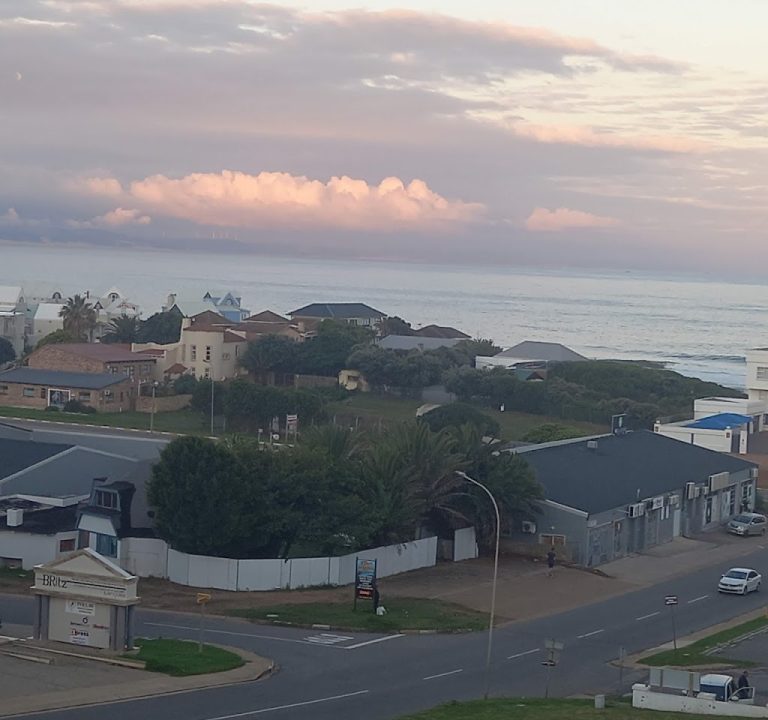
Areas to consider include the main beachfront stretch, where most holiday rentals cluster around the surfing zones and public access points. The town centre offers a more traditional South African town experience, with convenience stores, eateries and a slower pace. Paradise Beach, a residential pocket with direct access to golden sands, is popular with families and long‑stay visitors who want a coastal atmosphere without being in the heart of the busiest sections. For those seeking a more secluded retreat, lodges and guesthouses a short drive from the main beach can provide a quiet base while still being within easy reach of local sights.
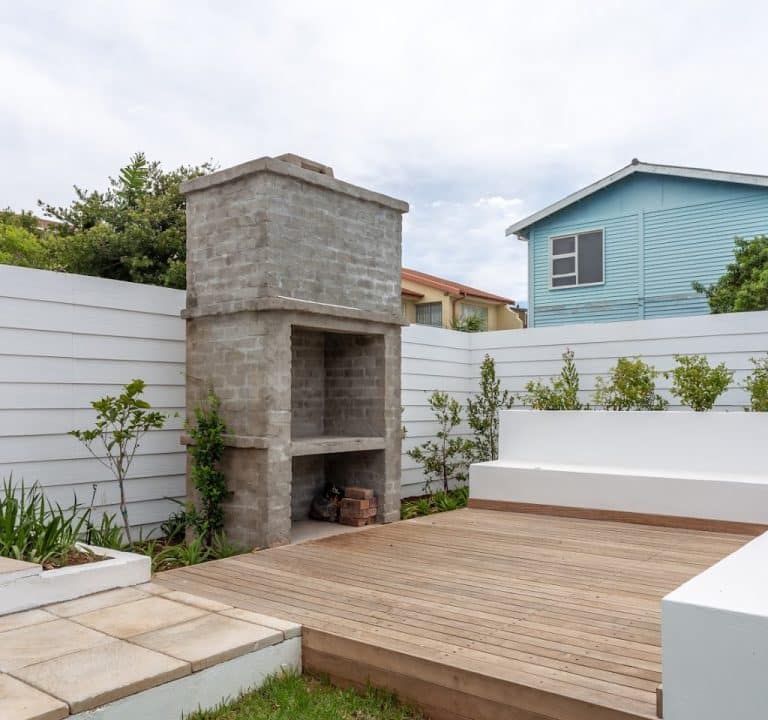
Typical amenities you may encounter include free‑standing or shared guest rooms with en‑suite options, fully equipped kitchens or kitchenettes, Wi‑Fi, secure parking, and sometimes outdoor spaces like terraces, braai areas (barbecues) or swimming pools. Many properties in Jeffreys Bay emphasise a relaxed, friendly welcome, with hosts happy to share local tips on surf spots, beaches with lifeguards, and nearby nature trails. If you’re visiting during peak season, it’s wise to book well in advance and confirm check‑in times and any sea‑quality or weather policies that might affect your plans, such as wind conditions for surfers.
Getting around Jeffreys Bay is easiest with a car. While some guests rely on taxis or rideshares for short trips to the beach or to pick up groceries, having your own wheels helps you explore at your own pace—particularly to discover the Shell Museum, Kabeljous Nature Reserve, and less crowded beaches a few kilometres outside the town centre. Public transport is limited compared with larger cities, so a car‑based plan is generally the most practical. If you’re arriving by air, the closest international gateway is Port Elizabeth (Gqeberha), with onward road transfers to Jeffreys Bay taking around 1 to 1.5 hours depending on traffic and route. Some visitors combine a coastal trip with other Eastern Cape destinations by arranging a circular route that includes add‑on stops along the Garden Route or the Sundays River Valley.
Best time to visit Jeffreys Bay depends on your priorities. The town’s famed surfing season runs through the autumn and winter months when swells are more reliable, yet the summer months offer warmer water and longer days for beach activities and coastal walks. If you are seeking a calmer, less crowded stay, shoulder seasons often provide a good balance of pleasant weather and lower accommodation rates. For nature lovers, the autumn and spring periods can reveal migratory birds and quiet trails around nearby nature reserves. Always check local tide and wind forecasts, particularly if you plan to try surfing or to explore surf breaks with a guide or instructor.
Practical planning tips to help you secure a comfortable base and an enjoyable itinerary:
- Book early for peak seasons (school holidays and major surf events) to secure your preferred area and price range.
- Clarify accommodation type and boundaries: beachfront vs. town centre, quiet garden setting, or pool facilities.
- Ask about self‑catering facilities, laundry access, and whether hosts offer local tips or guided experiences.
- Check traffic patterns and parking arrangements if you’re bringing a vehicle, and enquire about safe, well‑lit access by night.
- Prepare for outdoor activities: bring sun protection, light layers for cooler evenings, and swimwear appropriate to sea conditions.
For activities and dining, Jeffreys Bay offers a relaxed mix of experiences. You’ll find long sandy beaches ideal for sunbathing, safe swimming, and family days out; nearby coves offer gentle scenery for easy coastal walks. A visit to the Shell Museum provides a taste of local marine history and shells, while nature lovers may enjoy short hikes or nature drives near Kabeljous Nature Reserve. Dining options range from casual cafés and seafood bars to more contemporary restaurants that emphasise fresh, simple ingredients and relaxed hospitality. The town’s eateries tend to prioritise fresh, locally sourced produce, with menus designed to be accessible to families and travellers alike. For a complete planning resource, local tourism sites often provide up‑to‑date listings of accommodation, attractions and seasonal events with practical advice on how to make the most of your stay.
In summary, Jeffreys Bay offers a friendly, flexible base for a coastal break in the Eastern Cape. Whether you opt for a waterfront villa, a cosy guesthouse in the town centre, or a self‑catering lodge near Paradise Beach, you’ll find comfortable amenities and welcoming hosts ready to help you plan a surf‑driven itinerary, day trips to nearby reserves, and relaxed evenings sampling local hospitality. When you’re ready to explore further, consider checking resources such as official tourism pages and longer‑form guides for the latest on attractions, restaurant openings, and seasonal events in Jeffreys Bay.