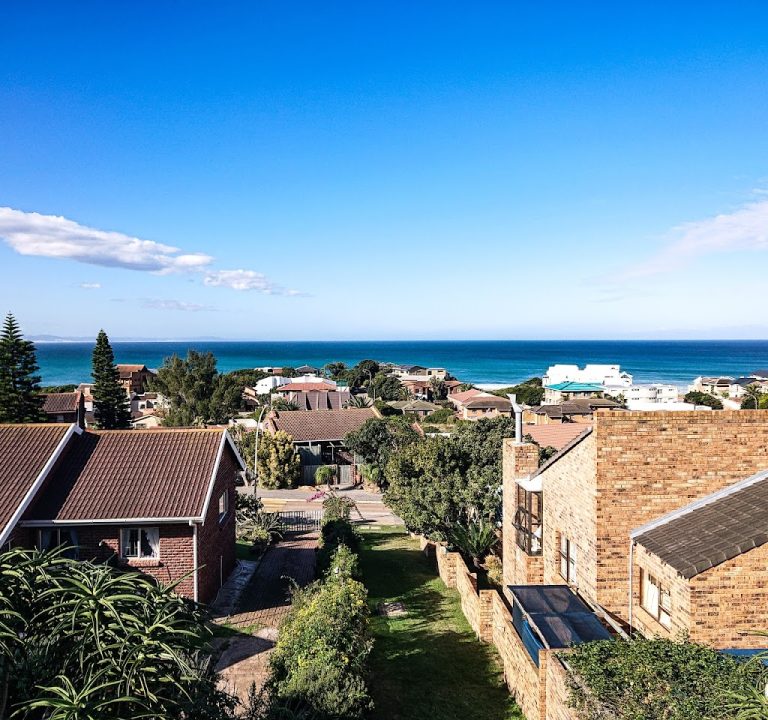
Accommodation and Experiences in Jeffreys Bay, Eastern Cape
Jeffreys Bay, on the Sunshine Coast of the Eastern Cape, is renowned for its long, sandy beaches, friendly atmosphere and a relaxed yet active pace that suits both surfers and families. When planning a stay, consider the different neighbourhoods and how easy they are to access the beaches, shops and eateries you want to explore. The town itself offers a range of accommodation from stylish boutique guesthouses to comfortable self-catering apartments and reliable family-friendly lodges, many situated within easy reach of the famed surfing avenues and the wider Bay area.
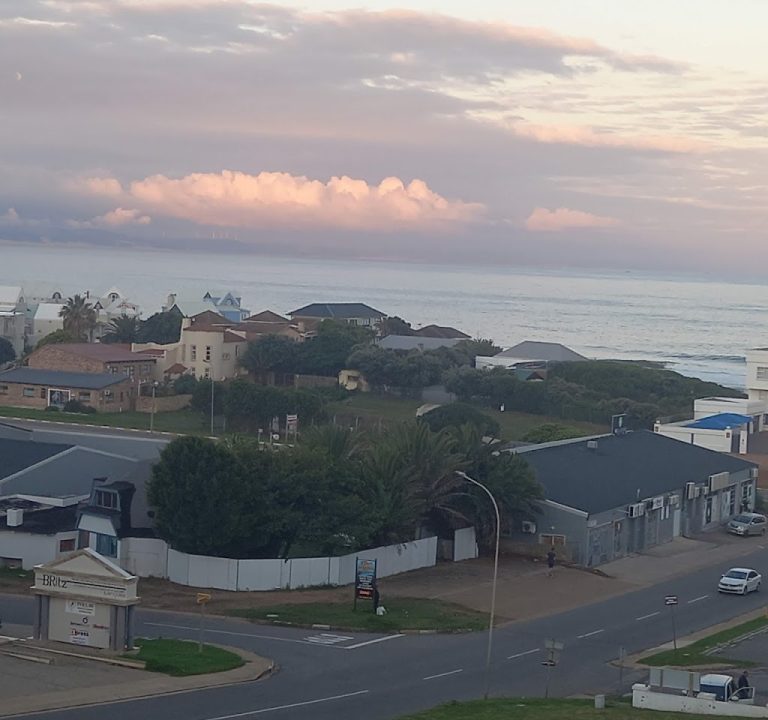
Areas to consider for your stay include the Point and Supertubes neighbourhoods, which are closest to the main beaches and surf breaks. Paradise Beach and Kabeljous offer quieter, more residential vibes and are typically convenient for guests who prefer a calmer base with quick access to nature trails and coastal scenery. Central Jeffreys Bay provides easy access to shops, cafés and transport links, making it a practical option for first-time visitors and those keen to walk or cycle to the beach.
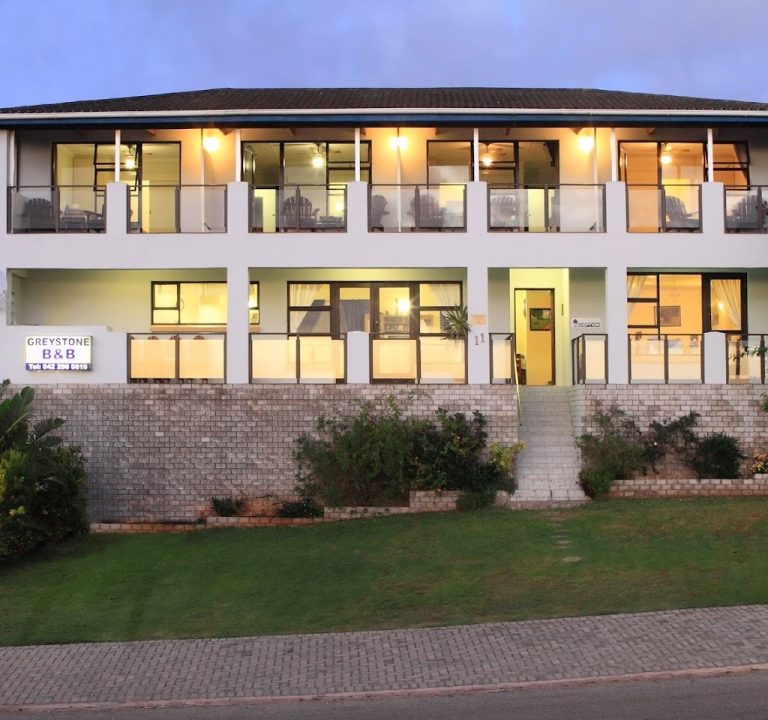
When you book, think about a few practical planning points. Proximity to the beach is often a top criterion, but assess parking arrangements if you’re staying in busy periods. Some properties offer on-site parking, while others provide nearby alternatives. Consider the type of accommodation that suits your group—whether a sea-facing suite, a family apartment with a kitchenette, or a boutique guesthouse with communal lounge spaces. For longer stays, a self-contained unit with a kitchen can help you manage meals and timing around surf sessions or day trips.
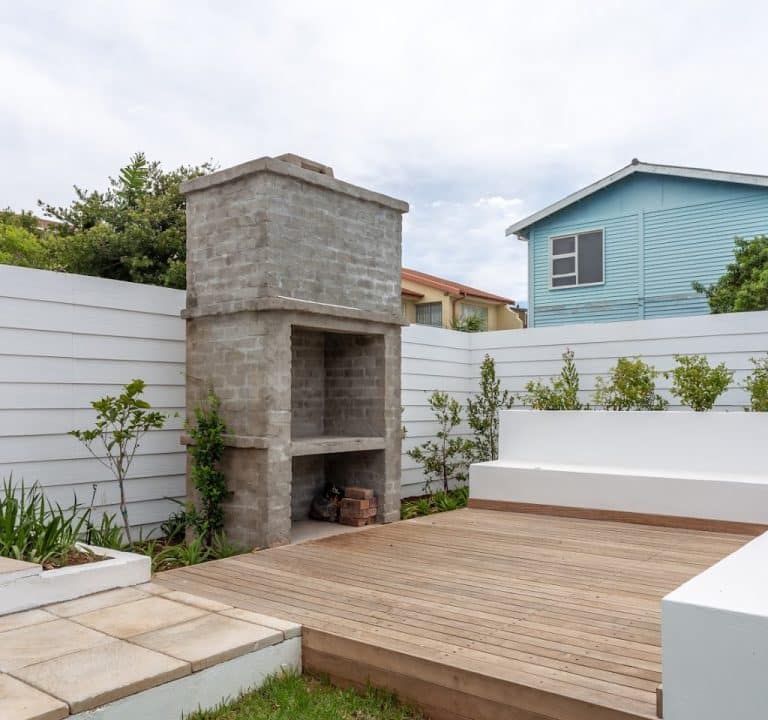
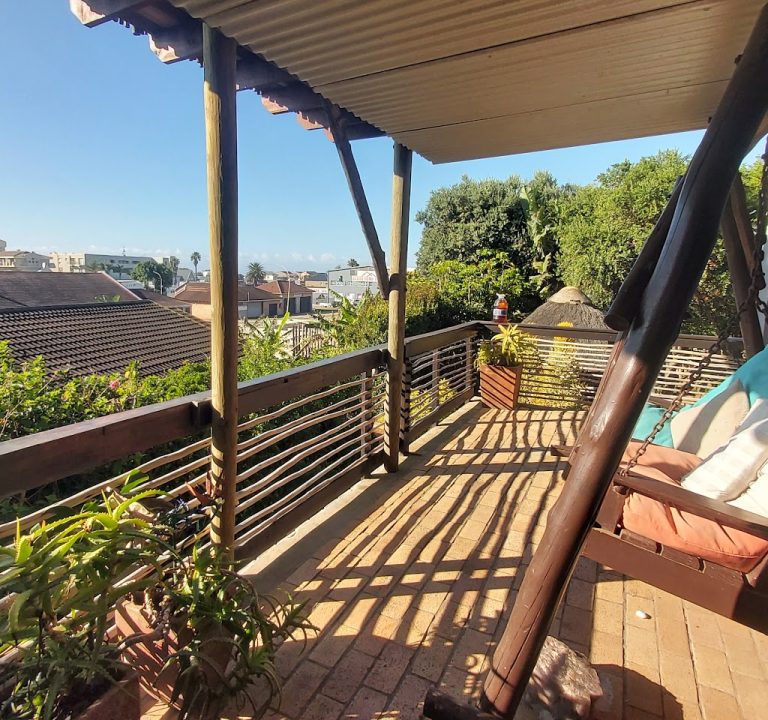
Typical amenities to look for include reliable Wi‑Fi, towels and linen, heating or cooling options appropriate for the season, and privacy features such as private entrances or soundproofed rooms. Many guesthouses and lodges offer breakfast options, which can be a convenient start before a busy day. A kitchenette or self-catering facilities are helpful for families or groups who prefer flexibility. If you’re visiting during peak season, confirm access to outdoor spaces such as balconies, patios or gardens where you can unwind after a day on the coast.
Transport in Jeffreys Bay is straightforward but worth planning in advance. A car is helpful for exploring the surrounding coastline, nature reserves and the nearby townships, and most places of accommodation provide parking. If you’re flying in, the closest major airport is several hours away by road, so a hire car is a common choice. Within town, options such as rideshare services, taxis or local buses can assist with shorter trips to beaches, viewpoints, or evening meals. If you’re into cycling, the flat coastal routes are pleasant and usually quiet enough for a relaxed ride between beaches and cafés.
The best time to visit Jeffreys Bay depends on your priorities. For surfing and warm-water swimming without peak heat, late spring to early summer offers pleasant conditions and lively beach culture. Summer holidays draw visitors seeking sun, surf and coastal ambience, while autumn can be excellent for quieter periods with milder weather and fewer crowds. Winter in Jeffreys Bay tends to be cooler and more suited to coastal walks, whale watching from nearby viewpoints, and enjoying local restaurants with seasonal menus. Pack a light rain layer for the occasional coastal shower and a hat for sun protection, even on cooler days near the sea.
When it comes to things to do, Jeffreys Bay centres on the seaside experience, outdoor activities and relaxed dining. Expect long beach days, surf lessons or board rentals, and family-friendly time along the shore. Beyond the main beach stretches, nature trails and viewpoints offer opportunities for birdwatching and scenic photographs. If you’re after a more leisurely day, small cafes and eateries line the streets, with menus that often favour fresh, regional produce. A visit to the local coastline and nature reserves provides a gentle mix of marine environment and dune landscapes that are pleasant for walkers and photographers alike.
Value-conscious travellers can look for guesthouses or lodges that offer flexible cancellation policies and clear information about access to beaches and public spaces. A practical tip is to verify check-in times and any restrictions on late arrivals, especially in peak seasons. Some properties provide recommendations for safe beach access, surf safety guidelines and tide information, which can be particularly helpful for first-time visitors to the area. If you’re seeking an authentic stay, look for hosts who can share local tips on where to watch sunset over the bay, where to find family-friendly beaches, and how to combine your visit with nearby outdoor activities.
Finally, consider nearby experiences that complement a Jeffreys Bay stay. Although specific venues are not singled out here, you’ll find a range of dining options that focus on seafood, casual coastal fare and light modern dishes, all within easy reach of most accommodation. Day trips to nearby coastal towns, nature reserves and viewpoints can enrich your itinerary, offering a broader sense of the Eastern Cape’s landscapes and seascapes. For inspiration and practical planning, several official tourism sites and local guides provide up-to-date information on events, seasonal offerings and accessible routes.
- Areas to consider: Point/Supertubes, Paradise Beach, Kabeljous, and central Jeffreys Bay
- Key planning factors: proximity to the beach, parking, self-catering facilities, and flexible breakfast options
- Transport tips: car hire is common; plan for longer drives if you explore beyond the town
- Seasonal notes: peak surf seasons, summer crowds, and shoulder seasons for quieter beaches