Accommodation and Experiences in Cape Town: Where to Stay, What to Expect, and How to Plan
Cape Town, in the Western Cape of South Africa, offers a rich mix of guest houses, boutique hotels, lodges and self-catering options that suit every budget and style. From the harbour-front beauty of the V&A Waterfront to the glamorous seafront of Camps Bay and the leafy villas of Constantia, the city provides a broad palate of stays with easy access to iconic landscapes, vibrant dining and a starting point for adventures in the surrounding region.
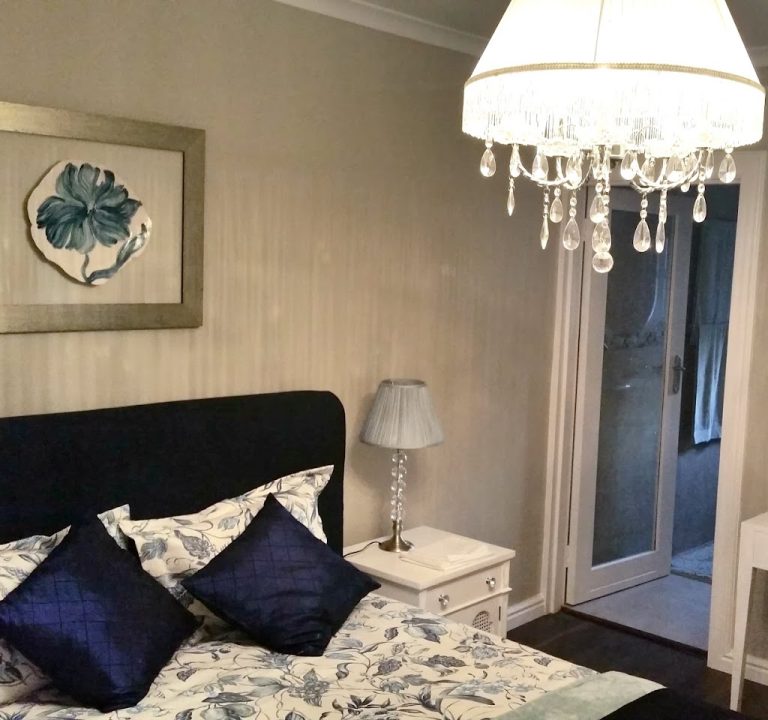
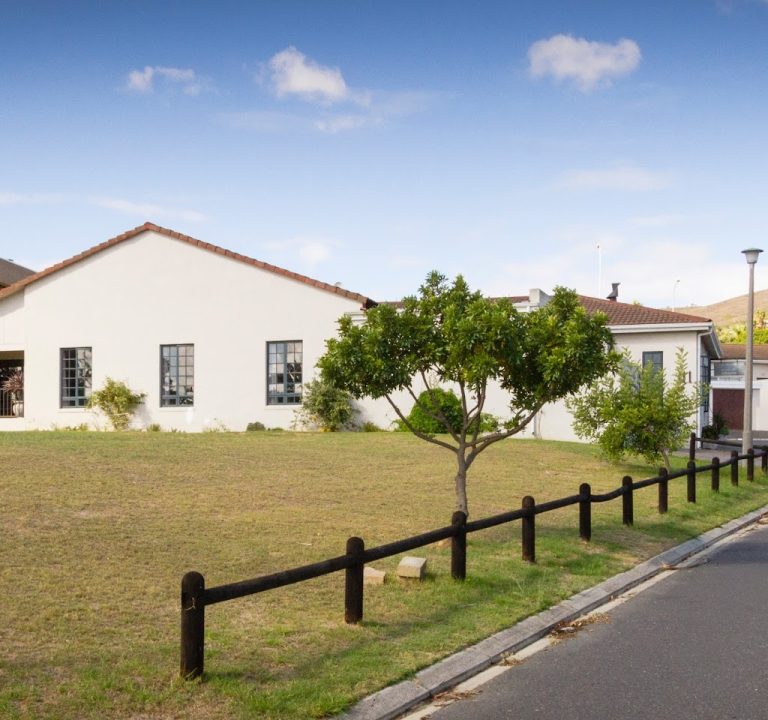
Villa Marcos, a guest house that captures the character of the region, provides a comfortable base for visitors exploring the city. Whether you are travelling for a short city break or a longer slow‑travel experience, a well-chosen guest house can combine home comforts with local flavour. When selecting a property, consider how it aligns with your plans for each day—whether you want to be central for city sights, or closer to the coast for beach walks and sea breezes.
Areas to consider when booking include:
- City Bowl and the Gardens: central for shopping, museums and easy access to many attractions on foot or by public transport.
- Atlantic Seaboard (including Sea Point and Camps Bay): a mix of stylish apartments and boutique guest houses with sea views and beach access.
- V&A Waterfront and Green Point: lively, well-connected areas with harbour walks, restaurants and family-friendly activities.
- Constantia and Kirstenbosch foothills: tranquil, green surroundings ideal for wine routes and nature walks.
- Unique neighbourhoods such as Woodstock and Observatory (Now known as the Muizenberg side via the southern suburbs): more budget-friendly options with easy transit into the city.
What to look for when booking:
- Bed comfort and privacy, especially in guest houses that offer individual rooms or suites.
- Breakfast options and included amenities (wifi, parking, laundry, and if a pool or terrace is available).
- Proximity to public transport or the ease of arranging transfers, given that some attractions lie beyond walking distance.
- Character and design—many properties in Cape Town are stylish with local flair, yet remain practical for family or solo travellers.
- Cancellation policies and guest reviews to gauge consistency in service.
Typical amenities you might encounter include free Wi‑Fi, on-site parking, daily breakfast, private or en-suite bathrooms, and staff who can offer local tips. A well sized guest house may also provide suggestions for day trips, such as winelands visits, township tours, or coastal drives along the Atlantic Seaboard. If you are inclined to cook, some self-catering options or rooms with kitchen facilities can be a practical choice.
Transport and getting around are considerations worth planning for. The city benefits from a reliable public transit option, though many visitors prefer a combination of rideshare services, rental cars or organised tours. If you stay near the city centre or the V&A Waterfront, you’ll find most major sights reachable on foot or by a short taxi ride. For longer excursions, such as a trip to the Cape Peninsula’s dramatic coast, a rental car provides flexibility, though guided day tours can be convenient and informative.
When to visit Cape Town for the best mix of weather and value varies by what you want from your trip. Spring (September to November) and autumn (March to May) offer mild temperatures and fewer crowds compared with the busy summer season. Winter (June to August) is cooler and wetter, which can be ideal if you plan to focus on museums, galleries and indoor activities, or you simply enjoy a city with a different vibe. If you are chasing sea views and outdoor activities, plan around calmer, sunnier days and be prepared for wind in the coastal areas, particularly along the Atlantic coast and the peninsula edges.
Attractions and experiences in Cape Town are wonderfully varied but need only general reference here unless you are budgeting for specific visits. Iconic landscapes, harbour views, scenic drives along the Atlantic coast, and the proximity to the Cape Peninsula and Cape Winelands make for a compelling stay. Within the city, experienced guides and well‑established tour operators offer adventures ranging from scenic coastal walks and wildlife experiences to cultural tours and historic sites. For dining, the city’s restaurant scene ranges from casual bistros to refined eateries with seafood, game and international flavours. You’ll find menus and experiences that reflect local ingredients and global influences, with recommendations available from your accommodation hosts or trusted local websites.
Planning a stay efficiently involves a few practical steps. Check the area map of your accommodation, identify nearby grocery stores or cafés, and note access to transit routes for easy daily hops. If you intend to explore beyond the city limits, consider arranging a day tour or car hire, and confirm where you can safely park if you drive. Booking in advance for peak periods is wise, but many properties offer flexible cancellation policies that provide room to adapt as plans evolve.
For inspiration and further reading, you may wish to explore official tourism resources that provide general guidance on routes, experiences and planning tips. Visiting Cape Town offers a balance of natural splendor, outdoor activities and a thriving culinary scene, all within reach of a well‑chosen stay. Whether you select a central guest house such as Villa Marcos, a seaside villa on the Atlantic seaboard, or a hillside retreat in Constantia, the city’s hospitality and terrain are well set to help you craft a memorable visit. For more information on areas to explore and how to tailor your itinerary, consider reputable travel guides and official tourism sites that focus on experiences, accessibility and seasonal highlights.