Accommodation and attractions in Cape Town: planning a memorable stay
Cape Town, in the Western Cape of South Africa, offers a rich mix of scenery, culture and cuisine that suits solo travellers, couples and families alike. When planning a stay, choosing the right neighbourhood and type of accommodation can set the tone for your trip. From stylish bed and breakfasts and boutique hotels to self‑catering apartments with sea views, there are options to fit most budgets and preferences while keeping you close to the city’s highlights.
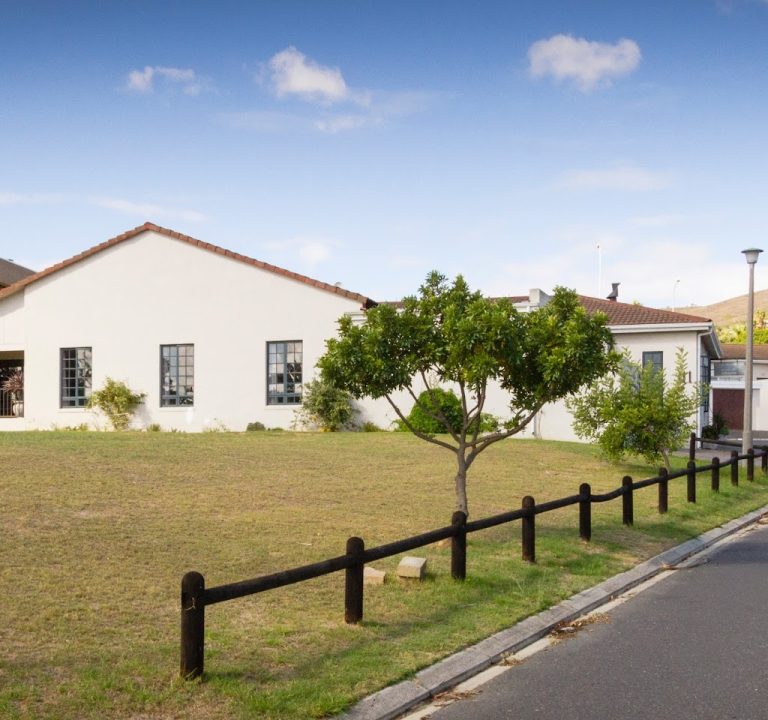
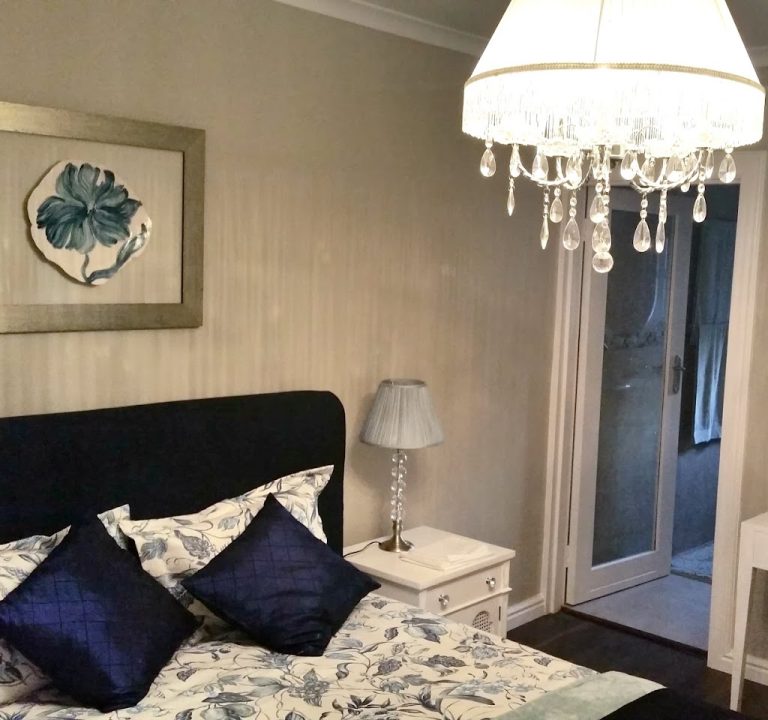
For a comfortable base, consider staying along the Atlantic Seaboard and nearby central areas. These neighbourhoods typically provide easy access to beaches, promenades and a range of dining options, while still being well connected to mountain viewpoints and cultural sites. If you prefer a more relaxed, village-like atmosphere with leafy streets and cafés, the Constantia valley and southern suburbs offer wine country scenery and quiet streets a short drive from the city centre. For a vibrant urban experience with easy access to markets and nightlife, the city bowl and Green Market Square area can be convenient, though it may be busier in peak seasons. If you are reading about a specific property such as a Bed & Breakfast like Portobello Place, you may find it balances personalised service with a homely feel, offering a restful retreat after busy days of sightseeing.
When booking, look for these practical details to make your stay smoother:
- Proximity to your planned activities and transport links (MyCiTi bus routes, rail links, or car hire access).
- Clear information about security, access to parking or safe public transport at night, and the option for early check‑in or late check‑out if your schedule requires it.
- Availability of daily housekeeping, breakfast options, and self‑catering facilities if you prefer flexible meals.
- Quality of beds and linens, room privacy, air conditioning or heating, and reliable wi‑fi for work or streaming.
- Friendly, local hosts or staff who can offer personalised recommendations for routes, beaches and dining.
Typical amenities you may encounter include en‑suite bathrooms, complimentary tea and coffee, secure on‑site parking, and sometimes access to a garden or terrace with sea or mountain views. In many Cape Town properties, breakfast is a highlight, ranging from a light continental spread to a full home‑style cook‑up. If you are staying in a boutique or guesthouse, you may be treated to local touches such as homemade jams, fresh fruit, and regional coffee. For longer stays, a kitchen or kitchenette can be a real convenience, giving you the flexibility to plan day trips without dining out for every meal.
Transport is a key consideration. Cape Town is best explored with a mix of guided days and independent exploration by car or public transport. If you plan to drive, check parking arrangements and safety notes for the area. If you prefer not to drive, consider properties near MyCiTi corridor routes or within easy walking distance of attractions. Organised tours can be a good option for places like Table Mountain, Cape Point, and the Cape Winelands, allowing you to focus on enjoying views rather than navigating roads.
The best time to visit Cape Town depends on your priorities. The city enjoys a Mediterranean climate with warm summers and mild winters. The peak tourist season is typically during the South African summer months (October to March), when coastal temperatures are inviting and outdoor activities are plentiful. Winter (June to August) offers cooler weather and dramatic scenery, with fewer crowds and the chance to enjoy indoor experiences such as museums, markets and cosy restaurants. Spring and autumn provide a balance of comfortable temperatures and pleasant light for photography, coastal walks and winelands day trips. If you are after specific wildlife experiences or whale watching, timing can influence your plans, so review seasonal guides before booking.
When it comes to dining and experiences, Cape Town’s culinary scene ranges from informal harbour shacks to refined dining rooms. In general terms, expect seafood coastal flavours, sun‑drenched Mediterranean influences, and bold Cape flavours that showcase local produce, herbs and regional wines. Dining locations often offer sunset views, especially near the coast or atop hills with city panoramas. For experiences, you might consider a breath‑taking cable car ascent to a famous lookout, a scenic coastal drive along the Atlantic Seaboard, or a day trip to a nearby wine region with cellar tastings and vineyard lunches. In addition, markets, galleries and craft shops provide opportunities to meet local makers and discover artisanal products to remember your trip by.
Practical tips to ensure a smooth stay in Cape Town:
- Pack layers: coastal mornings can be cool, with warmer afternoons and breezy evenings by the sea.
- Stay aware of safety advisories and follow local guidance, especially in the evenings and in busier areas.
- Sun protection is essential even on cooler days, with high UV levels common on the coast.
- Water and electricity shortages can occur; plan for contingencies by bringing a small power bank and filling water containers if advised.
- Respect local customs, support local businesses, and tip appropriately for good service.
cape Town is a destination that rewards a thoughtful, balanced itinerary. Pair a well-chosen stay with a mix of outdoor adventures, scenic viewpoints, cultural experiences and culinary discoveries, and you will enjoy a well‑rounded visit that captures the city’s unique spirit. For accommodation ideas and practical planning, explore trusted listings and property pages that highlight guest reviews, location details and host recommendations. A well‑placed bed and breakfast or boutique hotel can be the warm heart of your Cape Town visit, with easy access to the city’s incomparable landscape and vibrant neighbourhoods.