Accommodation and Attractions in Cape Town: Planning a Well‑Rounded Stay
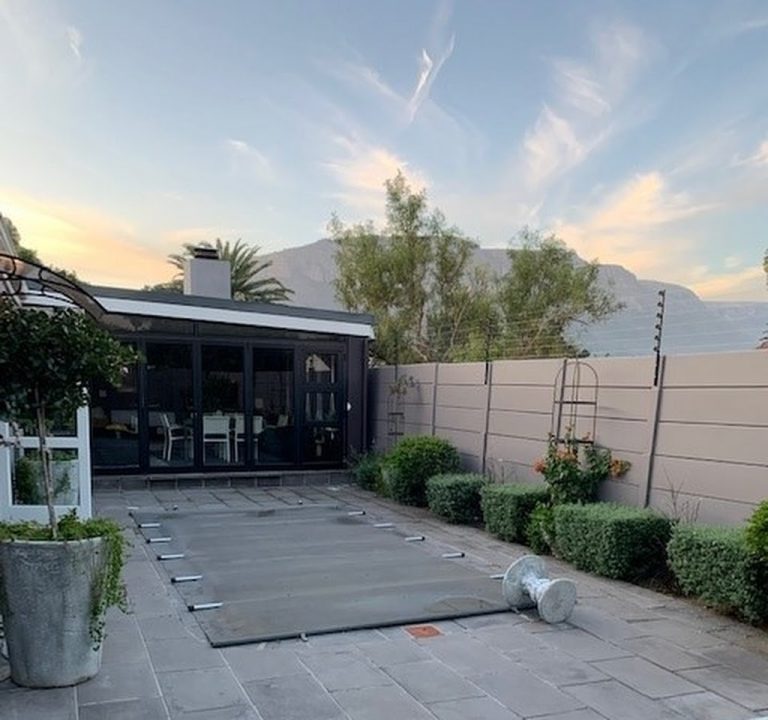
Cape Town, in the Western Cape of South Africa, is a city of contrasts and natural beauty, where coastal scenery meets dramatic peaks and a vibrant cultural scene. When planning a stay, travellers often seek a balance between convenient access to the city’s key sights, comfortable living spaces, and the chance to sample a range of dining and local experiences. Self-catering options, guesthouses, hotels, and lodges each offer different advantages, depending on your plans and group size. For example, Villa Lyrique is a self-catering option that may suit travellers who value privacy and flexibility during longer visits.
Where to stay depends on what you want to do. The Atlantic Seaboard (think Camps Bay and Llandudno) is prized for its scenic beaches and sunset views, with many properties offering terraces and easy beach access. The City Bowl area puts you within walking distance of museums, markets, and a thriving restaurant scene, while Green Point and the V&A Waterfront provide a mix of new developments, historic architecture, and convenient transport links. Constantia and the Southern Suburbs offer leafy tranquillity and easy access to wine estates, hiking trails, and family-friendly activities. If you’re visiting with a smaller budget or prefer a more intimate atmosphere, guesthouses and smaller boutique hotels remain popular choices throughout the city.
What to look for when booking varies with the kind of stay you want. For self-catering or longer visits, a well-equipped kitchen, reliable wi‑fi, good security, on-site parking, and laundry facilities are often high on the list. If you’re travelling in a group, consider multiple bedrooms, separate living spaces, and clear information about access (for example, lift availability or ground-floor options). For those chasing views or proximity to particular sights, proximity to reliable transport options is crucial. Many visitors value properties that offer flexible check‑in arrangements, clear guest information, and proximity to MyCiTi bus routes or rail links for easy city exploration without relying exclusively on a car.
Typical amenities you’ll encounter include secure parking or convenient drop-off zones, well-equipped kitchens, comfortable living spaces, and outside areas that let you enjoy Cape Town’s favourable climate. In many areas, hosts or front desk teams can assist with tailored tips for dining reservations, day trips, and self-guided explorations. When researching accommodation, read guest reviews carefully for insight on noise levels, housekeeping frequency, and how the property handles peak-season demand. If you’re visiting during peak times—think school holidays or the festive season—book well in advance to secure the best options and price bands.
Best time to visit Cape Town depends on the activities you prioritise. Late spring (September and October) and autumn (March to May) offer pleasant weather, blooming gardens, and fewer crowds than peak summer. Summer brings long days, excellent sea conditions for water-based activities, and a lively city atmosphere. Winter (June to August) is cooler and wetter, but it can be ideal for whale watching on the coast and enjoying indoor attractions, markets, and wine-tasting experiences in nearby Stellenbosch or Constantia. If you plan to hike, be prepared for variable conditions: some routes are open year-round, but weather can influence visibility on Table Mountain and the surrounding peaks.
Getting around Cape Town is practical with a mix of private transport, taxis, and public options. A car offers the greatest flexibility for exploring the Cape Peninsula, Cape Point, and the winelands, particularly if you want to venture to more distant beaches or scenic viewpoints. Public transport, including the MyCiTi bus service and urban rail, provides economical and reliable options for city centre sightseeing and day trips with less driving. If you want a self-guided experience, consider choosing a base that enables easy day trips to popular coastal towns, nature reserves, and coastal pathways, while leaving some days free to wander the city’s markets, galleries, and cafés at a relaxed pace.
What to do and where to eat is generously varied, though it’s wise to approach recommendations with flexibility. In broad terms, natural attractions around Cape Town include iconic viewpoints, rugged coastlines, and botanical splendours. Cultural experiences, such as markets, museums, and theatre, sit alongside contemporary dining and casual eateries that celebrate fresh local produce. When selecting activities, consider a mix of outdoor adventures (scenic drives, coastal walks, and hiking) and indoor or sheltered options for less predictable weather. Many travellers enjoy sunset experiences along the Atlantic Seaboard, followed by dining at a relaxed, local restaurant scene that emphasises seasonal ingredients and regional flavours. For an introduction to South African staples, look for eateries that offer a range of dishes inspired by coastal and mountainous landscapes, rather than relying on a single cuisine.
Tips to help you plan a smooth stay:
- Set a flexible itinerary that balances days on the coast, nature excursions, and quieter city days.
- Choose accommodation with clear guidance on access, parking, and self-check-in if you value privacy or late arrivals.
- Book in advance for peak periods, especially for popular sights, coastal drives, and fine-dining experiences.
- Consider a base that provides easy access to public transport if you prefer not to drive daily.
- Pack layers for variable coastal weather, plus sun protection for outdoor activities.
For more inspiration and practical planning, visitors can consult Cape Town’s official tourism resources and browse accommodation options that highlight comfort, convenience, and southern African hospitality. With careful planning, a stay in Cape Town can balance scenic wonder with a welcoming, home-from-home atmosphere, whether you choose a self-catering apartment, a boutique guesthouse, or a full-service hotel.