Accommodation and Experiences in Cape Town, Western Cape
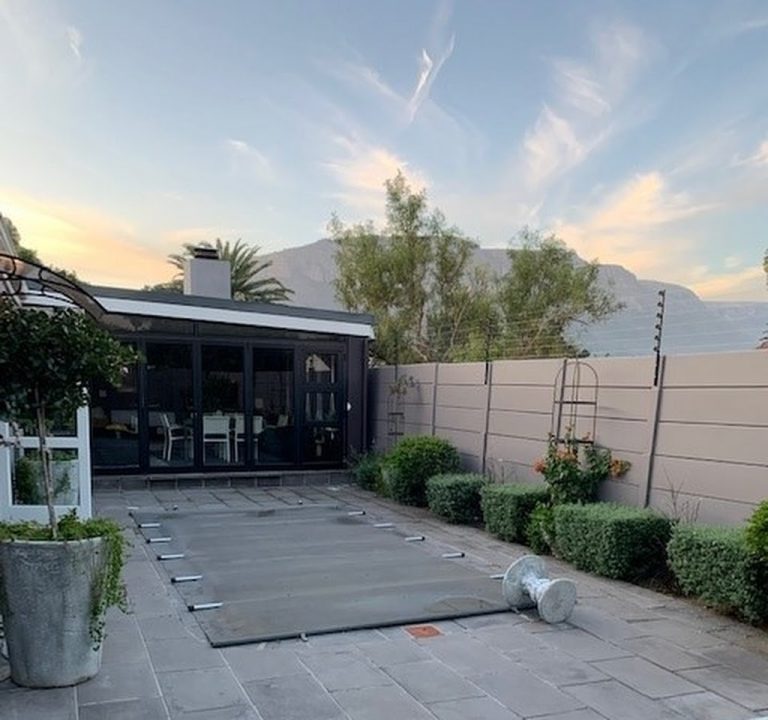
Cape Town offers a diverse range of places to stay, from intimate bed and breakfast properties to stylish guesthouses, boutique hotels and self‑catering lodges. When planning a visit, think about the kind of neighbourhood that will suit your itinerary, how close you want to be to the city’s iconic sights, and what pace of life you favour during your stay. The Good Host, as a charming bed & breakfast option, can provide a friendly base with easy access to central sights and nearby beaches.
Areas to consider
- City Bowl and central neighbourhoods: Staying near the city centre or the historic District Six/Green Point areas puts you within walking distance of museums, galleries, markets and a broad choice of restaurants, while still offering easy access to the Table Mountain cableway and urban parks.
- Atlantic Seaboard: Camps Bay, Clifton and neighbouring suburbs offer coastal scenery, long beaches and a more relaxed, upmarket vibe. This is ideal if you value sea views and sunset walks, though transport to other parts of the city may require a short drive or ride.
- Southern Suburbs and Constantia: Known for lush greenery, wine estates and easy access to Kirstenbosch Botanic Garden, this area suits travellers who want a quieter base with scenic drives to the Cape Point and False Bay coast.
- Bo-Kaap and the neighbourhoods nearby: For those interested in colour, culture and proximity to the central sights, a stay here provides a vibrant, walkable experience with easy access to markets and local eateries.
What to look for when booking
- Position and access: Determine how you will get around. Short stays often benefit from central locations; longer stays may be comfortable with a car or reliable ride-hailing options.
- Amenities that suit you: Free Wi‑Fi, on-site parking, a self‑c catering option, or a daily breakfast can be important depending on your plans. Consider whether you prefer a pool, a garden, or a rooftop terrace for relaxation after sightseeing.
- Room configuration and privacy: Check whether rooms share common spaces, if there are en‑suite bathrooms, and the level of housekeeping. For families or groups, a property offering family rooms or self‑contained units can be advantageous.
- Safety and accessibility: Look for well‑lit entrances, secure access, and a reputation for respectful hosts. If you plan to hike or explore nature reserves, enquire about practical tips and arrangements for early starts.
- Host interaction and local knowledge: A host who offers personalised tips on local eateries, markets, and less-touristy experiences can enhance your stay. Guesthouses and B&Bs often excel in this regard.
Typical amenities and practical travel tips
- Breakfast and dining: A hearty breakfast is a hallmark of many B&Bs and guesthouses, providing a good start for day trips. Some properties offer flexible breakfast times to suit early departures for hikes or ferries.
- Transport: Cape Town’s public transport includes rapid bus routes and historic funicular experiences in some areas, but many visitors rely on rideshares for convenience and safety. If you plan coastal drives or day trips, a car can provide independence.
- Connectivity and workspaces: If you need to work remotely, look for rooms with strong Wi‑Fi, a working desk and a comfortable ambience for longer stays.
- Climate and packing: The climate is moderate but can be windy on the coast and variable across seasons. Bring a light layer for evenings, and comfortable walking shoes for hills and coastal paths.
- Practical arrival matters: Check check‑in and checkout times, the availability of luggage storage, and whether there are self‑check‑in options if you arrive outside standard hours.
Best time to visit
Cape Town has a year‑round appeal. Summer (November to February) brings warm days, sea swimming and outdoor concerts, while spring (September to November) and autumn (March to May) offer pleasant temperatures for outdoor activities and less crowded attractions. Winter (June to August) is cooler and rainier but can be ideal for fewer crowds and enjoying indoor cultural venues and wine‑country day trips.
What to do and see (in broad terms)
- Iconic landscapes: Take a cable car or hike up a mountain for breathtaking views over the city, harbour and surrounding coastline.
- Waterfront and markets: Enjoy the maritime atmosphere, crafts, and casual dining along the harbour, with opportunities to explore museums and galleries.
- Gardens and nature: Kirstenbosch National Botanical Garden and nearby reserves offer scenic walks, picnic spots, and viewpoints.
- Coast and scenery: Drive along the Atlantic Seaboard for dramatic coastal scenery, or venture further to the Cape Point reserve for rugged landscapes and wildlife.
- Food and wine: The Cape Town region is renowned for its diverse cuisine and nearby wine estates, where you can pair tastings with lunches or dinners in scenic settings.
Sample planning tip
- Build a two‑ or three‑night city base around District or Green Point, with a day trip along the Atlantic Seaboard and a second day exploring the southern suburbs and Constantia wine route. Reserve a final day for Kirstenbosch and a gentle coastal walk, with a celebratory dinner at a restaurant offering panoramic views.
Useful resources
- General information about Cape Town’s sights, transport, and practical travel planning can be found on official tourism and city pages, which provide practical visitor guidance and suggested itineraries.
- For inspiration on where to stay, search for B&Bs and guesthouses in the central and coastal neighbourhoods, and read recent guest reviews to gauge hospitality, cleanliness and value.
In short, Cape Town’s accommodation spectrum supports a range of itineraries, from energetic city breaks to relaxed coastal explorations. By choosing a neighbourhood aligned with your plans, confirming essential amenities, and mapping a practical transport approach, you can maximise comfort and enjoyment while exploring one of Africa’s most celebrated cities.