Staying in Phalaborwa: where to stay, what to do and how to plan your visit
Phalaborwa, in Limpopo, offers a convenient base for exploring northern South Africa and the edge of the Kruger National Park. The town blends practical accommodation with easy access to wildlife experiences, nature trails and relaxed dining. When planning a stay, think about which part of Phalaborwa or nearby reserves best fits your pace, whether you want quick park access, a peaceful retreat by the river, or a base with easy day trips to surrounding attractions.
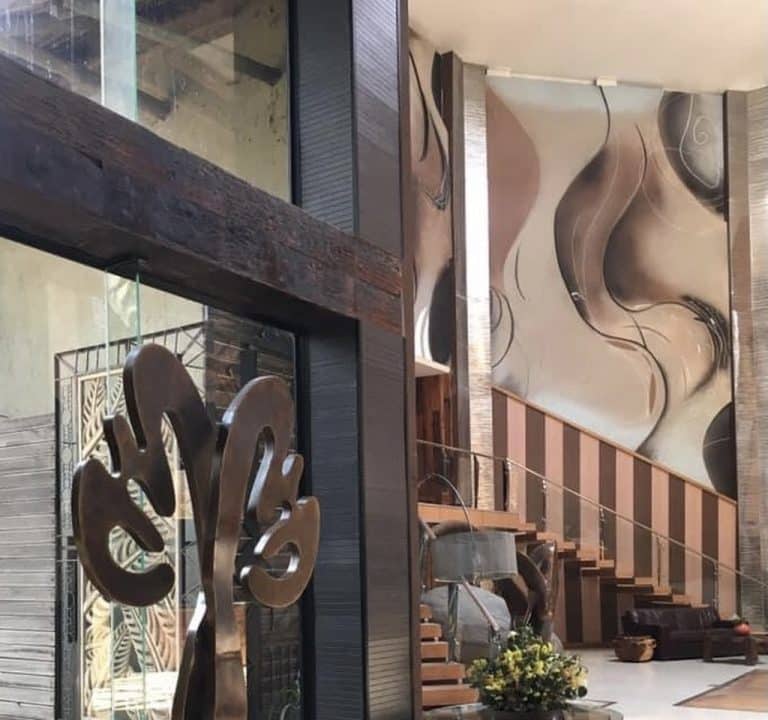
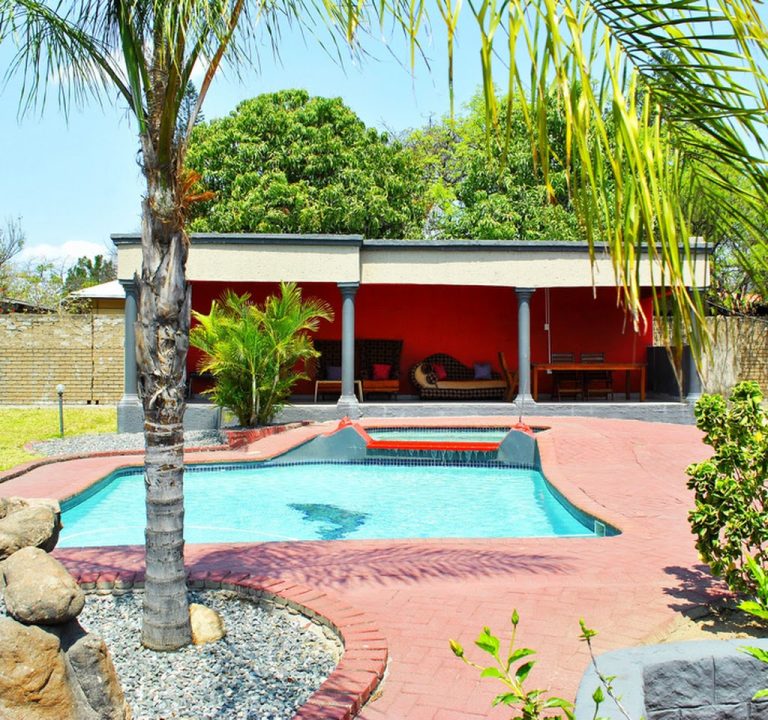
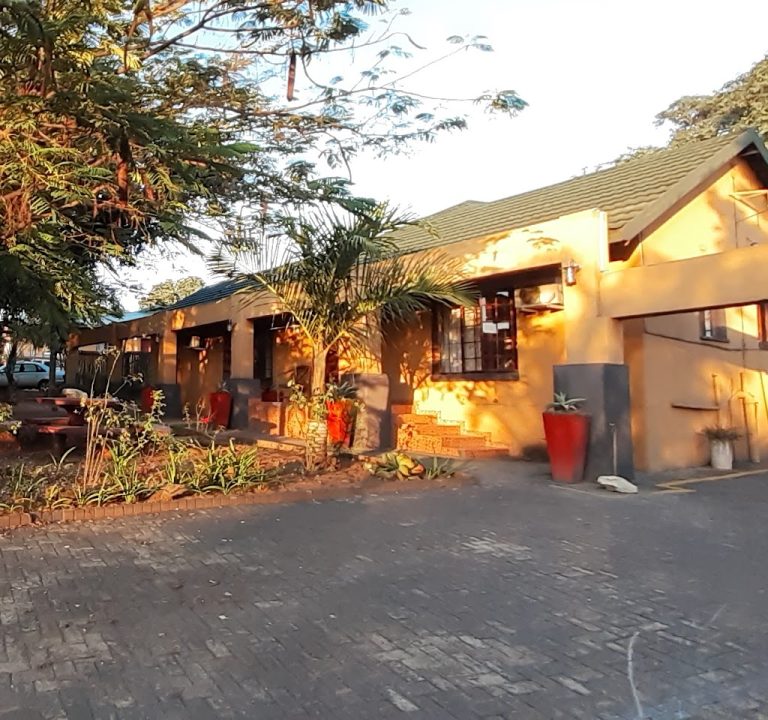
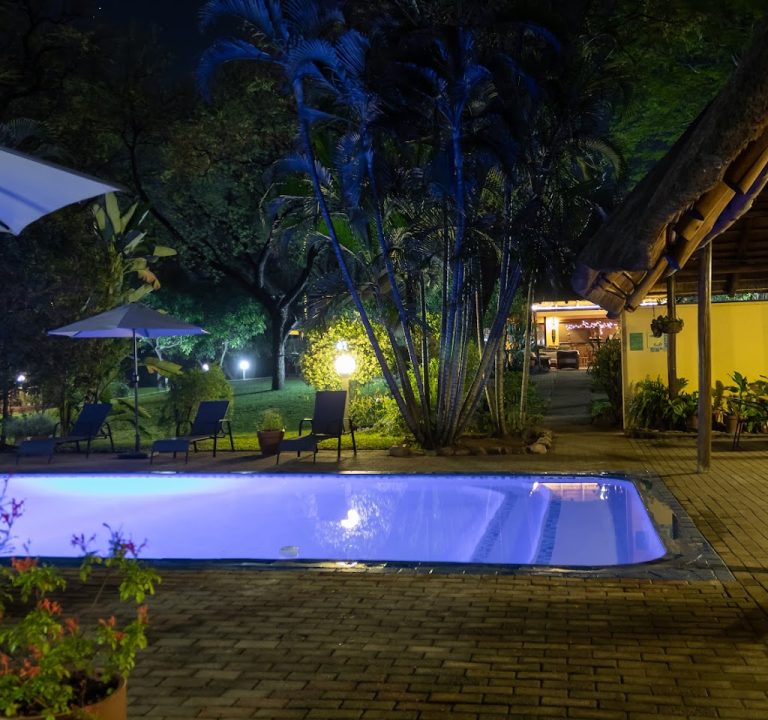
Accommodation options in Phalaborwa range from comfortable guesthouses and intimate lodges to self‑catering cottages and full-service hotels. Many properties emphasise a calm, green setting with features that help you unwind after a day of safari planning. Typical amenities include air‑conditioning or fans for warm evenings, swimming pools, in-room coffee and tea facilities, and Wi‑Fi. Quality properties also offer secure parking, 24‑hour reception, and on‑site or nearby guided safari arrangements. If you’re travelling with family or a group, look for family rooms, larger suites, or self‑contained units with kitchen facilities so you can tailor mealtimes to suit everyone.
Areas to consider include central Phalaborwa, where access to shops and restaurants is easy and you’re still within a short drive of wildlife reserves. Alternatively, opting for a lodge closer to the banks of the surrounding rivers or near the entrance to Kruger’s gates can shorten transfer times for morning game drives and evening strolls. For a more secluded stay, you might choose a property set within a wildlife‑friendly landscape just outside the town, offering a peaceful environment while remaining within reach of essential services.
Transport is an important planning consideration. A rental car is often the most convenient way to move around Phalaborwa and neighbouring reserves, giving you flexibility for early morning departures and late returns from day trips. If you prefer not to drive, you can arrange transfers through your accommodation or a local tour operator. Basic road signs are common, but some routes near park gates can be gravel or uneven, so a comfortable vehicle is advisable. When booking, check parking arrangements and whether your lodge offers airport or shuttle transfers from the nearest regional hub. The closest larger airports typically serve Hoedspruit or Polokwane, with onward road connections to Phalaborwa.
Best time to visit Phalaborwa hinges on wildlife viewing and weather preferences. The dry season, typically May to September, often provides easier wildlife sightings as animals congregate around water sources and vegetation thins out. Mornings and late afternoons are optimal for game drives, with milder temperatures compared with the peak heat of midday. The wetter months bring lush scenery and resident birdlife, but some roads can be slippery, and mosquitoes are more common, so pack suitable clothing and repellents. If you’re combining safari days with outdoor activities like hiking or river walks, plan a flexible itinerary to accommodate changing weather and park hours.
When you book, clarify what is included and what you’ll need to arrange separately. Common inclusions are daily housekeeping, breakfast, and some guided activities such as bush walks or early morning drives; others are strictly room‑only with the option to book meals on site or at nearby eateries. Some lodges offer fully equipped kitchens or kitchenette facilities for guests who prefer self‑catering. If you’re travelling with a vehicle or intend to join guided tours, ask about parking, gate access times for Kruger or other reserves, and whether the property can arrange early departures or late check‑ins around safari schedules.
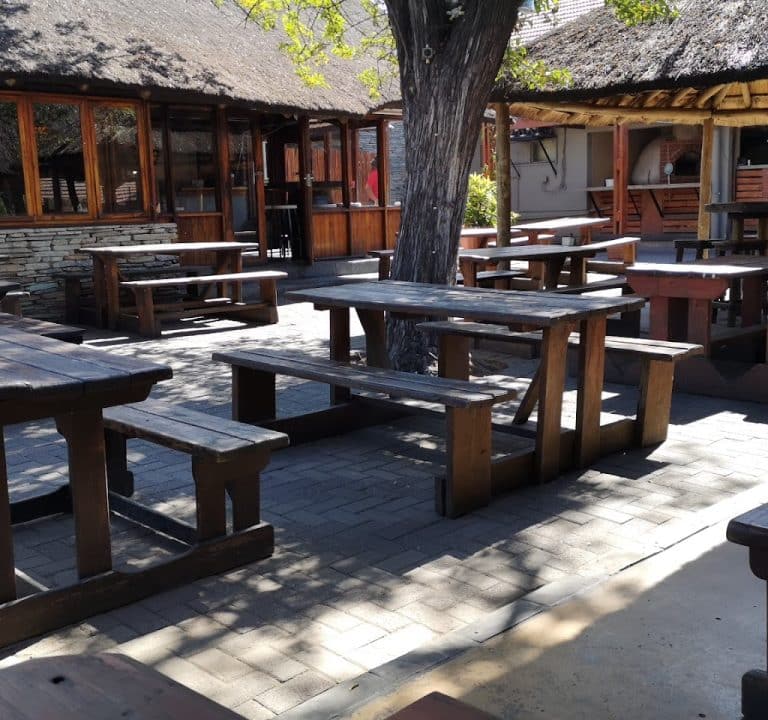
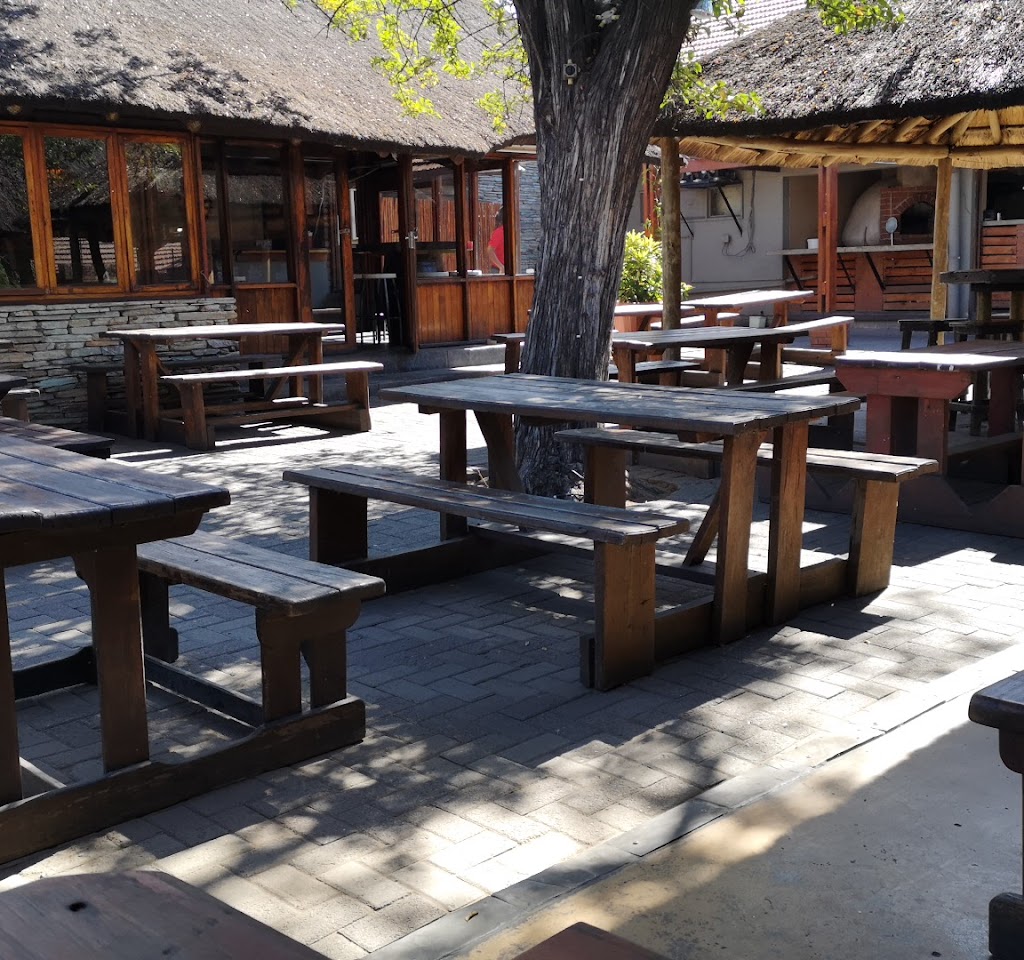
Dining in Phalaborwa runs from informal cafes to more refined lodge restaurants. You’ll find places offering hearty South African favourites alongside lighter options suitable for families and travellers with specific dietary needs. A recommended approach is to plan at least one special meal out to experience regional hospitality and flavours, while also taking advantage of practical, well‑located eateries for quick breakfasts or casual lunches on busy travel days. For those seeking a dedicated dining venue with a reputation for warm service, you can explore local listings and read current guest reviews to get a sense of atmosphere and menu focus. Nearby lodges and guesthouses frequently host organised dinners or bush meals that combine scenery with seasonal ingredients, adding a memorable touch to your itinerary. For a dedicated restaurant experience, you can visit Villa Luso Lodge and Restaurant, which presents a local dining option linked to one of the nearby lodge‑style properties. Villa Luso Restaurant provides a useful reference point for planning meals alongside other activities in the area.
Practical tips to help you get the most from your stay:
- Book well in advance during peak travel periods, especially if you want a specific lodge with river views or close park access.
- Check what wildlife safety provisions the property offers, such as balcony barriers or advice on pet‑free surroundings, particularly if you’re travelling with children.
- Carry insect repellent, sun protection, and a lightweight rain layer, even in dry seasons, as weather can be variable.
- Pack binoculars, a light jacket for early mornings, and a camera with a decent zoom to capture the wildlife and landscapes.
- Budget for inclusive activities: some places offer guided walks and morning drives as part of the package, while others charge extra for activities and park fees.
Phalaborwa makes a practical and rewarding base for a Limpopo itinerary, inviting you to balance relaxing downtime with memorable outdoor experiences. With careful planning around accommodation, transport, and activities, you’ll be well placed to enjoy Kruger‑adjacent safaris, scenic river views, and welcoming local hospitality during your stay.