Accommodation and Exploring Phalaborwa: A Visitor’s Guide to Lodgings, Local Flavours, and Getting About
Phalaborwa in Limpopo sits near the northern reaches of the Kruger National Park, offering a convenient base for travellers who want wildlife experiences alongside comfortable lodgings and practical amenities. Whether you prioritise stylish hotel comfort, a cosy guesthouse, or a self-contained lodge, the town provides a range of options suited to different budgets and agendas. Planning a stay here means pairing your night’s rest with straightforward transport arrangements, sensible sightseeing, and a sense of when to visit for the best game viewing or outdoor activities.
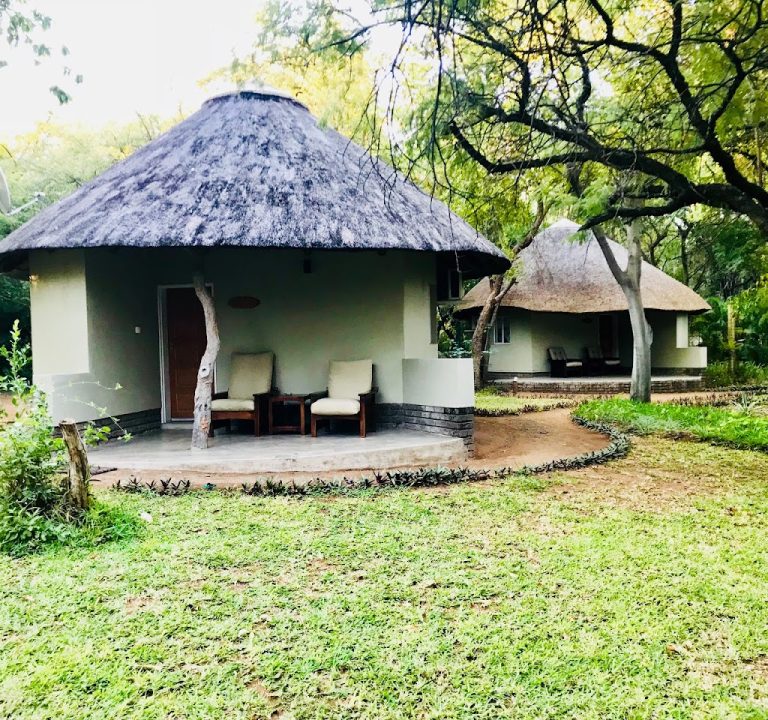
When choosing where to stay, consider the area in relation to your plans. The centre of Phalaborwa is convenient for access to shops, eateries, and information services, while the gateway towns and the nearby Kruger parks offer easier access to wildlife drives and nature trails. If you envision multiple early-morning game drives, a lodge or hotel on the southern edge of town or closer to the wildlife parks may reduce transfer time and maximise morning sightings. For those who prefer a quieter street and a more intimate feel, guesthouses and boutique lodges tucked away from the main roads can provide a relaxing retreat after busy days out in the bush.
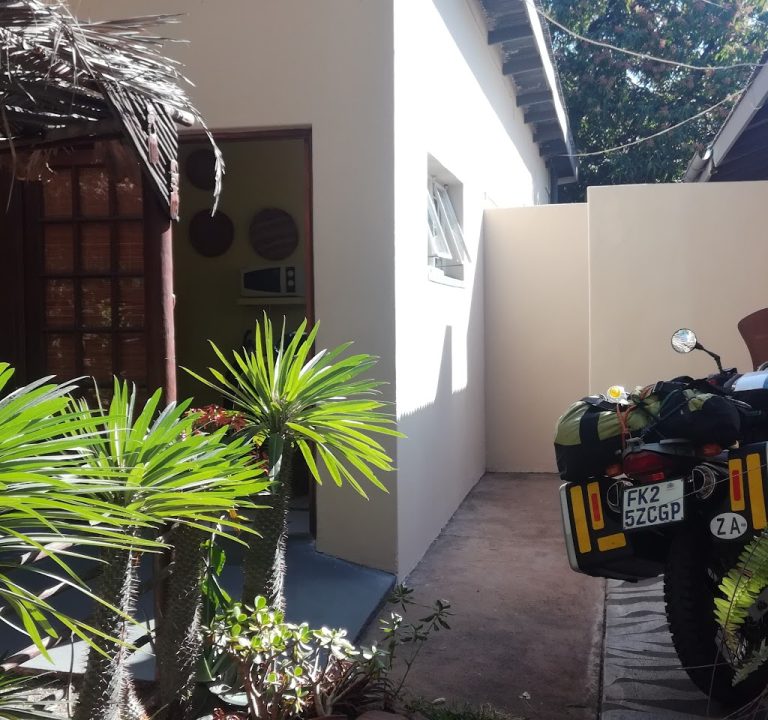
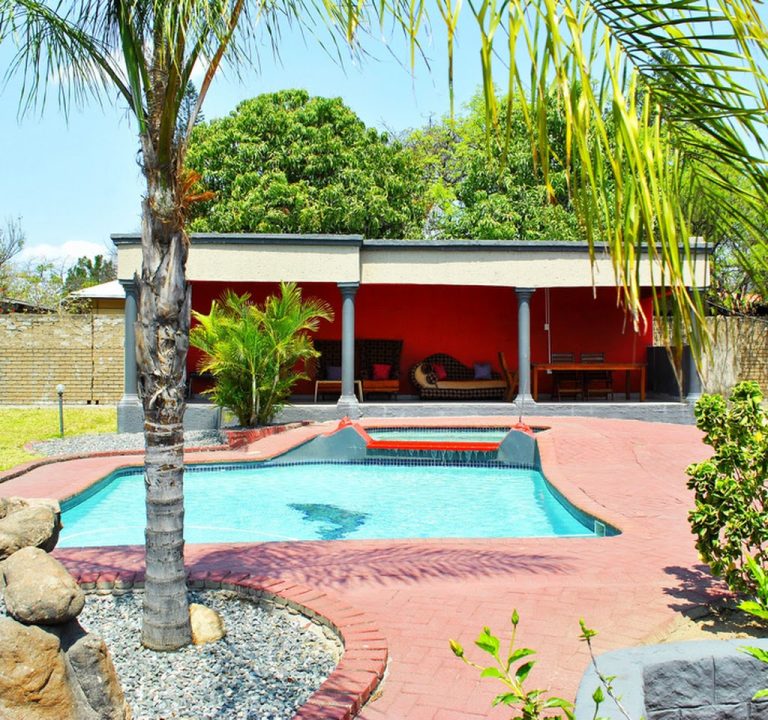
Typical amenities to look for include en-suite bedrooms, air conditioning or fans for the African heat, reliable Wi-Fi, and secure parking. Restaurants on-site or nearby dining options can be a major convenience, as can a pool for cooling off after a day in the sun. For families, check that rooms accommodate extra beds or cots and that child-friendly facilities are available. If you are travelling with equipment for outdoor adventures, verify whether the property offers storage or easy access to the vehicle for early departures to wildlife reserves.
Booking tips help ensure you maximise your stay. It is wise to compare properties by distance to the Kruger or other parks you plan to visit, and by the level of service you expect—from full-service hotels to self-catering lodges. Read recent guest reviews focusing on cleanliness, staff friendliness, and the reliability of breakfast or dinner options. If your itinerary includes early starts, a property that offers a hearty breakfast or flexible dining times can save time. For longer stays, enquire about laundry facilities and the possibility of arranging guided tours or transfers with the reception desk.
Transport is a practical part of planning a stay. Many travellers arrive by air at nearby regional hubs and hire a car for the drive to Phalaborwa. Having a vehicle provides the most flexibility for morning game drives, afternoon wildlife sightings, and day trips to conservation areas or viewpoints. If you prefer not to drive, look for lodges that can organise guided safaris, transfers, and day trips as part of their package. Within Phalaborwa, taxis and shuttle services are available, though schedules can be less predictable than in larger cities, so coordinating with your lodge or hotel in advance is advisable.
The best time to visit depends on your priorities. The dry winter months—typically May to September—offer excellent wildlife visibility as animals congregate around remaining water sources. This period can be cooler for outdoor activities, but mornings and evenings can be chilly, so pack layers. The summer rainy season brings lush landscapes and dramatic skies, with the potential for relief from heat but occasional travel disruptions from storms. Off-peak periods may present quieter lodgings and more personalised service, while peak seasons bring busier parks and more wildlife sightings. Packing for both heat and rain, plus comfortable walking shoes, will help you enjoy a broad range of activities.
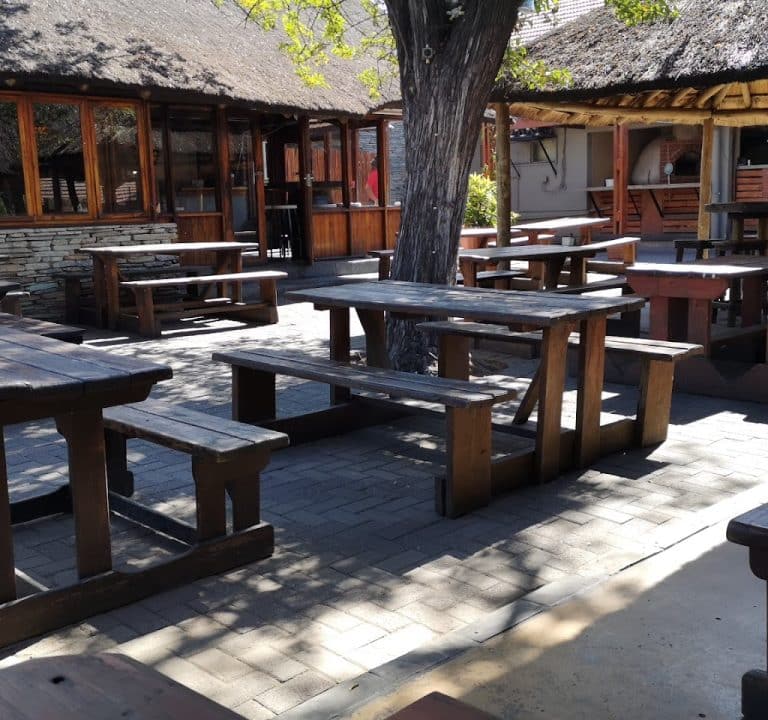
Activities and attractions around Phalaborwa are primarily nature-focused. Proximity to the Kruger Park means straightforward access to guided game drives, self-drive routes, and nature walks in protected areas. Apart from wildlife viewing, visitors can enjoy birdlife spotting, scenic drives, and educational programmes hosted by lodges or park authorities. In town, you’ll find general services and outlets offering snacks, groceries, and meals. Local cuisine often emphasises farm-fresh produce and traditional flavours, with a variety of eateries ranging from casual cafés to more formal dining rooms. For many travellers, evenings are a blend of relaxation at the lodge, a sunset drink on a terrace, and a leisurely dinner before another early start the next day.
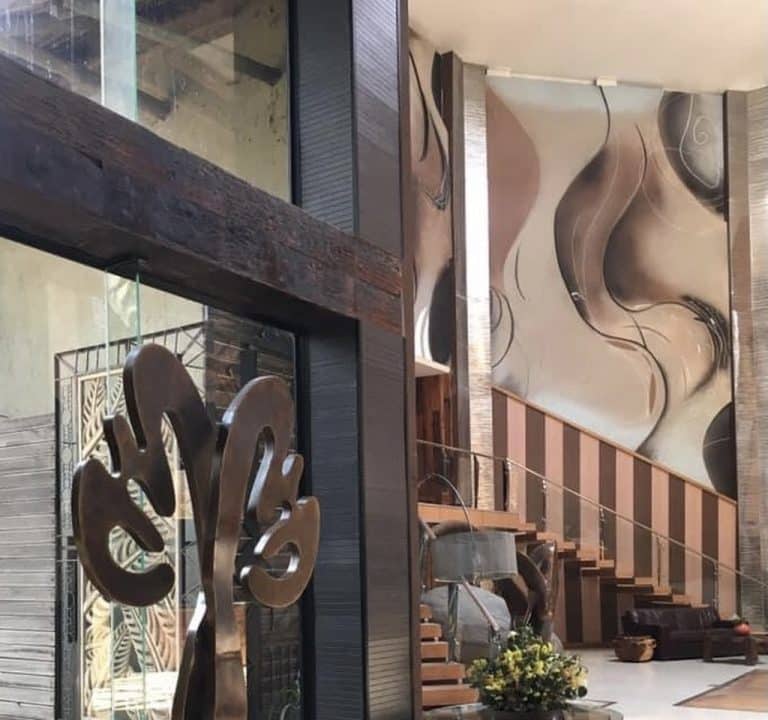
One notable option to consider is accommodation that has its own spa or wellness facilities, given Phalaborwa’s climate and the desire for rejuvenation after long days outside. If you are planning ahead, you can view the website of Hans Merensky Hotel & Spa for details on their services, packages, and location. Their site, which provides an overview of facilities and guest services, can help inform your choice when comparing options across Phalaborwa. Visit: Hans Merensky Hotel & Spa.
Practical tips for a smooth stay in Phalaborwa:
- Book accommodation with clear policies on cancellations and inclusions (breakfast, dinner, guided activities).
- Confirm early-morning or late-evening activity schedules to align with lodge dining times.
- Bring insect repellent, sun protection, and sufficient water for days out in the bush.
- Ensure your vehicle has a full tank before heading to park entrances; plan fuel stops accordingly.
- Check weather forecasts ahead of travel, especially during the rainy season.
In sum, Phalaborwa offers a practical, wildlife-oriented base with a range of accommodation styles, from polished hotels to intimate lodges. By weighing distance to wildlife areas, ensuring essential amenities, and coordinating transport and activities in advance, you can craft a stay that comfortably combines rest, discovery, and the essential rhythms of safari travel.