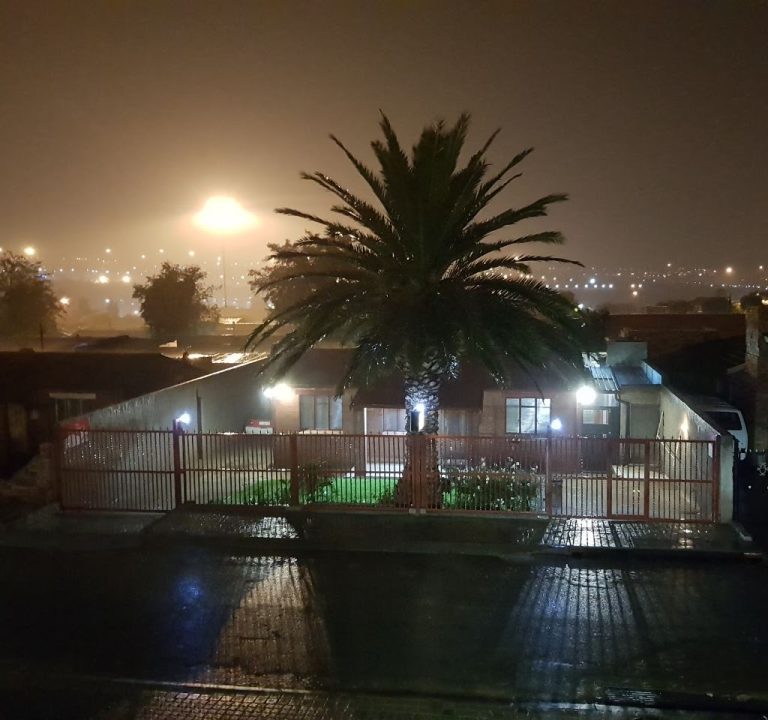
Discover Soweto: where to stay and what to do
Soweto, on the southern edge of Johannesburg, offers a vibrant mix of history, culture and warm hospitality. When planning a stay, consider the neighbourhoods that best suit your interests, from bustling streets close to heritage sites to quieter pockets with easy access to transport connections. A well‑chosen base can help you soak up the atmosphere without sacrificing convenience.
Orlando West and the surrounding areas are popular choices for visitors who want to stay within reach of significant landmarks and lively markets. Vilakazi Street, famed for its historic ties and lively dining scene, tends to attract travellers looking for an immersive urban experience. If you prefer a quieter ambience while still being well connected to central Johannesburg, search for options a little farther from the city centre but near major routes and commuter links. Regardless of location, you’ll typically find a range of guesthouses, hostels and small hotels that offer a friendly, personalised welcome that Soweto is known for.
When choosing accommodation, look for areas with reliable transport access. Soweto is well served by metered taxis, minibus taxis and some city buses; many visitors rely on short rides to reach the sights and dining spots. If you anticipate frequent outings, check whether your choice has easy routes to the main bus corridors or a taxi stand nearby, and whether parking is available if you plan to rent a car. A light, social atmosphere can be found in guesthouses and hostels that include communal areas, where you can swap tips with other travellers and gain practical insights from locals who know the area well.
Typical amenities to expect in well‑run establishments include comfortable beds, clean en suite bathrooms or shared facilities, reliable Wi‑Fi, secure access, and helpful recommendations on local experiences. Some places may offer breakfast options, which can save time in the mornings as you plan your day. If you are travelling with friends or family, look for rooms or suites that offer flexible configurations as well as communal kitchens or living spaces for easy socialising after a day of exploring. For those seeking a more authentic stay, consider homely guesthouses or budget hostels that emphasise guest participation in local practices, tours or community initiatives.
In terms of planning your stay, timing can shape your experience. Soweto has a mild subtropical climate with warm summers and cooler winters. The dry season (roughly May to September) tends to be pleasant for outdoor activities and street markets, while the hottest months can feel intense in the city sun. If you’re keen on cultural events, try to align your visit with local markets or street festivals, but always check ahead for schedules as they can shift from year to year. Shoulder seasons can offer good value and quieter streets, making it easier to explore some of the township’s most visited sites without crowds.
Attractions across Soweto unfold at a human pace. You can expect a blend of historic landmarks, informative museums and engaging public spaces that celebrate resilience, community and creativity. Guided township walks and culturally themed tours provide context and storytelling that bring the streets to life. For those who enjoy outdoor moments, there are parks and green spaces where visitors can pause, reflect and observe daily life in a neighbourhood that continues to evolve. In every corner of Soweto, small galleries, street art and craft markets reveal the region’s vibrant contemporary culture alongside its deep history.
Dining in Soweto runs from traditional eateries serving comforting dishes to casual cafés that invite a quick bite before an afternoon of sightseeing. You’ll find places that focus on hearty, shareable fare and others that specialise in modern twists on local favourites. If you’d like to sample the atmosphere alongside a meal, consider staying near a hub of activity where food stalls and family-run diners cluster together. In addition to sit‑down options, some venues offer takeaway or casual seating that makes it easy to enjoy a late afternoon snack as you wander between sights.
Practical tips to help you maximise your stay:
- Book accommodation with clear information about access and security, and with flexible cancellation in case plans change.
- Factor in travel time between your base and the main sights; plan some routes in advance but leave space for spontaneous discoveries.
- Respect local customs and shop at venues where staff are happy to explain dishes or crafts, and take care of your belongings in busy areas.
- Bring comfortable footwear for uneven pavements and uneven streets, and carry a small water bottle for trail‑like walks and outdoor stops.
- Check currency handling and tipping norms; many places in Soweto welcome card payments, but some cash facilities remain common in markets and smaller venues.
For further inspiration, you can explore official tourism resources that showcase Soweto’s threads of history, culture and contemporary life. These can help you plan a balanced itinerary that includes heritage sites, community experiences and relaxed meals. While navigating options, keep an open mind and let the city’s energy guide your choices. With thoughtful planning, a stay in Soweto can feel both comforting and enlightening, offering a genuine connection to one of South Africa’s most enduring communities.
Website reference: for general planning and ideas, you can visit official South Africa tourism pages and dedicated Soweto guides online. A reputable local hub of information can provide practical tips, suggested routes and current events to tailor your visit.