no-image
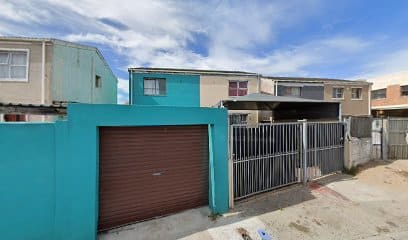
Van der Westhuizen Holiday Resort is a Lodging establishment in Cape Town, Western Cape, South Africa
About Van der Westhuizen Holiday Resort, Cape Town
Van der Westhuizen Holiday Resort is located in Cape Town, in the Western Cape of South Africa, presenting a lodging option within a well-known South African city and gateway to the surrounding scenery and Experiences. The property maintains an online presence that modern travellers routinely consult for updates, information, and happenings related to the resort. The available online footprint visible for prospective guests sits within a social platform that hosts business pages and traveller interactions, rather than a single, traditional hotel brochure.
From the perspective of an external observer, the resort appears to position itself as a base from which visitors can explore the Cape Town area while enjoying a stay that aligns with practical travel needs. The emphasis observed on the online page is less about a granular list of facilities and more about offering a platform for updates, engagement, and direct connection with guests. This approach often suits travellers who value staying in an established local base with the comfort of a contemporary online presence, where information may be refreshed as plans change and new opportunities arise.
In terms of accommodation style and on-site amenities, the information that is publicly visible on the resort’s online profile does not provide a detailed breakdown of room types, in-room facilities, or on-site conveniences. As a result, prospective guests are encouraged to consult the official online presence for the most up-to-date notes and to verify what is currently offered during a intended stay. The absence of explicit specifications means that the resort is best considered by visitors who prioritise responsiveness, access to a social media channel for announcements, and the potential for flexible arrangements rather than a rigid, fully described amenities list.
The resort appears to cater to travellers who are seeking a convenient Cape Town base rather than a purely isolated retreat. The surrounding destination offers a mix of urban and natural attractions typical of Cape Town, with the possibility of day trips and easy access to the city’s famed coastal experiences. For guests prioritising ease of planning, staying in a venue with an active online profile can be advantageous, as it supports real-time updates, guest interactions, and the latest information on events, rates, and availability.
Best suited for travellers who value connectivity and the ability to engage with the property via social media, Van der Westhuizen Holiday Resort provides a practical, approachable option for those exploring the Western Cape. While the precise scope of on-site facilities is not itemised in the public content available, the resort’s online footprint serves as a focal point for information, announcements, and direct communication with the management team, which can be helpful for last-minute changes or personalised requests.
Nearby highlights and experiences commonly associated with Cape Town are not enumerated in detail on the visible online content. However, the resort’s location places visitors in a region renowned for a variety of activities—city sights, coastal outings, and access to nature experiences typical of Western Cape travel. Guests planning a stay may wish to consider researching the wider area to identify beaches, viewpoints, markets, and cultural experiences that align with personal interests and seasonal opportunities. The presence of a social media channel also allows travellers to gauge recent guest feedback and to discover any featured experiences or partnerships that the resort may offer.
Booking and travel tips for potential guests include the following practical considerations, drawn from a curated view of the online presence and common travel planning practices in Cape Town:
- Check the resort’s official online page for current availability, rates, and any seasonal promotions or package offers.
- Review recent guest feedback and posts to understand current conditions, events, or changes in services.
- Plan ahead for peak travel periods, as Cape Town can be busy during holidays and school holidays.
- Consider proximity to desired areas—whether the focus is beaches, city sights, or outdoor landscapes—and confirm transport options and travel times.
- Direct any special requests or accessibility needs through the resort’s online communication channel to receive the most timely response.
For those interested in connecting with Van der Westhuizen Holiday Resort, the primary online touchpoint appears to be its social media presence. This platform provides an accessible avenue for updates, booking considerations, and engagement with staff, helping travellers gauge suitability before confirming arrangements. Prospective guests can visit the resort’s page on the web to explore the latest posts, announcements, and links to any further information or services offered. The page URL is available for those seeking direct navigation to the resort’s online profile.
Cape Town
Western Cape
Strandfontein, Cape Town
South Africa

no-image
Cape Town: Accommodation and Experiences for a Well-Planned Stay
Few destinations rival Cape Town for a mix of natural beauty, culture and coastline, all within reach of comfortable, characterful places to stay. When planning a visit, consider the different neighbourhoods and what they offer in terms of pace, views and access to attractions. From the city’s historic heart to the scenic Atlantic Seaboard and the winelands beyond the suburbs, Cape Town provides a broad palette of lodging—from budget-friendly hostels and guesthouses to boutique hotels and self-catering apartments. One example of approachable lodging is the Van der Westhuizen Holiday Resort, which illustrates the kind of down-to-earth accommodation that can be friendly for travellers seeking a practical base with easy access to nearby sights. For travellers exploring online, you’ll often find spontaneous stays and family-run establishments listed alongside bigger properties, each with its own character and local tips.
Areas to consider include the City Bowl and the Company’s Garden vicinity, where you’ll be close to museums, theatres and the promenade of short walks to the nightlife and cafés. The central area is convenient for day trips and offers a range of room types, from dormitory-style rooms to private en-suites, often with breakfast options or communal kitchens. The Atlantic Seaboard and Camps Bay provide a more seaside ambience, with dramatic ocean views, easy access to beaches and sunset spots, though prices can be higher in peak seasons. Constantia and the southern suburbs feel more relaxed and leafy, ideal for families or travellers who prefer a quieter base while still being a short drive from the city centre and attractions such as wine estates and nature reserves. Budget-conscious travellers can find friendly hostels or guesthouses in less touristy streets, frequently with communal lounges and kitchens that help keep costs reasonable.
When booking, look for clear details about location relative to major sights, transport links and parking provisions. Proximity to MyCiTi bus stops or reliable ride-sharing options makes day trips more straightforward. Check reviews for noise levels, particularly in busy seasonal periods, and confirm the availability of essentials such as free Wi-Fi, air conditioning or heating, and security features. If you’re driving, confirm on-site parking and access to good departure routes for Table Mountain, Cape Point or the Constantia Valley. Many properties list self-catering facilities, laundry services and flexible check-in times—attributes that can simplify a family itinerary or a longer stay.
Typical amenities you may encounter include free or continental breakfast, guest lounges, kitchen facilities, and outdoor spaces with terraces or braai (barbecue) areas. If you’re seeking a more social experience, a hostel or guesthouse with a shared kitchen and regular community activities can be a good fit, especially for first-time visitors who want to meet fellow travellers. For those seeking a touch of luxury, boutique hotels along the Atlantic Seaboard often emphasise design, sea views and attentive service, while remaining mindful of the practical needs of travellers, such as efficient check-in and accessible public areas.
Practical planning tips can help you maximise your time in Cape Town. The best time to visit tends to be spring or autumn, when crowds are lighter and the weather is generally mild. Summer offers long days and vibrant outdoor life, but you should book early for popular self-catering apartments or seafront stays. Autumn and winter bring cooler weather and occasional rain, but offer good-value rates and calmer sightseeing in several areas. Pack layers for the changeable coastal climate, a hat and sunscreen for outdoor excursions, and a comfortable pair of walking shoes for city strolls and Table Mountain routes. If you plan to visit a national park or take a boat trip from the harbour, check seasonal schedules and weather conditions in advance.
For activities beyond your accommodation, Cape Town offers iconic natural and cultural experiences without requiring rigid planning. Cable car rides to the top of Table Mountain provide sweeping views of the city and the Atlantic seaboard, while shorter hikes from the base offer accessible routes for most travellers. Kirstenbosch National Botanical Garden showcases Cape flora in spectacular surroundings, and the neighbouring Constantia Valley presents wine routes and tranquil estates. The V&A Waterfront area blends shopping, dining and historic harbour scenes with occasional street performances and markets. Dining options range from casual cafés and bistros to refined restaurants in more cosmopolitan corners of the city; many venues emphasise fresh seafood, grilled meats and farm-to-table ingredients, with views to match the setting. When selecting restaurants or tours, consider flexible itineraries that balance busy city days with restful evenings back at your lodging.
Sample planning checklist for a 4–5 day stay:
- Choose a base that minimises daily travel to your priorities (beach, mountains, culture).
- Confirm transport options: parking, proximity to public transport, and any required transfers.
- Block time for iconic sights early in the day to avoid crowds, with afternoon for eating spots and markets.
- Balance outdoor activities with indoor downtime to prevent fatigue, especially if visiting in peak season.
- Reserve a couple of meals at highly regarded restaurants or markets, leaving room for spontaneous discoveries.
In sum, Cape Town rewards thoughtful planning: a mix of well-located lodging, clear transport options, and a balance of scenic, cultural and culinary experiences. Whether you choose a cosy guesthouse in a leafy suburb, a self-contained apartment with city views, or a friendly hostel that puts you among other travellers, you’ll find the city’s charm in its geography as much as in its people. Websites and social pages for local stays can be useful for last‑minute availability and genuine guest feedback, while a flexible itinerary will let you enjoy both the iconic sights and hidden gems that make Cape Town such a remarkable destination.
Sorry, no records were found. Please adjust your search criteria and try again.
Sorry, unable to load the Maps API.
Why Claim Your Listing?
Claiming your listing on the B&B Finder directory website is a valuable opportunity for business owners. Here are five reasons why you should consider claiming your listings:
Control Over Business Information: By claiming their listing, business owners can ensure that all the information presented is accurate and up-to-date. This includes details such as contact information, address, pricing, and available services or amenities. Accurate information helps prevent customer confusion and improves overall satisfaction.
Enhance the Listing: Once a listing is claimed, owners can enhance it by adding more comprehensive information and rich media, like high-quality photos and videos. These additions can make the listing more attractive and engaging to potential customers, thereby increasing the likelihood of bookings.
Marketing Opportunities: Claiming a listing can also open up additional marketing opportunities. Owners may be able to participate in promotional campaigns, special offers, and other marketing activities organized by the directory. This can increase visibility and attract more customers to the business.