Accommodation and Experiences in Hluhluwe, KwaZulu-Natal
Hluhluwe, tucked in KwaZulu-Natal near the rolling hills of the Elephant Coast, offers a relaxed base for exploring both the iMfolozi game reserves and the broader Hluhluwe–Imfolozi Park. It is a stone’s throw from diverse landscapes, from savannah to wetland habitats, and it makes for an appealing stay whether you are travelling as a family, a couple, or a small group of safari enthusiasts. When planning your visit, think about how you want to structure your days: do you prefer a self-drive itinerary with flexible breaks, or are you drawn to organised game drives and guided experiences that take the guesswork out of wildlife viewing?
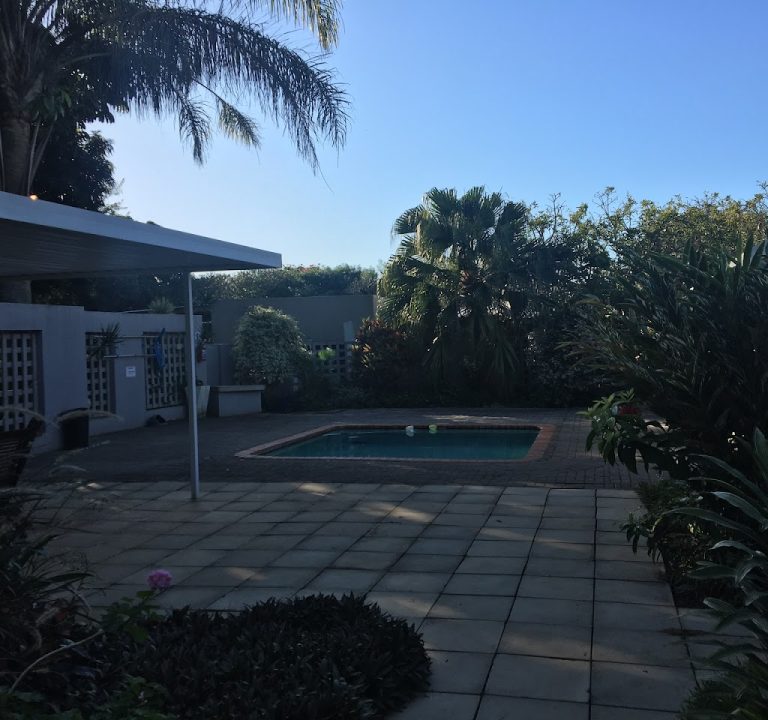
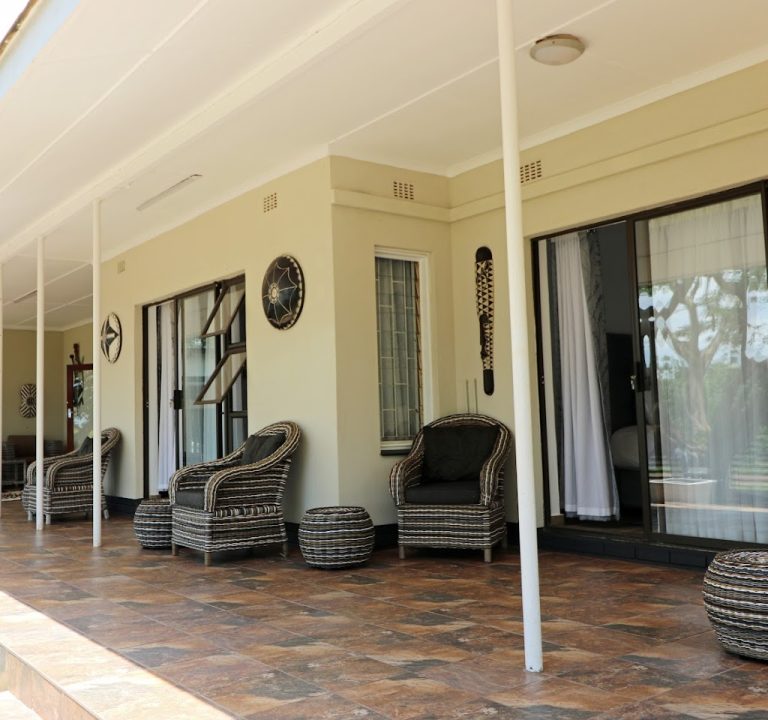
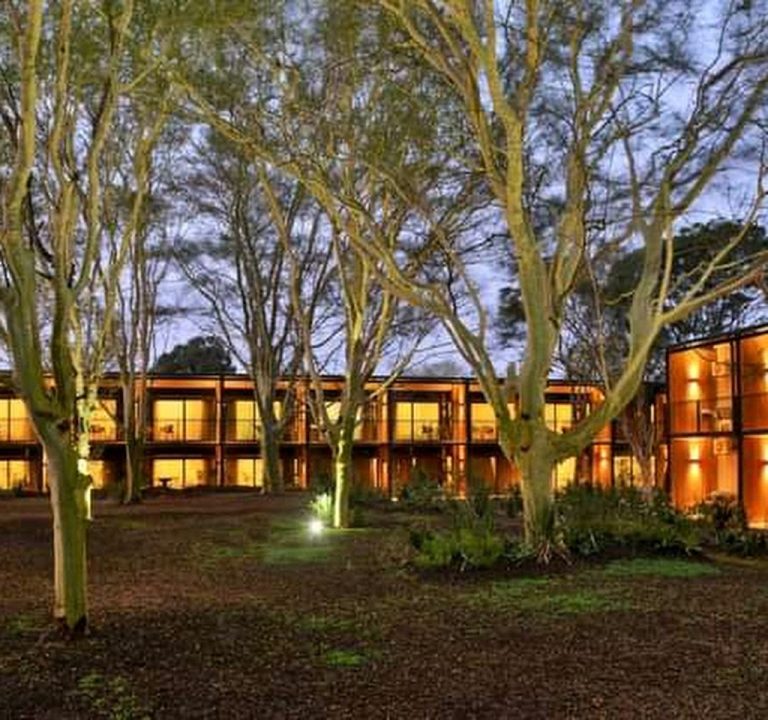
Accommodation options in Hluhluwe range from intimate bed and breakfast stays to welcoming guesthouses and lodge-style properties. A stay at a B&B such as Vakasha B&B (where available information exists) can offer a home-from-home atmosphere with attentive hosts, often including a hearty breakfast that fuels early starts. You will also find traditional guesthouses with rustic charm, eco-lodges that prioritise sustainability, and comfortable self-catering retreats that let you sample local produce at your own pace. When you book, consider the feel you want from your stay: a tranquil, garden-focused setting; proximity to wildlife experiences; or easy access to town centre amenities and transport links.
Areas to consider for your base include:
- Near the town centre, which provides convenient access to shops, restaurants, and casual eateries after a day’s adventures.
- Closer to the reserves, which can shorten morning drives and maximise time on game tracks.
- On larger estates or lodge properties, offering on-site safaris, guided walks, and private viewing opportunities.
What to look for when booking a stay in Hluhluwe includes typical amenities that make a trip comfortable and practical. En-suite bathrooms are a crowd-pleaser for families and groups, while air conditioning or ceiling fans help ease the heat in summer. Consider whether the property offers meals on site—many B&Bs provide a hearty breakfast and can sometimes arrange dinner, which is convenient after a full day outside. A reliable power supply and practical storage (think secure parking, enough space for luggage, and sun-blocking options for outdoor areas) are also worth confirming, especially if you plan to spend long days on safari or in remote settings. For ease, ask about early breakfast options, packed lunches, and any health or dietary accommodations if anyone in your party has specific needs.
Transport is a practical consideration in Hluhluwe. A hire car provides the most freedom for daily game drives, visits to local communities, and spontaneous stops to enjoy birdlife along quiet rural routes. Roads to Hluhluwe are generally good, though some rural lanes may be untarmacked or less well surfaced during the rainy season. If you prefer not to drive, many lodges and B&Bs can arrange guided tours or transfers with reputable operators. Check whether your accommodation offers guest parking, secure overnight facilities, and guidance on safe driving practices in rural areas. Remember that parking and vehicle access may be more limited at some smaller properties, so plan ahead for loading and unloading at arrival and departure.
The best time to visit Hluhluwe hinges on what you wish to experience. The region enjoys warm to hot summers and cooler, dry winters. The dry season (roughly May to September) is popular for wildlife viewing because animals gather around remaining water sources and vegetation is thinner, which often improves sightings. The shoulder months can offer comfortable temperatures and lush scenery after rains. If you enjoy birdwatching, wetland areas can be particularly rewarding after rain. Pack layered clothing: mornings can be cool, afternoons warm, and evenings breezy. Don’t forget a good pair of walking shoes for short nature walks and a hat, sunscreen, and insect repellent for outdoorsy days.
When it comes to activities, Hluhluwe offers more than big five sightings. In general terms, expect guided game drives and bush walks that maximise your chances of spotting wildlife with knowledgeable rangers. Birdwatching, photography, and cultural experiences with local communities add depth to a stay. For non-safari days, you might explore nearby outlets for crafts, enjoy a relaxed lunch at a village restaurant, or take a guided nature walk to learn about the surrounding ecosystems. If you plan a longer itinerary, consider a day trip to protected coastal areas such as wetlands or estuaries, which offer a contrasting landscape and wildlife that is distinct from inland reserves. Always book guided experiences through reputable operators or your accommodation to ensure safety and sustainability.
Practical tips to help you make the most of your visit:
- Respect wildlife and keep a safe distance; follow guide instructions during game drives and walks.
- Pack appropriate gear for outdoor activities, including binoculars, a camera, and a lightweight rain layer for the wet season.
- Check visa and health recommendations before travel; discuss malaria precautions with your doctor if you have concerns, even though the area is generally considered practical for most travellers.
- Arrive with flexible plans. Some days may be weather dependent, and guides can tailor experiences to current wildlife activity and sightings.
- Support local businesses by choosing accommodation with community engagement or locally sourced meals where possible.
For practical planning, you can browse general visitor information and destination tips on official tourism pages, which offer a practical overview of driving routes, conservation ethics, and seasonal highlights. When selecting a place to stay, read recent guest reviews to gauge consistency in comfort, service, and safety. A well-chosen Hluhluwe base can balance restful downtime with exhilarating wildlife encounters, enriching your KwaZulu-Natal experience while keeping you close to the region’s most memorable landscapes, from expansive reserves to the hum of small-town life and nearby dining options that celebrate local flavours.