Accommodation in Hluhluwe, KwaZulu-Natal: where to stay and how to make the most of your visit
Hluhluwe in KwaZulu-Natal offers a distinctive mix of lodge-style accommodation, guesthouses and country inns, all set against the backdrop of the KwaZulu-Natal bushveld and the wider iSimangaliso coastline. The area is well known for its wildlife experiences, particularly between Hluhluwe and iMfolozi, and for easy access to the Hluhuluwe-iMfolozi Park. When planning a stay, consider what you want from your visit: a self‑driven escape, guided safaris, or a peaceful base from which to explore the broader Zululand region.
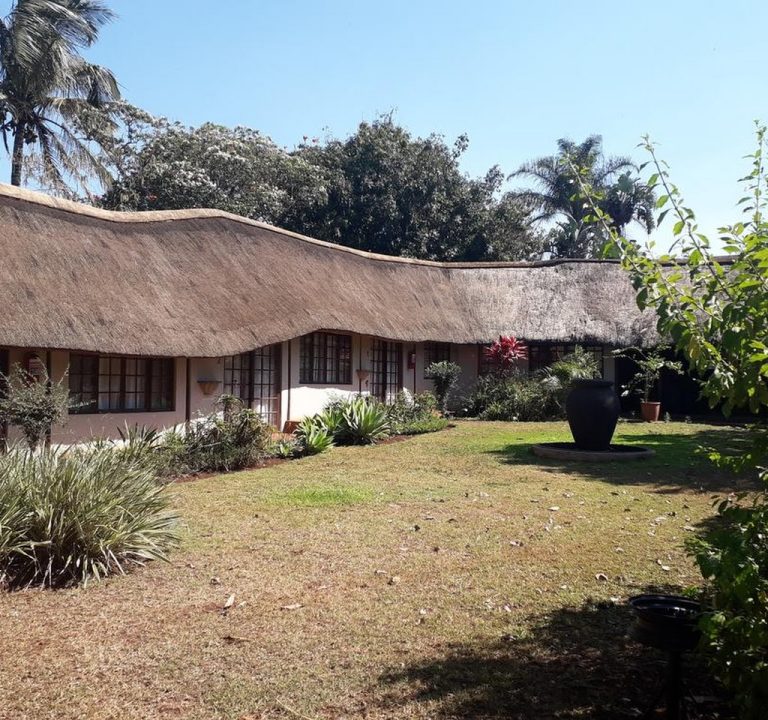
Where to stay can influence how you experience the area. The central Hluhluwe town offers convenient access to shops, eateries and the park gates, making it a practical choice for families or travellers who value quick day trips. For a more immersive experience, lodges and boutique guesthouses on the outskirts provide superb wildlife views, morning game drives, and intimate, personalised service. A lodge such as MSITU KWETU LODGE & SAFARIS, for example, can serve as a comfortable base from which to join guided safaris or explore nature trails, while keeping you connected to local hospitality and culture.
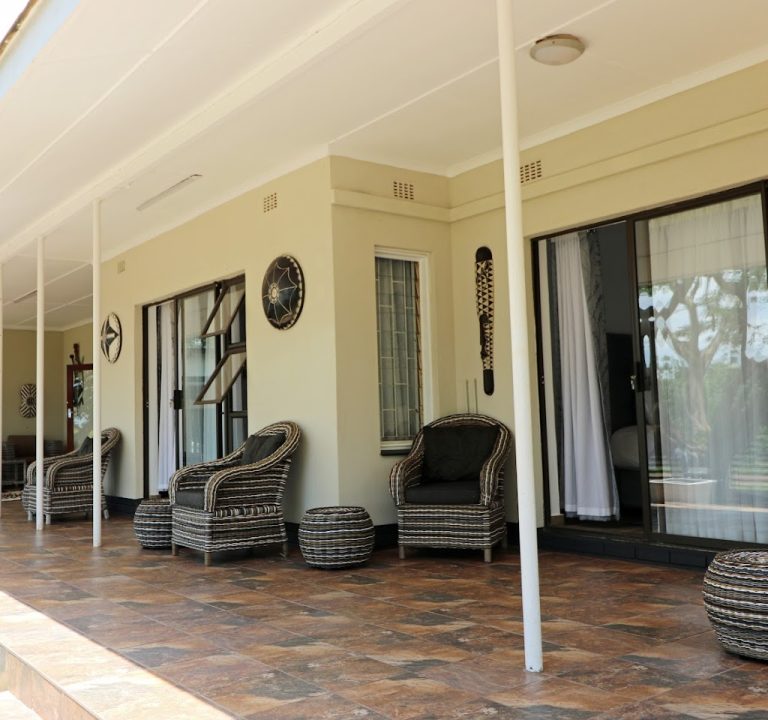
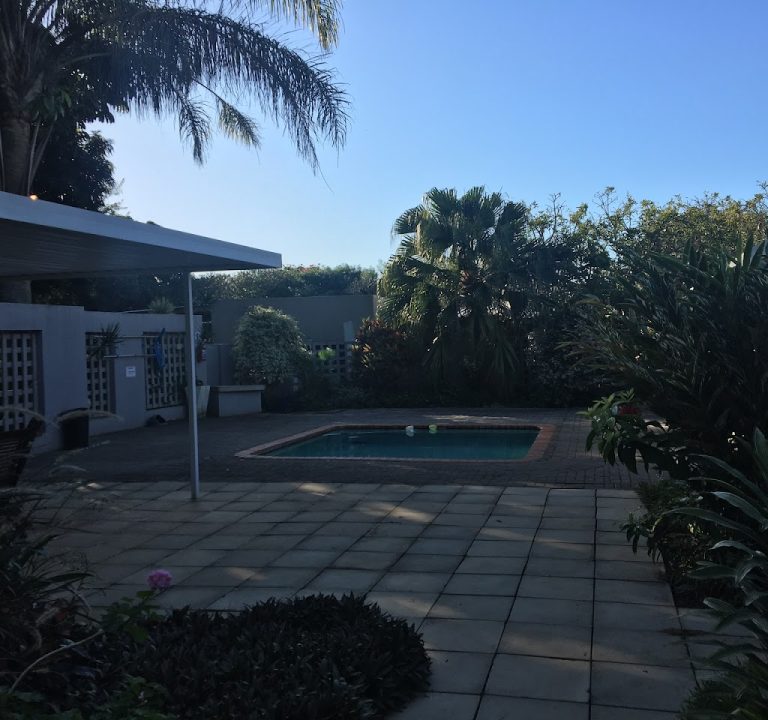
Accommodation types you’ll encounter range from eco‑friendly bush lodges to elegant guesthouses and self‑catering cottages. Look for properties that balance comfort with access to nature—verandas or viewing decks, roomy suites with ensuite facilities, and air‑conditioning or good ventilation for tropical nights. Typical amenities you might expect include private or shared swimming pools, in‑room Wi‑Fi in communal areas, delicious breakfasts, and curated dining experiences. If you’re travelling with young children or older guests, ask about family rooms, baby‑sharing facilities, and accessibility features. Some lodges arrange interpretive bush walks, night drives, or cultural experiences with nearby communities, which can be memorable additions to a stay.
Planning your stay also means thinking about transport. The Hluhluwe area is best explored with a car, giving you the flexibility to roam between parks, viewpoints, and day trips. Self‑driving allows you to pace your schedule and enjoy early morning animal sightings when the light is best. If you prefer a curated experience, many lodges offer guided safaris or transfers to and from nearby airports and railway stations. For travel planning, check proximity to the Hluhluwe‑iMfolozi Park gates, road conditions, and the distance to any day‑trip destinations you have in mind.
When to visit is guided by wildlife and weather. The dry winter months (roughly May to September) tend to offer excellent game viewing as animals congregate around diminishing water sources and the vegetation is thinner. It can be cooler at night and in the early morning, so pack layers. The shoulder seasons—April and October—often provide comfortable temperatures with fewer crowds. The wet summer period (November to March) brings lush landscapes and birdlife activity, though the heat and humidity can be higher; plan for midday breaks when the sun is strongest and consider guided mornings or late afternoon excursions to keep you comfortable.
What to look for when booking goes beyond price. Check reviews for the quality of guiding, responsiveness of hosts, and the cleanliness and condition of rooms and communal areas. Ask about the inclusions of your rate—some properties include meals, safaris, or park fees, while others offer room‑only rates with optional extras. Confirm the availability and timing of game drives, sunset safaris, or guided walks, as these experiences can define your stay. If flying in, ask about airport transfers and whether the lodge can arrange a personalised itinerary that matches your wildlife interests, whether it’s big‑five safaris, birding, or cultural encounters with nearby communities.
Food and dining are a big part of the Hluhluwe experience. Many lodge and guesthouse menus focus on home‑style South African dishes, with seasonal ingredients and a relaxed, convivial atmosphere. If you have dietary requirements, communicate them in advance so kitchens can adapt. You’ll often find an emphasis on fresh seafood and local game meats, paired with South African wines and cool, refreshing drinks after a day afield. For a change of scenery, you can also explore nearby village eateries or informal cafés that reflect Zululand’s hospitality and culinary heritage without straying far from your base.
Attractions and experiences, in general terms, include the Hluhluwe‑iMfolozi Park, where guided drives offer opportunities to spot elephants, rhinos and a variety of antelope, as well as birds and smaller mammals. The broader KwaZulu‑Natal coastline and inland reserves deliver a wider choice of day trips, from organised safaris to cultural tours. Off‑the‑beaten‑path experiences can include community visits, scenic viewpoints, and nature trails that showcase the flora and fauna of the region. If you’re seeking a broader itinerary, you can plan a few days in other Zululand towns or coastal hubs to diversify your wildlife and leisure experiences.
- Pack versatile clothing: light layers for daytimes, a warmer layer for dawn drives, and comfortable walking shoes.
- Bring sunscreen, a hat, insect repellent and a reusable water bottle for outdoor activities.
- Budget extra time for wildlife sightings and flexible schedules in case of early or late safari departures.
- Check park entry requirements and restrictions in advance, and consider a guided option for best chances to see wildlife.
- Plan rest days for travel between lodges and parks, especially if you are visiting during peak season.
For more information and inspiration, you can explore official tourism resources and visitor platforms that cover Hluhluwe and the wider KwaZulu‑Natal region. Whether you favour a quiet lodge with intimate service or a larger, activity‑focused retreat, Hluhluwe offers a range of accommodation to suit most preferences and budgets while providing access to some of South Africa’s most iconic wildlife and landscapes. For practical planning, look for properties with clear gate times, decent Wi‑Fi in communal areas, and a reputation for attentive hosts who can tailor your stay to your wildlife ambitions and pace.