Exploring Ceres, Western Cape: Accommodation, Attractions and Practical Planning Tips
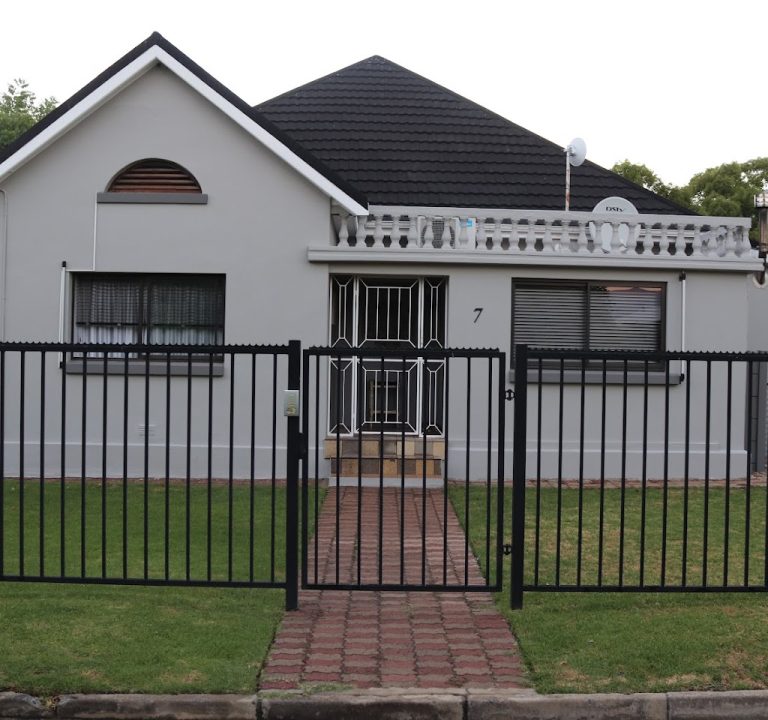
Set in the valley between rugged mountains and a productive fruit-growing landscape, Ceres in the Western Cape offers a calm base for travellers seeking a slower pace, fresh air and simple, well-appointed stays. For visitors exploring the region, options range from comfortable self-catering retreats to guesthouses and small lodges that blend into the rural scenery. If you’re considering a stay at Upper Room Ceres, a self-catering option in the area, you’ll find a flexible base with the conveniences of home, plus opportunities to experience local life at a gentle pace.
When planning a stay in Ceres, think about what you want from your visit. The town serves as a practical hub for exploring the surrounding countryside, so many guests prioritise easy access to routes for hiking, cycling and scenic drives, as well as close proximity to grocery stores and basic services. Self-catering units are popular here because they offer the freedom to prepare meals using fresh regional produce, which aligns well with the area’s agricultural character. If you’re seeking a more social stay, there are guesthouses and smaller lodges that provide shared spaces and delicious, home-style meals on offer.
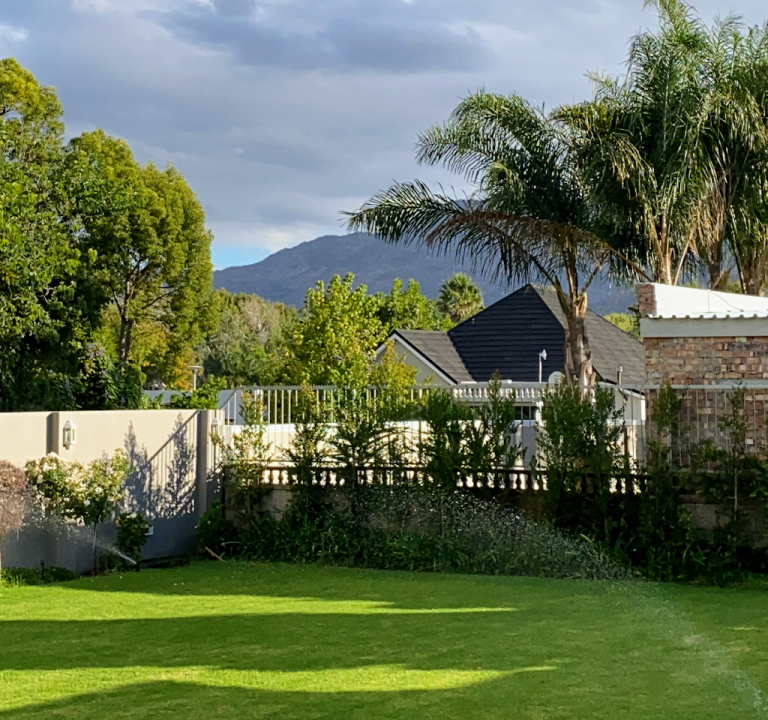
Areas to consider within or near Ceres include the town centre, where you’ll find essential conveniences and a quieter, village-like atmosphere, and the surrounding countryside, which tends to be more peaceful, rural and expansive. A countryside stay can provide panoramic views, terraced fields and easy access to country lanes ideal for morning strolls or late-afternoon bike rides. When selecting accommodation, look for clear details about access to parking, private entrances, and whether the space is self-contained. For families or groups, a unit with separate bedrooms, a well-equipped kitchen and a living area can be especially practical.
Typical amenities to expect in Ceres accommodation include reliable heating or cooling, sufficient lighting for comfortable evenings, well-equipped kitchens or kitchenettes, clean bathrooms with essential amenities, and considerate privacy for guests. Self-catering options will usually supply the basics—fridge, stove, microwave, utensils, crockery and some storage space—while some may offer extras such as laundry facilities, outdoor seating, grills or patios, and Wi‑Fi. Check accessibility features if needed, and confirm whether towels and bed linen are provided, as this can vary between properties.
Transport in and around Ceres is practical but not always heavily serviced by public transit. Many visitors rely on a car to move between the town and surrounding viewpoints or rural lanes. If you’re flying into the region, the closest major airports are a few hours away by road, so plan for a road transfer or a rental vehicle. For shorter stays, a car offers the most flexibility to explore farms, viewpoints and local eateries at your own pace. If you don’t drive, check with your host about proximity to taxi services or arranged tours, and consider staying closer to the town centre for access to essentials.
The best time to visit Ceres depends on what you’re seeking. Spring and autumn bring mild weather ideal for outdoor activities and photography along fruit-wrowing landscapes. Summer offers longer days and the chance to enjoy outdoor meals and scenery, while winter can be cooler and quieter, sometimes with crisp mornings that are perfect for a relaxed start to the day. If you plan to hike or cycle, pack layers to adapt to changing temperatures, and remember that rural roads can be sun-exposed, so sun protection is wise year-round.
Practical tips for making the most of a stay in Ceres:
- Book a self-catering option if you want flexibility to prepare regional produce and enjoy quiet evenings in your own space.
- Ask hosts about nearby markets or shops where fresh fruit, vegetables and local goods are available—these are often highlights of a visit.
- Confirm parking arrangements and entry procedures in advance, especially for properties with separate entrances or gated access.
- Request clear directions to your accommodation and any gate codes or key collection details before arrival to minimise delays.
- Plan a few day trips in advance, but stay open to spontaneous stops along agricultural routes or viewpoints as recommended by locals or hosts.
Activities and experiences in and around Ceres tend to focus on the natural environment and rural life. Expect gentle walking or cycling routes through fruit-growing landscapes, opportunities to visit farms or local markets, and the chance to observe the seasonal rhythms of farming communities. While specific attractions and eateries are best discovered in situ or through recent guest recommendations, most visitors leave with a sense of connection to the land, and with memories of expansive skies and quiet rural beauty. For dining, you’ll often find straightforward, wholesome meals prepared with locally sourced ingredients, either at your accommodation, at nearby eateries, or as part of a guesthouse kitchen offering a comforting home-cooked option.
In short, Ceres makes a thoughtful choice for travellers seeking relaxed accommodation with practical, home-from-home comforts, a scenic setting, and the lure of rural Western Cape life. By choosing a self-catering option like Upper Room Ceres, you gain control over your schedule, kitchen time, and daily rhythm, while still enjoying the warmth and local character of the region. With careful planning, your stay can blend comfortable rest with gentle adventures, creating a memorable, easygoing retreat in South Africa’s Western Cape. For more information, you can visit the property’s website or explore regional tourism resources for updated details on availability and booking.