Where to Stay and What to Do in Ceres, Western Cape
Set in the heart of the Western Cape’s fruit-growing belt, Ceres offers a calm retreat amid olive groves, orchards and rugged highland scenery. Visitors commonly combine a stay in a B&B or country lodge with days exploring the surrounding valley, enjoying farm-to-table meals, and setting out on easy to moderate walks or scenic drives. Whether you favour a cosy bed-and-breakfast, a rural guesthouse, or a small lodge with rural charm, Ceres presents a welcoming base for both short breaks and longer weekends.
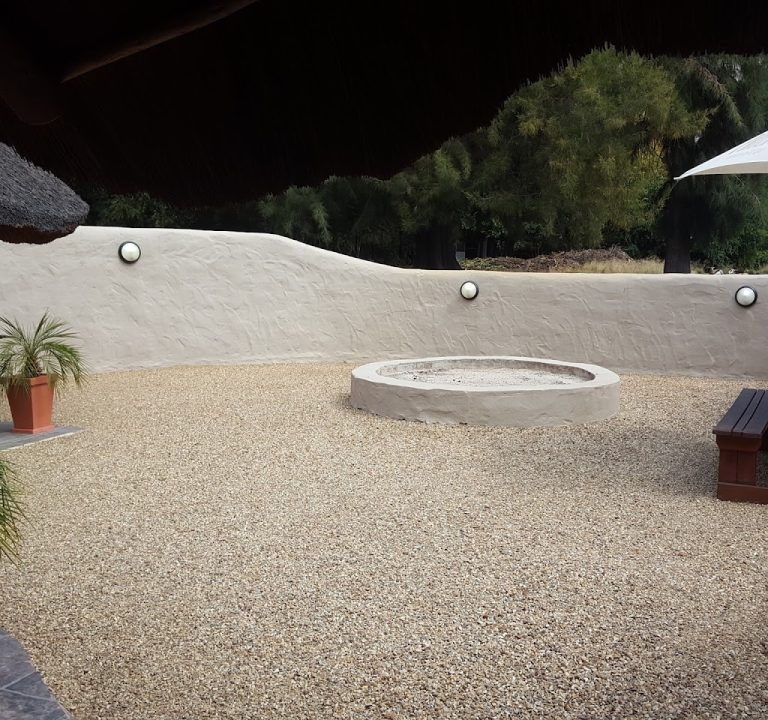
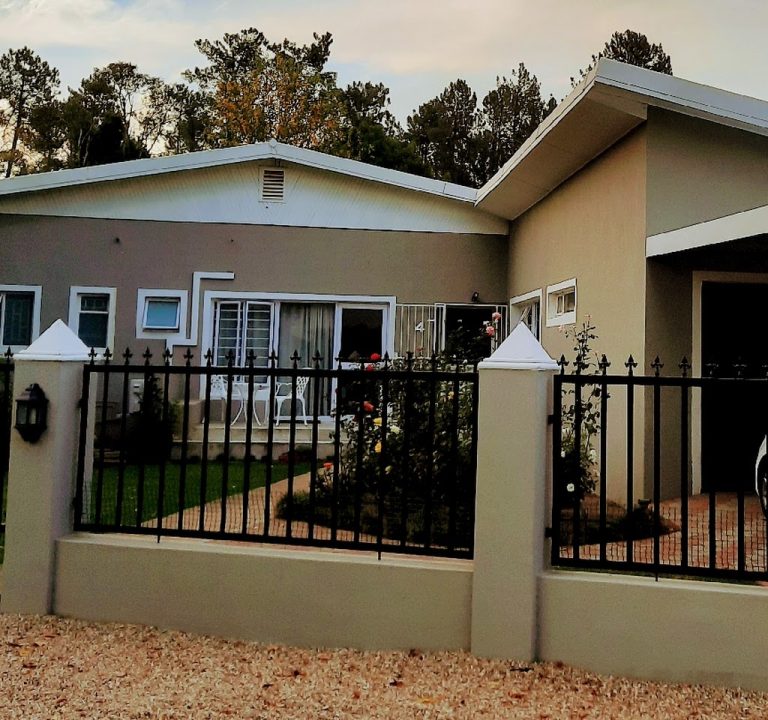
Accommodation in Ceres ranges from traditional B&Bs housed in characterful homes to intimate countryside lodges perched along the valley floors or neighbouring hills. Riverside Lodge Ceres, for example, provides a comfortable, home-from-home option with a riverside setting and easy access to attractions in and around town. When planning your stay, look for properties that offer a relaxed breakfast service, clear access to parking, and the sort of personal touches that come from hosts who know the area well. Many guesthouses and lodges in the region emphasise a warm welcome, quiet gardens, and a discreet, attentive approach to guests’ needs.
Areas to consider when choosing your base include the town centre, where easy access to shops and cafés can save time, and the river or farmland-adjacent zones, which often deliver a more tranquil, scenic ambience. If you prefer a shorter walk to public transport or a quicker drive to rural trails, search for distances to major roadways and to the nearest town amenities. Some hosts offer guided walks or cycling routes; these can add value to a stay without needing to hire a car every day.
Typical amenities to look for include comfortable en-suite rooms, reliable heating or cooling, and a private or shared guest lounge. Many properties in the region offer generous breakfasts featuring seasonal fruit and regional staples, plus options for light lunches or evening meals if arrangements are available. Wi‑Fi is often included, though your signal strength may vary in remote rural corners. A garden or outdoor seating area, secure parking, and a friendly, knowledgeable host who can point you to local trails, farmers’ markets and seasonal fruit picking are especially welcome. If you plan to move around by car, confirm parking arrangements and accessibility of entrances, particularly for guests with mobility considerations.
Transport in and around Ceres is most straightforward with a private vehicle. The surrounding valley roads offer scenic drives that reveal fruit farms, rolling hills and picturesque viewpoints. If you prefer not to drive, check whether your accommodation can arrange transfers or suggest reliable local transport options. In peak harvest periods and on weekends, traffic can increase as visitors explore the region, so it’s worth planning extra time for transfers and day trips.
The best time to visit Ceres depends on what you’d like to experience. Spring and early summer bring vibrant blossoms, while late summer and autumn are perfect for fruit-season charm and harvest-inspired menus at local eateries. Winter can be quieter, offering a cosy atmosphere indoors with warm meals and fireside evenings. For outdoor activities, dry spells are preferable for hiking and road trips, but the region’s scenery remains appealing year-round.
When planning a stay, practical tips can help you maximise your visit. Book early if you’re visiting during school holidays or harvest season, as popular rural properties fill up quickly. Pack adaptable clothing for changeable mountain weather—layers work well since mornings can be cool and afternoons warmer. Bring a reusable water bottle and comfortable footwear for walks on farm tracks and valley paths. If you plan to visit farms or markets, allow extra time for tastings and conversations with hosts who can share insights about seasonal fruit and traditional farming practices. And don’t forget a camera: the Ceres valley offers approachable landscape that rewards relaxed exploration.
For a flavour of the local hospitality, consider a stay that emphasises not just a room, but an experience. Riverside Lodge Ceres, for example, presents a framework for a restful break with a focus on comfort and a sense of place. Guests often value the opportunity to unwind by the river after a day of light adventures and to enjoy friendly, attentive service. The property’s website provides practical details about facilities and arrangements, helping you plan stay dates, meal options, and any special requirements. More broadly, many Ceres accommodation providers promote a supportive atmosphere for visitors seeking a peaceful retreat or a convenient base for day trips into the surrounding countryside.
When you’re ready to step out, you’ll find a gentle variety of attractions and activities in the area. Expect to encounter open farmland, woodland trails, and uninterrupted views across the valley. For dining, look for eateries that showcase seasonal ingredients and local produce, often offering hearty home-cooked dishes and light modern fare to suit a range of tastes. While some venues specialise in rustic country hospitality, others provide more contemporary settings with relaxed atmospheres. Overall, Ceres tends to deliver a laid-back, country-lodge experience that complements its natural surrounds.
Website reference: Riverside Lodge Ceres — http://riversideceres.co.za/
- Plan ahead and book an accommodation with clear access to the valley’s trails and viewpoints.
- Choose a base that aligns with your preferred pace—quiet rural charm vs. central town convenience.
- Look for hosts who can offer practical tips on local markets, seasonal fruit, and short walking routes.
- Pack for variable weather and flexible days in the countryside.