Umhlanga: Accommodation and experiences in KwaZulu-Natal
Umhlanga, on the north coast of KwaZulu-Natal, offers a welcoming blend of sandy beaches, modern comforts and easy access to a range of attractions. For visitors seeking a guest house experience with a personal touch, a property such as Umhlanga Karibu within the Sugar Coast region can provide a comfortable base from which to explore. When planning a stay, think about location, type of accommodation, and the kind of experiences you want to enjoy, from beach days to coastal walks and family-friendly outings.
Areas to consider when choosing where to stay: central beachfront and promenade areas for quick access to the sea, quieter residential pockets closer to nature reserves, and convenient access to shops, dining, and transport links. Proximity to Umhlanga’s sandy shore makes a big difference for early-morning walks or sunset strolls. If you prefer a peaceful setting with a short drive to main attractions, a guest house tucked away from the main thoroughfares can offer greater privacy while still being within easy reach of restaurants and cycle paths.
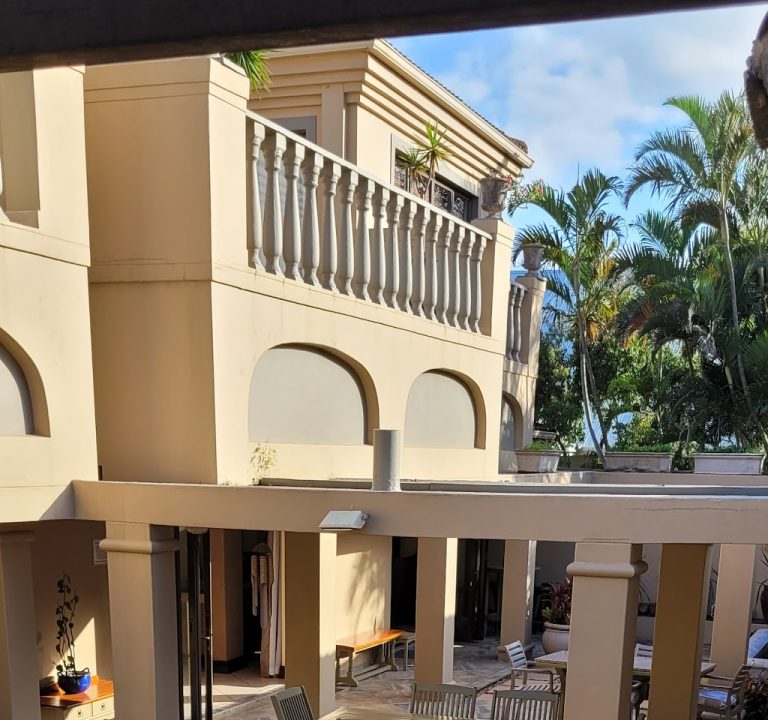
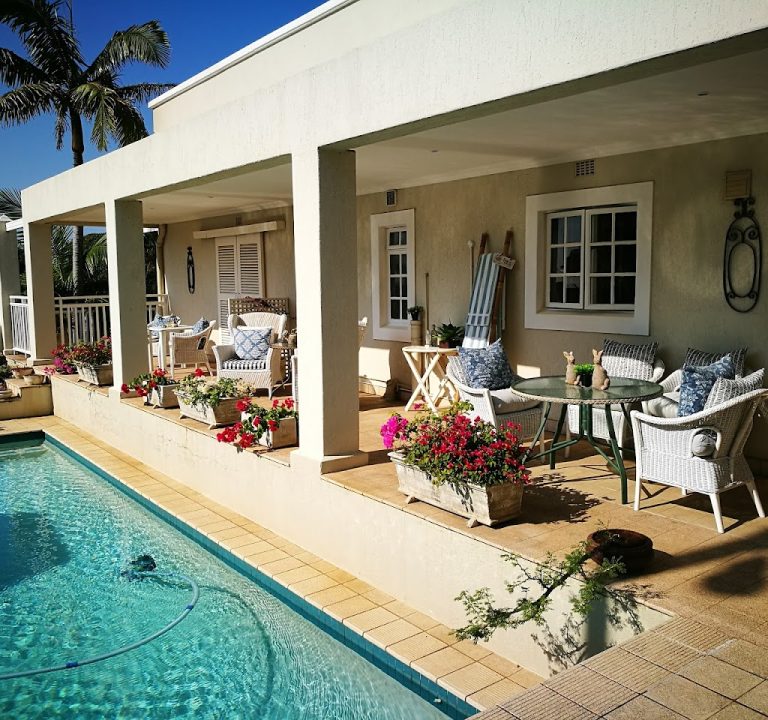
Typical amenities to look for include en-suite rooms, secure parking, reliable wireless internet, and thoughtful touches such as daily housekeeping, guest lounge spaces, and generous breakfast options. Many guest houses in this area also provide shade and outdoor seating, which is ideal for warm KwaZulu-Natal evenings. If you travel with family or a group, check for family rooms or larger suites, and ask about child-friendly services or nearby activities suitable for different ages.
Transport and getting around: the Durban North and Umhlanga area enjoys good road connections and taxi or rideshare services, making it straightforward to reach quick escapes along the coast or into neighbouring towns. If you plan to hire a car, a guest house with off-street parking can be very convenient. For longer stays, confirm whether the property offers shuttle options or local guidance on safe, scenic routes for walking or cycling along the promenade and coastal paths.
The best time to visit Umhlanga is influenced by the subtropical climate. Summers are warm and humid with plenty of sun, making the coastline ideal for swimming and water-based activities. Winters are mild and drier, offering pleasant conditions for outdoor exploration and enjoying meals on shaded patios. Shoulder seasons can be excellent for quieter streets, more affordable rates, and comfortable temperatures for sightseeing. If you are keen on seasonal marine life or specific weather windows, plan a little flexibility into your itinerary.
Before you book, consider a few practical tips. Confirm what is included in the rate—some guest houses offer breakfast or even full-board options, while others provide light self-service facilities. Check cancellation policies and any seasonal surcharges, particularly during peak holiday periods. If you have mobility needs, verify accessibility features such as step-free entry, wide doorways, and ground-floor rooms. Look for safe neighbourhoods and read recent guest reviews to gauge the consistency of service and cleanliness. A stay in Umhlanga can be enriched by planning a mix of shore time, leisurely meals, and a few local experiences that showcase the region’s character.
What to pack and wear: light clothing for daytime, a light jacket for cooler evenings, sun protection, and comfortable footwear for walking on the promenade or in landscaped parks. If you plan to explore beyond Umhlanga, bring a good map or a data-enabled device to help navigate coastal routes, nature reserves, and nearby towns. Consider a small daypack for beach trips and a reusable water bottle to stay hydrated during outdoor activities.
Attractions and experiences in general terms: Umhlanga is known for its scenic coastline, protected nature areas nearby, and easy access to a mix of beachside relaxation and family-friendly outings. Visitors often enjoy gentle strolls along the promenade, beach days with lifeguard supervision during the season, and scenic views from coastal viewpoints. For cultural and historical context, you can explore the wider KwaZulu-Natal region, where visits to nearby towns and coastal towns offer a sense of local character, crafts markets, and opportunities to sample regional cuisine. Many guests combine their stay with day trips to larger cities or coastal towns for additional shopping, dining, or nature-based activities such as birdwatching and coastal hikes.
Dining options in and around Umhlanga typically range from casual beachfront cafés to more refined restaurants, many of which celebrate local seafood and flavours inspired by coastal living. When booking, you may find venues offering seasonal menus, locally sourced ingredients, and inclusive tasting experiences. It is worth asking your accommodation hosts or front desk for recommendations on places that suit your tastes, whether you prefer a relaxed lunch after a morning on the shore or a sit-down dinner with a view of the sea.
Practical planning tips for a smooth stay:
- Book in advance during peak seasons to secure a room that matches your preferences and budget.
- Ask about breakfast options, parking, and access to common areas such as lounges or outdoor spaces.
- Inquire about local transport options or recommended walking routes for pleasant, safe exploration along the coast.
- Check for family-friendly facilities if travelling with children, including room configurations and safe play spaces.
- Consider combining your base stay with a few guided or self-guided experiences that showcase coastal scenery, nature, and local dining.
In summary, a stay in Umhlanga blends beachside relaxation with the convenience of modern amenities, a gateway to KwaZulu-Natal’s subtropical splendour. Whether you choose a friendly guest house such as Umhlanga Karibu or another property within the Sugar Coast network, you can expect a warm welcome, comfortable accommodation, and access to a diverse range of experiences that highlight the region’s coast, culture, and cuisine. For further inspiration and practical planning, you may visit regional travel resources and the Sugar Coast information hub to discover areas to explore and practical tips for your visit.