Accommodation and Attractions in uMhlanga, KwaZulu-Natal: A Practical Guide to Planning Your Stay
uMhlanga, on KwaZulu-Natal’s north coast, blends sun‑washed beaches with a relaxed village vibe and easy access to Durban’s urban attractions. Whether you seek a cosy bed and breakfast overlooking the sea, a stylish guesthouse tucked in a leafy lane, or a modern hotel near the main promenade, you’ll find options that suit most budgets and travel styles. When planning a stay in uMhlanga, think about location, the rhythm of your days, and how you prefer to balance beach downtime with restaurants, shops, and easy day trips.
Areas to consider when choosing accommodation include the beachfront stretch around the main uMhlanga Beach and Rocks area, which offers convenient access to the promenade, sandy shores, and stroll-friendly evenings. The Umhlanga Village hub is another popular choice, close to cafes, boutique shops, and handy transport links. If you prefer a quieter, residential ambience, options a short drive inland can still place you within easy reach of the coast while typically offering a calmer setting and more intimate hosts. When researching, note how each property positions itself in relation to the sea, the Ridgeside hills, and the main road that links to central Durban and other coastal towns.
Booking considerations should cover the type of stay, cancellation terms, and the level of interaction with hosts. Bed & breakfast properties, such as Ocean View on the Rocks, often emphasise personalised hospitality, home-cooked breakfasts, and local recommendations. Guesthouses and small hotels frequently provide a cooked breakfast or a continental option, with additional facilities like on-site parking, Wi‑Fi, and in-room amenities. In contrast, larger hotels may offer more extensive dining options and a broader range of facilities such as fitness spaces or conference rooms. Read recent guest reviews focusing on consistency, cleanliness, and the responsiveness of management to dietary or mobility needs. Confirm whether the booking includes beach proximity, private entrances, or self-catering facilities where relevant.
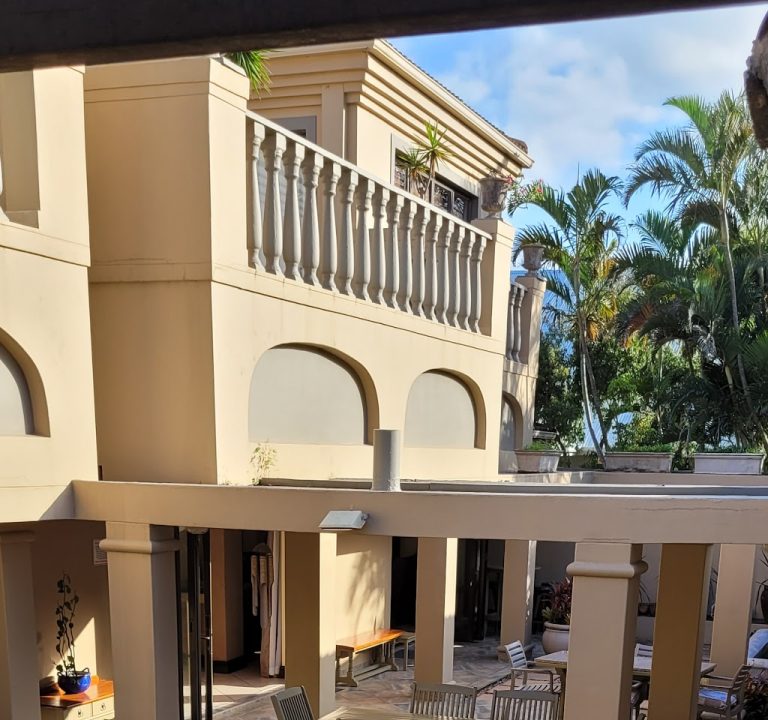
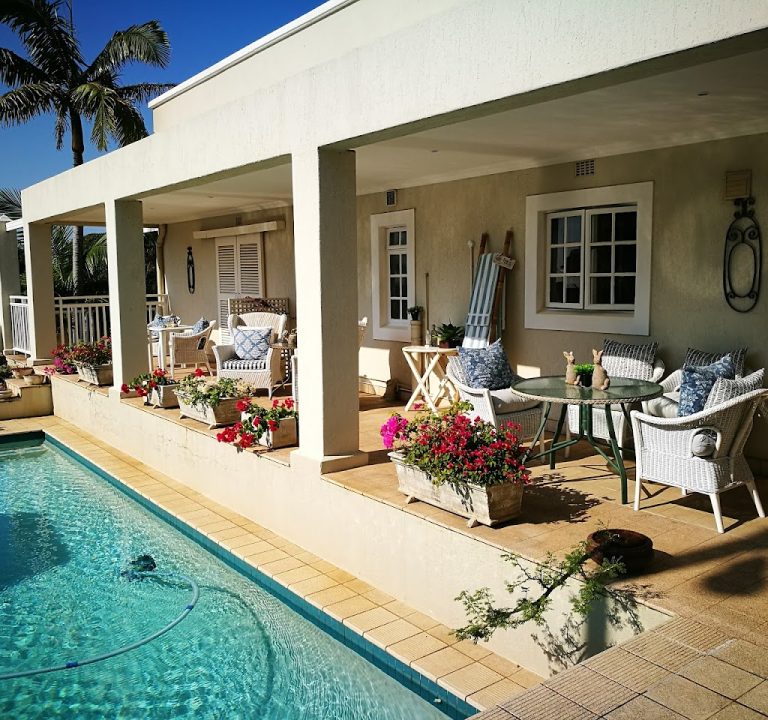
Typical amenities to look for include reliable air conditioning for KwaZulu-Natal’s warm days, ceiling fans where temperatures are cooler at night, en-suite bathrooms, and comfortable seating areas. A reliable Wi‑Fi connection is often essential for travellers who work remotely or need to stay connected. Parking availability is important, particularly if you plan to hire a car or explore nearby towns. Some travellers appreciate small touches such as a shaded outdoor area, a veranda with sea views, or a communal courtyard. Inquire early about breakfast times, photo opportunities on the terrace, and flexibility around late arrivals or early departures.
Transport options in uMhlanga are straightforward. Most visitors arrive by road; a car provides maximum flexibility to explore beaches, coastal paths, and inland attractions. Local taxis and ride‑hailing services operate in the area, and some accommodations can arrange airport transfers or guided day trips. If you rely on public transport, check proximity to bus routes or the closest taxi ranks. The area is walkable along the promenade, where you can enjoy the sea breeze, souvenir shops, and casual eateries. For day trips, Durban’s Golden Mile, the uMhlanga lighthouse area, and the nearby Dolphin Coast can be accessed with relative ease by car or guided tour. If you’re visiting during peak season, plan activities for early mornings or late afternoons to avoid crowds and heat of the day.
The best time to visit uMhlanga generally aligns with its warm, subtropical climate. Summers (roughly October to March) bring long days and sea-friendly conditions, though occasional tropical rain is possible. Winter (May to August) is drier and milder, ideal for wallking the coastal paths without the peak beach crowds. Consider the weather for outdoor meals, sea swims, and nature excursions. If you plan outdoor dining or beach days, bring sun protection, light layers for breezy evenings, and a small waterproof bag for sudden showers.
Practical tips to enhance your stay:
- Book accommodation with sea views or easy access to the promenade to maximise beach time.
- Check cancellation terms and any minimum‑stay requirements for peak periods.
- Pack a lightweight jacket for evenings by the sea and sunscreen for daytime hours.
- Ask hosts about nearby nature walks, safe swimming beaches, and reputable eateries to try during your stay.
- Carry a map or offline navigation reference since some lanes around the coast can be confusing for first‑time visitors.
When exploring attractions and dining, it is sensible to stay flexible. The coast offers natural splendour such as long beaches, scenic walks, and coastal viewpoints, alongside a village centre that supports casual dining, cafés, and bakeries. Restaurants generally provide a mix of seafood-forward fare and contemporary dishes; many places are known for warm hospitality, relaxed dress codes, and a focus on seasonal, locally sourced ingredients. For day itineraries, plan a gentle start with a seaside stroll or a morning coffee on the terrace, followed by a relaxed lunch in the Village or a casual beachfront spot, and reserve evenings for sunset walks along the promenade or a tasting experience at a nearby eatery.
In summary, a stay in uMhlanga can be as tranquil or as lively as you wish, with accommodation options ranging from intimate B&Bs to more contemporary lodges or boutique hotels. By prioritising location, clear booking terms, and practical amenities, you’ll set yourself up for a smooth, enjoyable visit, with easy access to beaches, shopping, dining, and gentle excursions that showcase the region’s coast and hospitality. If you’d like a personalised two‑to‑three day plan, I can help tailor an itinerary around your interests, preferred pace, and budget.