Accommodation and attractions in Cape Town: where to stay and how to plan your visit
Cape Town offers a vibrant mix of neighbourhoods, from harbour-side hotel precincts to leafy suburbs and hilltop viewpoints. When planning a stay, consider what you want most from your base: easy access to sights, beach time, or a quieter residential atmosphere. A guesthouse or boutique hotel can provide a personalised feel, while self‑catering apartments offer flexibility for longer breaks. A well‑chosen location can cut travel time, maximise daylight hours, and put a range of experiences within easy reach.
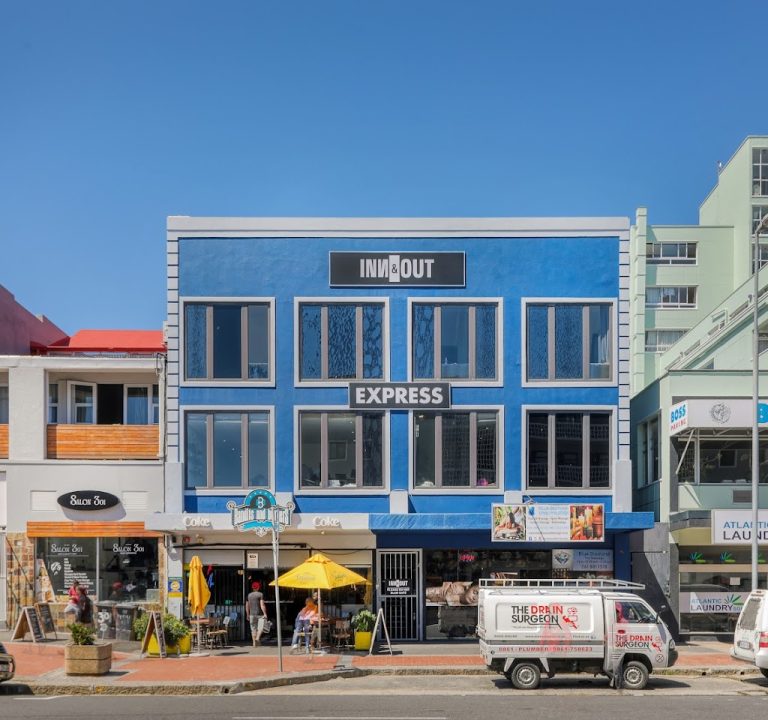
Areas to consider include the historic City Bowl and the vibrant central neighbourhoods for striking architecture and compact walkability; the Atlantic Seaboard, including Camps Bay and Clifton, for dramatic sea views and sunset strolls; and the Constantia valley or neighbouring southern suburbs for vineyards and tranquillity. If you want easy access to Table Mountain’s cableway, the Tamboerskloof and Gardens areas can be particularly convenient; for a more family‑friendly stay with easier parking, consider the southern suburbs such as Rondebosch or Claremont. Each area has a distinct character, and many guest houses blend a personalised home‑from‑home experience with locally informed tips and guides.
When booking, a few practical considerations will save time and help you enjoy your stay. Look for hosts or properties that are transparent about location, parking, and access by public transport. If you anticipate early starts for day trips, check whether breakfast is available early or whether you can arrange a quick takeaway. For longer visits, confirm whether there is laundry access or a small kitchen onsite. The best options combine clean, comfortable rooms with thoughtful touches—Sensible bedding, good lighting for reading, reliable Wi‑Fi, and en‑suite bathrooms are all worth prioritising. If you value a sense of place, a guest house run by a local family or with a small, curated staff can offer insights into hidden cafés, markets, and sister attractions beyond the usual tourist routes.
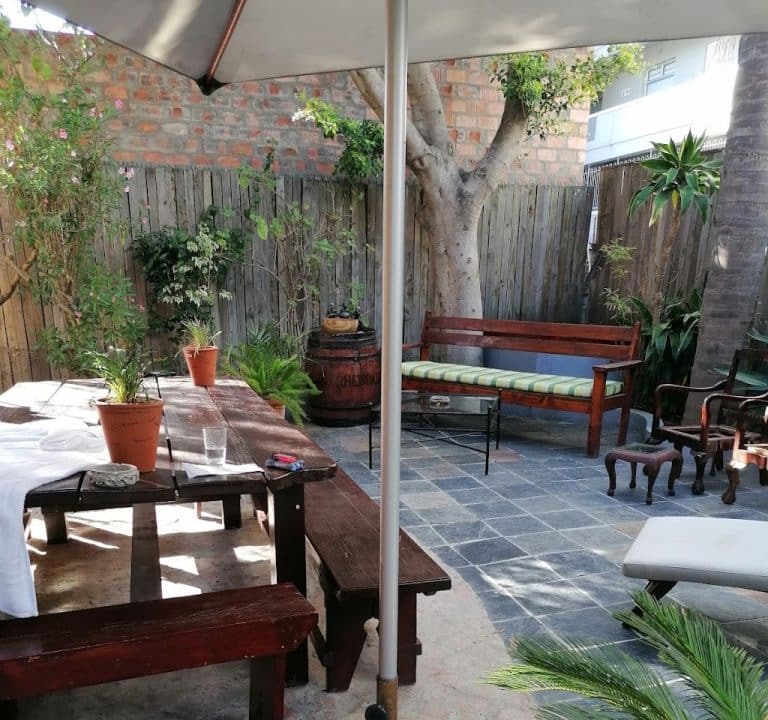
Typical amenities you might expect include complimentary Wi‑Fi, secure parking or easy street parking, breakfast options (often includes locally baked breads, fruit, and hot dishes), in‑room tea and coffee facilities, hairdryers, and daily housekeeping. Some properties offer balconies or courtyard spaces, pool access, and seasonal garden views, which can be especially pleasant in the Western Cape’s mild climate. If you have mobility needs, confirm accessibility in advance and whether lifts or ground‑floor rooms are available. For travellers who value sustainable practices, look for properties that prioritise energy efficiency, recycling, and water conservation. Small guest houses sometimes offer curated experiences such as guided city walks, wine‑tasting afternoons in nearby Constantia, or tailored sunset drives along the Atlantic coast.
Getting around Cape Town is straightforward but planning ahead helps. The city centre and V&A Waterfront area are walkable, with sheltered routes and pleasant streets. The MyCiTi bus network and ride‑hailing services provide convenient connections to Table Mountain, the Cape Peninsula, and major beaches. If you plan day trips, consider renting a car for maximum flexibility, especially for coastal stretches and the Cape Point route. For a scenic and efficient option, combine a short ride to a foothill village and a cable car ride up Table Mountain, weather permitting. Regardless of transport choice, allow extra time for traffic during peak mornings and late afternoons, particularly in the city bowl and along the Atlantic Seaboard roadways.
Best time to visit Cape Town depends on what you want from the trip. Spring (September to November) and autumn (March to May) usually offer mild weather, manageable crowds, and the opportunity to see flowers in bloom in the Kirstenbosch gardens and surrounding hills. Summer (December to February) brings longer days and beach access, but can be busy, especially over weekends and holidays. Winter (June to August) is cooler and more serene in many parts of the suburbs, with excellent value in guest houses and a chance to enjoy day trips to nearby wine estates without peak-season crowds. If you have flexibility, plan around shoulder seasons to balance pleasant weather with quieter streets and better value in accommodation.
When you arrive in Cape Town, keep a few practical tips in mind. Bring a light jacket or layers for cooler evenings, even in summer, and stay hydrated while exploring the columns of sun‑struck landscapes. Check tide times if you plan beaches or coastal walks, and be mindful of strong winds that can affect activities at the coast. For authentic dining experiences, venture beyond the major tourist hubs to local markets and family‑run eateries, where you’ll discover a range of South African flavours in informal settings. If you’re staying in a guesthouse such as Ulla’s Nest B&B Guesthouse or similar places, ask your host for their favourite local neighbourhoods to explore, as they can offer personalised tips about safe routes, café openings, and seasonal events. Connecting with a host who can share a few insider recommendations often makes a stay feel genuinely special.
- Choose a location aligned with your activities: city sights, beaches, or wine country.
- Confirm breakfast timing, parking, and access to public transport before booking.
- Check room features: en‑suite, comfortable bedding, lighting, and Wi‑Fi reliability.
- Ask about extra touches: local map resources, guided walks, or restaurant recommendations.
- Plan day trips with a flexible itinerary to accommodate changes in weather or openness of attractions.
Whether you favour a cosy guesthouse in a historic district or a contemporary retreat with sea views, Cape Town offers a welcoming variety of accommodation and experiences. With thoughtful planning, you can enjoy the region’s landscapes, culture, and cuisine while staying central to your interests and pace of travel.