Accommodation and Experiences in Cape Town, Western Cape
Cape Town offers a wide range of places to stay, from stylish hotels to cosy guesthouses and self‑catering apartments, all set against the backdrop of the city’s iconic mountains and coast. When planning a stay, think about your preferred neighbourhood, access to public transport, and how you want to pace your days—from scenic strolls along the promontory to full days of exploring museums, markets, and restaurant scenes. The city is known for its natural beauty, diverse architecture, and a wealth of activities suitable for couples, families, and solo travellers alike.
Areas to consider for your base include the Atlantic Seaboard, the City Bowl, and Constantia. The Atlantic Seaboard, including Sea Point and Camps Bay, tends to offer dramatic sea views, easy access to beaches, and a lively dining and nightlife scene. The City Bowl places you within walking distance of museums, historic streets, markets, and the harbour’s energy, with convenient access to hop‑on hop‑off tours and urban strolls. Constantia provides a more relaxed, wine‑country ambience, with leafy estates and hillside residences that are ideal for longer breaks or a quieter retreat after days spent exploring the peninsula and surrounding nature reserves.
When booking, look for properties that clearly state their amenities, accessibility, and policies. Common features include reliable wi‑fi, parking (on‑site or secure nearby), daily housekeeping, secure access, and self‑catering facilities or breakfast options. If you rely on public transport, check proximity to MyCiTi bus stops, rail links, or taxi support. Some guests appreciate flexible cancellation policies and transparent cleaning practices, especially in peak seasons. For those on a longer stay, a serviced apartment or guesthouse with a kitchenette can offer greater convenience and cost efficiency than daily meals out.
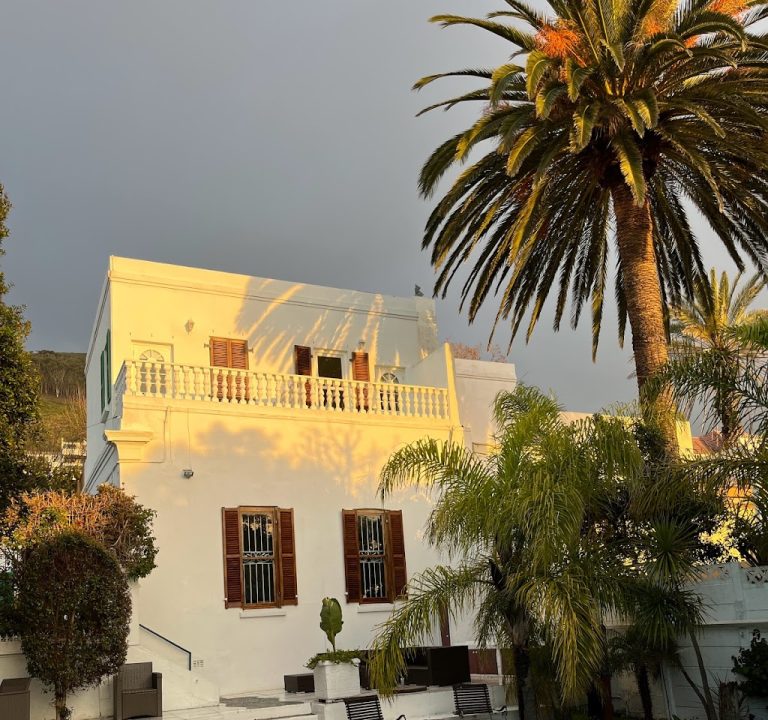
Typical accommodations vary from boutique hotels with stylish communal spaces to guesthouses that blend comfort with local character. Some properties prioritise sustainability, with energy‑efficient features, local artwork, and community initiatives. In most neighbourhoods you’ll find rooms with views—from ocean horizons to Table Mountain’s rugged silhouette—alongside well‑appointed bathrooms and modern conveniences. A few guesthouses offer curated experiences, such as guided coastal walks, market visits, or wine tastings in nearby Constantia or the Cape Winelands, allowing guests to combine rest with small adventures.
Best time to visit Cape Town depends on what you want from the trip. The late spring through autumn period (roughly September to April) tends to offer pleasant temperatures, but the city’s seasons are famously variable. Summer can be lively, with long evenings near the water and a thriving food and festival scene. Winter is milder by European standards but can be cooler and windier, particularly along the coast; it’s also a good time for city culture, indoor attractions, and less crowded popular spots. Whatever the season, it’s wise to plan a mix of outdoor activities in the mornings and indoor experiences or dining in the cooler parts of the day, especially during winter visits.
Getting around Cape Town is straightforward, but a little planning helps. If you plan to stay near the Atlantic Seaboard or the City Centre, you’ll typically find cafés, markets, and sea views within reasonable walking distance. For longer day trips or to reach the Cape Peninsula’s scenic drives, a rental car provides flexibility, though many travellers make use of guided tours and day‑trips to Robben Island, the Cape Winelands, and the Cape Peninsula’s coastal viewpoints. Public transport, ride‑hailing services, and organised tours offer reliable alternatives, particularly if you want to enjoy meals and viewpoints without worrying about parking or navigation. In peak season, expect traffic around popular beaches and waterfronts, so it’s sensible to depart early for outdoor activities and to book restaurants and experiences ahead of time.
Food and drink are a highlight of a Cape Town stay. Expect a vibrant restaurant scene that reflects the city’s multicultural heritage, from fresh seafood and bistro classics to modern fusion and ethnic cuisines. Markets and casual eateries provide a taste of local produce, baked goods, and affordable meals, while fine dining venues showcase world‑class chefs and seasonal menus. It’s common to pair meals with excellent South African wines from nearby Constantia or the wider Western Cape region. For those who enjoy an easy evening in, many accommodation providers offer on‑site dining options or curated recommendations to help you discover hidden gems beyond the mainstream hotspots.
Plan your activities with a mix of nature, culture and leisure. In terms of attractions, you’ll find standout viewpoints over the city and sea, and access to cable car rides or short hikes that reward you with panoramic vistas. Museums and galleries offer insight into Cape Town’s complex history and contemporary arts scene. For families and hikers, the surrounding nature reserves and coastal trails provide safe, well‑signposted routes. Shopping ranges from stylish boutiques and independents to vibrant markets where you can browse local crafts and sample street foods. If you’re seeking a little luxury, look for properties that offer spa facilities or quiet courtyards, providing a peaceful retreat after busy days out and about.
- Choose a neighbourhood based on your priorities: sea views and strolls (Sea Point), easy access to the city’s museums and harbour (City Centre), or a tranquil base with wine country nearby (Constantia).
- Check transport links and parking arrangements to minimise daily stress.
- Look for flexible cancellation policies and clear housekeeping routines.
- Book popular restaurants and tours in advance during peak seasons.
For those seeking inspiration beyond the capital, Cape Town serves as a gateway to the Western Cape’s landscapes and towns. A well‑planned stay can balance restful accommodation with memorable experiences, ensuring you return home refreshed and enriched by the colours, tastes, and horizons of this remarkable region. For more information, you can explore regional tourism resources and official visitor guides to tailor an itinerary that suits your interests and travel style.