Staying in Cape Town: where to base yourself, what to book, and what to do
Cape Town blends dramatic scenery with a wealth of accommodation options, from boutique guesthouses in leafy neighbourhoods to well-appointed hotels near the waterfront. When planning a stay, think about what you want to see and how you prefer to get around. The city’s varied neighbourhoods each offer a distinct flavour, so your choice can shape your daily routine as much as your comfort level.
Where to stay matters for access and atmosphere. The City Bowl and the central foreshore areas put you within easy reach of museums, markets and iconic viewpoints, with quick access to the MyCiTi bus network and rideshare services. The Atlantic Seaboard, including Green Point and Sea Point, is popular for long seaside walks, dramatic sunsets, and plenty of dining options within strolling distance. Constantia and the Constantia Valley offer a quieter, more residential setting with nearby wine farms and scenic drives. For a more relaxed, beachside vibe, Camps Bay and Clifton deliver sunsets over the Atlantic and a cosmopolitan dining scene. Each area has its own rhythm, so consider how far you want to be from the top sights or from dining and shopping precincts when you book.
What to look for when booking accommodation in Cape Town
- Access to transport: Look for property with easy access to MyCiTi bus stops or frequent rideshare availability, and consider parking if you plan to hire a car.
- Room configuration and privacy: If travelling as a family or group, verify the size of rooms or apartments, and whether spaces are private or en-suite.
- Amenities that suit your plans: A reliable Wi-Fi connection, self-catering facilities, secure storage for luggage, and a good breakfast option can greatly ease a stay.
- Outdoor space and views: In a city known for its vistas, a balcony or terrace can be a valuable benefit, especially in summer and shoulder seasons.
- Dietary considerations: Check for guesthouses or hotels that mention flexible breakfast options, or on-site dining that can accommodate dietary needs.
Typical amenities you might encounter
- Complimentary breakfast and on-site dining options
- Air conditioning or fans, depending on the season
- Secure parking or convenient public transport links
- Swimming pool or access to outdoor spaces
- Well-equipped kitchens or tea and coffee facilities
- Concierge or local knowledge services to help plan day trips
Best time to visit and practical planning tips
Cape Town’s peak tourist season runs from late spring to early autumn (roughly September to April), offering longer days and warmer seas. If you’d prefer quieter streets and lower prices, consider the shoulder seasons (May to August are cooler and typically drier, with the occasional rain squall). The Cape’s weather can be capacious and fast-changing, so pack a light rain jacket and sunscreen for daily use.
Practical planning tips include budgeting for transport between sights. The city is compact enough for easy day trips, yet spread out enough to justify a car if you want maximum flexibility. If you don’t have a vehicle, the tram-like MyCiTi network, supplemented by ridesharing apps, can cover most routes between major hubs, beaches and attractions. Choose central accommodation if you plan frequent evenings out or want a shorter walk to restaurants, markets and nightlife, or opt for a quieter suburb with easy access to nature if your daytimes will be spent outdoors.
Attractions and experiences—conceptual overview
Cape Town invites exploration across landscapes and cultures. Iconic natural landmarks such as a dramatic flat-topped mountain viewpoint, coastal viewpoints along the Atlantic seaboard, and verdant nature reserves offer photo-worthy moments and memorable walks. Cultural experiences centre on museums, galleries, and markets where local crafts, food, and music are celebrated. For the adventurous, guided hikes, protected nature reserves and boat trips to nearby islands can be arranged through accommodation hosts or trusted operators.
Where to eat and drink in general terms
The city’s dining scene ranges from modern bistros to vibrant neighbourhood eateries. Choose venues that showcase regional ingredients, sea produce, and seasonal menus. Many accommodation options can point you to dining districts suitable to your mood—whether you’re seeking quick casual meals after a day of sightseeing or a more ambience-filled evening with a view. When in doubt, ask hosts for recommended neighbourhoods and time-saving routes to avoid peak traffic.
Example accommodation option and booking considerations
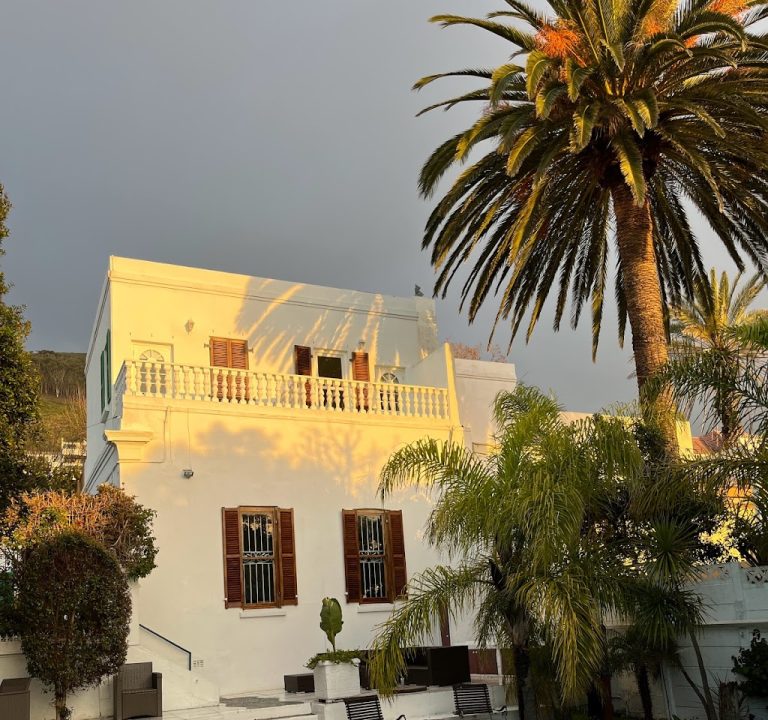
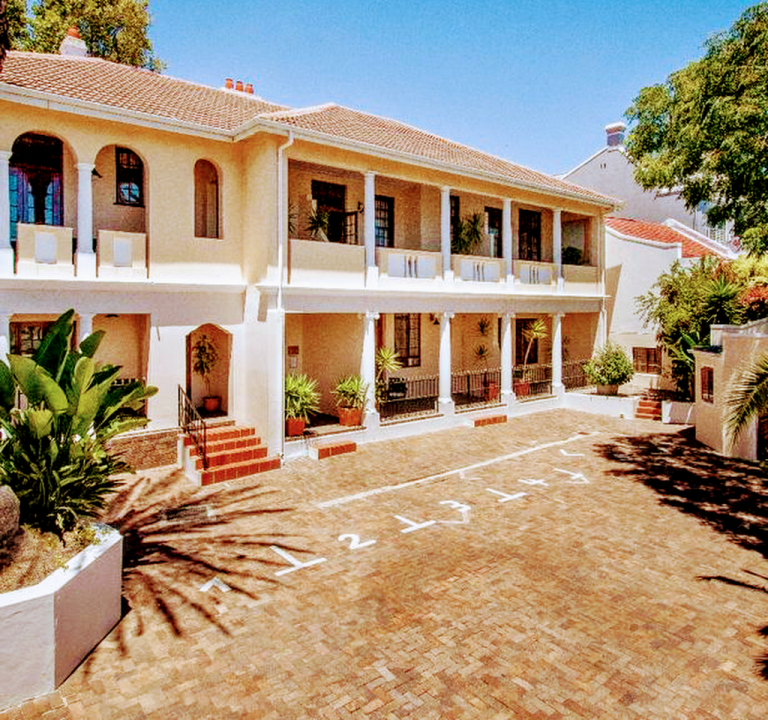
Consider a boutique guesthouse or a hotel with a reputation for personalised service and local knowledge. For guests staying with AfricanHome Guesthouse, you can expect stays that balance comfort with practicality, plus insights into local attractions and day trips. Properties such as these often offer helpful concierge-style guidance to plan your itinerary, from iconic viewpoints to nearby wine routes, as well as practical tips on transport and safety.
Planning a balanced itinerary
Begin with one or two must-see sights in the morning, leave afternoons for a beach stroll, a museum visit, or a tasting at a nearby winery, and reserve evenings for dining in areas with strong food cultures. Reserve time for scenic drives along the coastline and a regenerative stop in one of the city’s green spaces. By weaving in nature, culture, and cuisine, you’ll experience a well-rounded Cape Town stay that aligns with your pace and interests.
Website for reference and planning: AfricanHome Guesthouse.