Accommodation and Experiences in Marloth Park, Mpumalanga: Where to Stay and What to Do
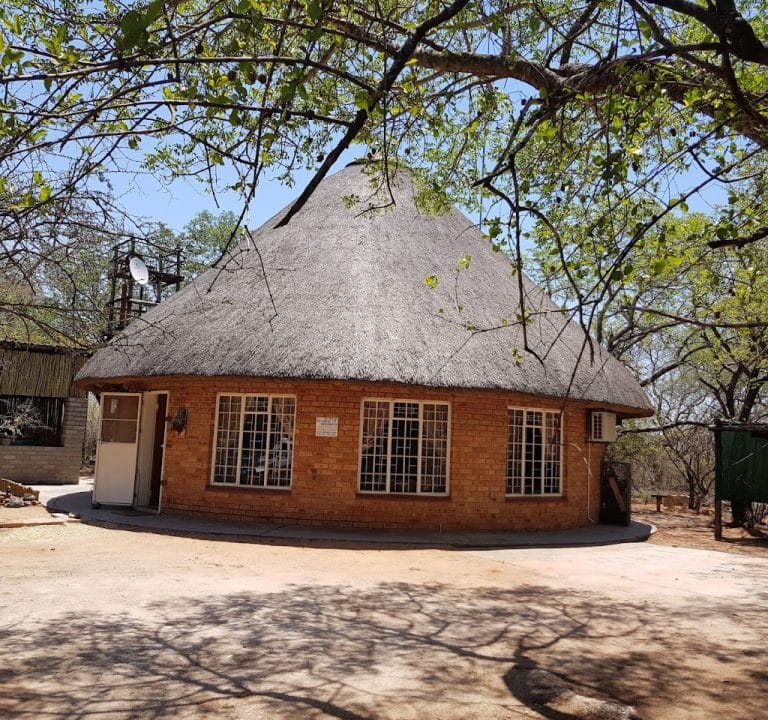
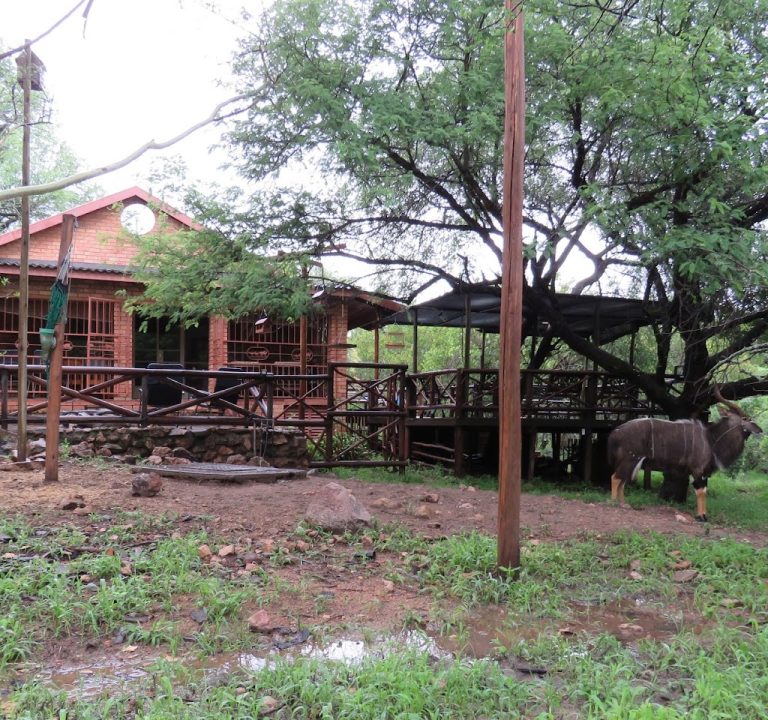
Nestled beside the Kruger National Park’s southern reaches, Marloth Park in Mpumalanga offers a rustic hillside backdrop, thick acacia veld, and a wildlife-friendly atmosphere that makes it a popular base for nature lovers. The area is characterised by self-contained lodges, B&Bs, guesthouses and holiday homes that often open right onto the bushveld, giving guests easy access to wildlife sightings from the privacy of their verandas. Planning a stay here focuses on selecting the right accommodation, understanding access points to the park, and budgeting for vehicle-based exploration and guided experiences.
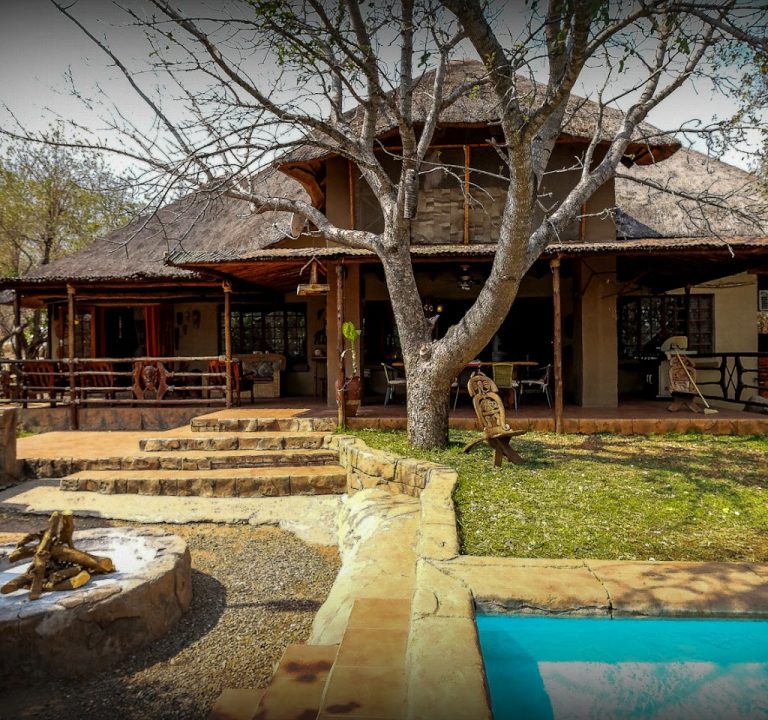
When evaluating places to stay, consider whether you want a wraparound bush experience with a private deck and barbecue area, or a more contemporary guesthouse with communal spaces. Many Marloth Park properties offer self-catering facilities, pool options, and guided activity recommendations. Availability tends to vary with the seasons, so early bookings for peak periods—school holidays and dry-season weekends—are advisable. If you are seeking a base with character and reliability, you might begin with established bed and breakfast options that emphasise personalised service and local insights, such as Ubuntu Bed and Breakfast, which lists its own website for guests to review amenities and location details: Ubuntu Bed and Breakfast.
Areas and access considerations are worth noting. Marloth Park itself lies adjacent to game reserves and borders the Crocodile River, offering a convenient springboard to wildlife drives and bush walks. The park is well served by road links to nearby towns and to the N4 corridor that connects the region with the Drakensberg foothills and northern Mpumalanga, but some properties are tucked along quiet passes where gravel or dirt patches are common. A reliable vehicle is highly recommended, ideally a 4x4 or a high-clearance SUV, especially if you plan to venture into more rugged tracks or when rain has softened roads.
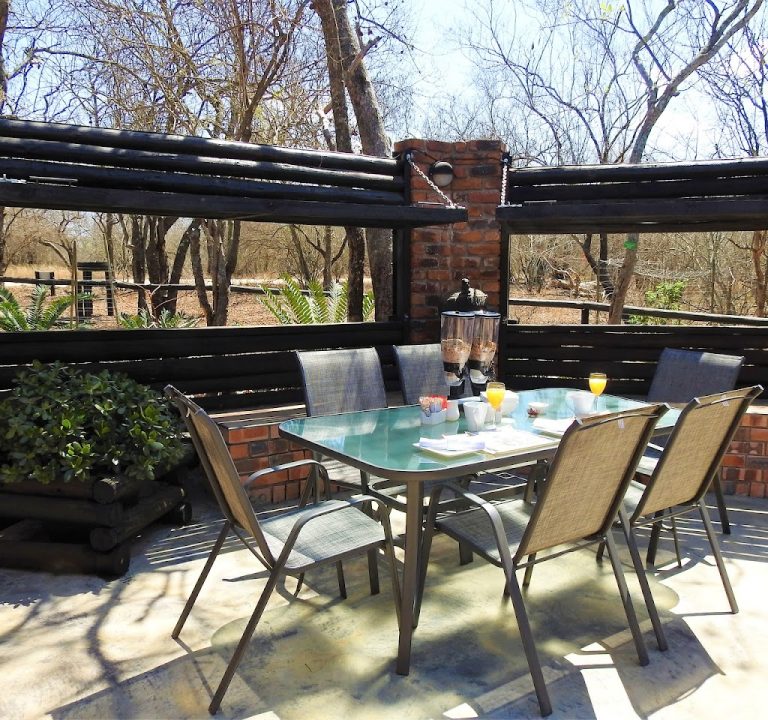
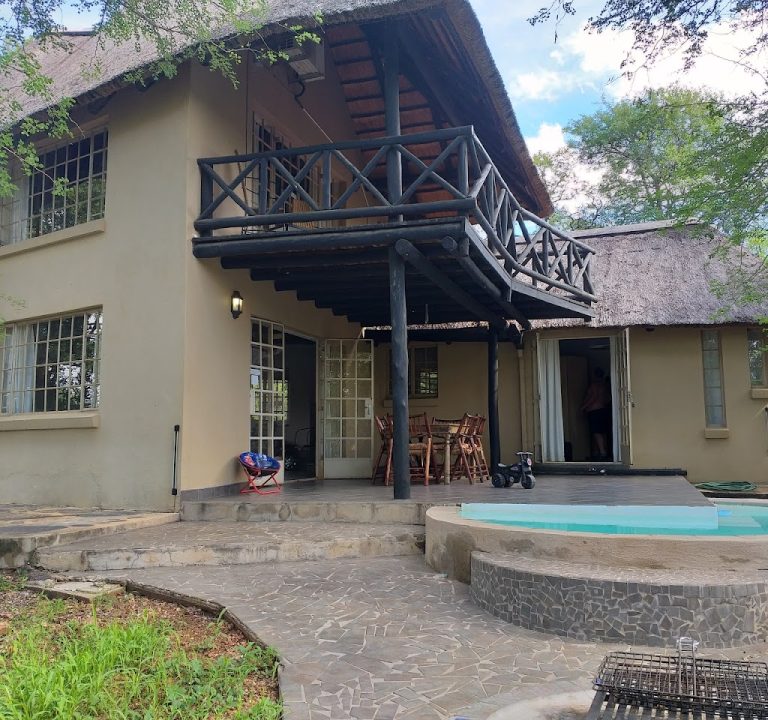
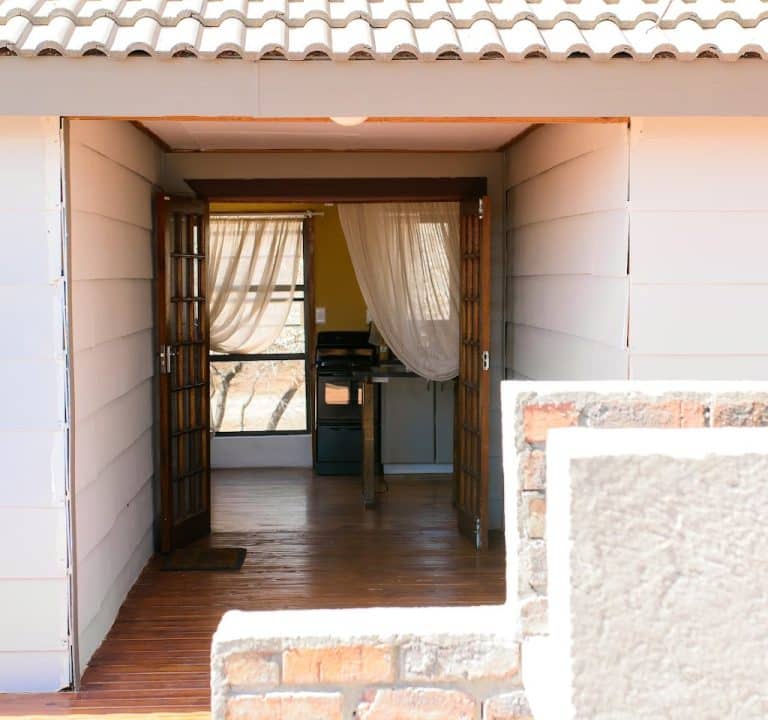
Typical amenities across Marloth Park properties include private verandahs or balconies, outdoor dining areas, fully equipped kitchens or kitchenettes, air conditioning or ceiling fans, secure parking, and often a pool or splash pool to beat the heat. Many guests appreciate free Wi‑Fi, barbecue facilities, and the proximity of wildlife-friendly corridors that permit safe, non-intrusive wildlife viewing from the comfort of your accommodation. If you travel with family or a group, consider a property that offers separate bedrooms and a living area with space to unwind after a day in the bush.
Planning a stay involves weighing transport options, activities and timing. Self-driving is common, with many guests spending their days game-spotting in Kruger Park’s southern sections, or in Marloth Park’s own density of wildlife populations. If you prefer a lighter touch, arrange a guided night drive or a daybreak safari for a more intimate wildlife experience, with guides who know the local routines of elephants, antelope, and birdlife. For anyone with hiking or birdwatching in mind, Marloth Park’s surroundings provide a mix of easy nature trails and more challenging viewpoints, often enjoyable at sunrise or late afternoon when animal activity is heightened and temperatures are kinder to walkers.
Best time to visit Marloth Park tends to align with wildlife visibility and comfortable temperatures. The dry season (roughly May to September) typically offers clearer skies and easier animal spotting around waterholes, while the wet season (roughly November to March) brings lush landscapes and a flurry of birdlife. Autumn can be particularly pleasant for outdoor activities, with cooler evenings and a golden light over the plains. Remember that Marloth Park sits in a malaria‑risk area, so travellers should consult current health guidance and implement preventative measures as appropriate for the season of travel.
Practical tips to make the most of your stay:
- Book accommodation with a secure, well‑lit parking area and clear bush‑veld rules to protect both guests and wildlife.
- Check whether the property offers boat, pool, or river access, and whether there are restrictions on driving after sunset.
- Ask about onsite staff or hosts who can arrange or recommend walks, drives, and sightings, including safe night activities.
- Pack essentials for outdoor living: insect repellent, sun protection, a light jacket for cooler evenings, and sturdy footwear for trails.
- Confirm the nearest shop or market for groceries and the typical travel time to Kruger’s gates or other regional attractions.
Beyond wildlife watching, Marloth Park offers a peaceful rural atmosphere with opportunities to sample local hospitality and dining experiences that focus on simple, hearty meals and communal gathering spaces. Visitors frequently combine a bush‑break with relaxed days by a pool, short strolls along shaded paths, and easy access to the Crocodile River where wildlife can occasionally be observed from a respectful distance.
In summary, Marloth Park is ideal for travellers seeking a nature-first stay with a choice of intimate B&Bs, lodges, and guesthouses. Plan around your preferred pace—whether you want to wake early for sunrise safaris, enjoy a quiet day by a private verandah, or join guided excursions to nearby reserves. With careful booking and a flexible approach to activities, a Marloth Park visit can be an intimate, memorable gateway to southern Africa’s remarkable wildlife and landscapes. For a sample of the kinds of properties available, visit the Ubuntu Bed and Breakfast site for inspiration and booking details: Ubuntu Bed and Breakfast.