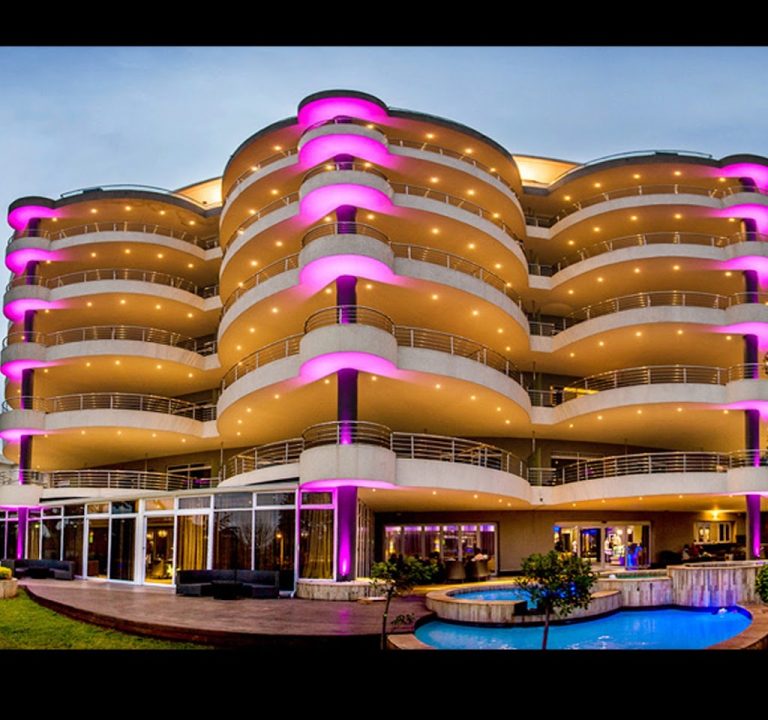
Durban: accommodation planning, neighbourhoods, and experiences in KwaZulu-Natal
Durban sits along the golden coast of KwaZulu-Natal, offering a warm blend of subtropical beaches, cultural sites, and a thriving dining scene. When planning a stay, travellers should consider a mix of neighbourhoods to balance easy beach access, convenient transport, and a sense of local character. From the bustle of the central beaches to leafy residential districts and up-and-coming coastal quarters, Durban provides options for every budget and travel style.
Popular areas for accommodation include the beachfront precincts, the Berea and Morningside, Glenwood with its historic charm, and the up-and-coming Umhlanga and La Lucia stretches to the north. The central Durban area is convenient for visits to museums, markets, and urban parks, while the north coast offers longer beach walks and a more resort-like atmosphere. When choosing where to stay, consider how you plan to get around: some places are walkable to key sights and restaurants, while others are better served by a car or reliable taxi and ride-hailing services.
Typical accommodation styles in Durban range from stylish B&Bs and guesthouses to boutique hotels and lodges with a distinctly local flavour. Expect comfortable rooms, air conditioning for the warm months, security features, and practical amenities such as free Wi-Fi, tea and coffee facilities, and on-site parking. Some properties may offer additional touches such as shaded courtyards, pool areas, or breakfast options that showcase local produce. When booking, check terms around breakfast inclusion, cancellation policies, and whether the property has 24-hour reception or on-site staff who can assist with tours and transfers.
Transport in Durban is quite flexible. If you plan day trips to the north coast, a hire car can provide the most freedom, but many areas are well served by taxis, ride-hailing services, and local public transport. The beachfront corridor is friendly for walking during daylight hours, and some properties provide shuttle services or can arrange airport transfers. For longer journeys, consider proximity to major routes and access to parking, as this can influence both convenience and cost during your stay.
Best time to visit Durban tends to be year-round due to its mild winters and warm summers. The peak tourist season is typically during the southern hemisphere summer and school holidays, when beaches are lively and events are plentiful. Shoulder seasons can offer quieter stays with lower rates and pleasant coastal weather. If you enjoy outdoor activities, plan for early mornings or late afternoons on the beach and in the parks to avoid the heat of midday sun. Pack sun protection, comfortable walking shoes, and layers for cooler evenings near the coast.
When it comes to planning a stay, here are practical tips to help you get the most from your visit:
- Identify your priorities: beachfront access, easy access to restaurants, or a quieter street away from the main promenade.
- Look for properties with flexible breakfast options, secure parking, and reliable Wi-Fi if you need to stay connected for work or planning day trips.
- Check access to services: nearby supermarkets, medical facilities, and reputable transport options can save time and effort during a holiday.
- Consider the type of experience you want—modern comforts with city convenience, or a more relaxed stay with a focus on local character and hospitality.
- Review guest feedback for insights on cleanliness, noise levels, and staff responsiveness, which can be key to a comfortable stay in busy areas.
Durban offers a broad menu of activities and attractions that suit many interests. Beachfront strolls, swimming, and surfing are natural draws, while cultural experiences at museums and markets provide a sense of local life. For families, light-hearted entertainment and engaging public spaces create a relaxed holiday rhythm. Dining in Durban is vibrant, with a mix of casual eateries and refined venues where you can sample coastal flavours and regional favourites. When selecting restaurants, look for places that emphasise fresh ingredients and a friendly, relaxed service style, and consider asking your accommodation hosts for current recommendations and reservations during peak periods.
For longer stays or multi-day adventures, a well-rounded itinerary can include coastal walks, a seaside village feel in the northern suburbs, and a day trip to inland viewpoints or nature reserves. If you enjoy ocean views, choose lodges or guesthouses with terraces or balconies that overlook the sea or city lights. Properties closer to the promenade may suit travellers who value quick access to beaches and nightlife, while those seeking a peaceful base can opt for leafy streets inland with easy avenues to reach the coast by short drives or rides.
Durban’s tourism infrastructure supports a variety of experiences beyond the beach. Visitors can explore local markets, art galleries, botanical gardens, and historical sites at a measured pace. The coastline, with its subtropical climate, invites outdoor cafés and casual dining that emphasise sunlit, relaxed settings. Even without fixed names or prices, plan to balance time between accommodation, shore activities, and recommended eateries to capture the essence of Durban: warm hospitality, coastal scenery, and a flavourful cross section of KwaZulu-Natal life.
For further inspiration and practical planning, you can explore official tourism resources and nearby destination guides online. A well-chosen base in Durban can support a memorable stay that pairs comfortable, well-equipped accommodation with access to beaches, culture, and cuisine throughout your visit.