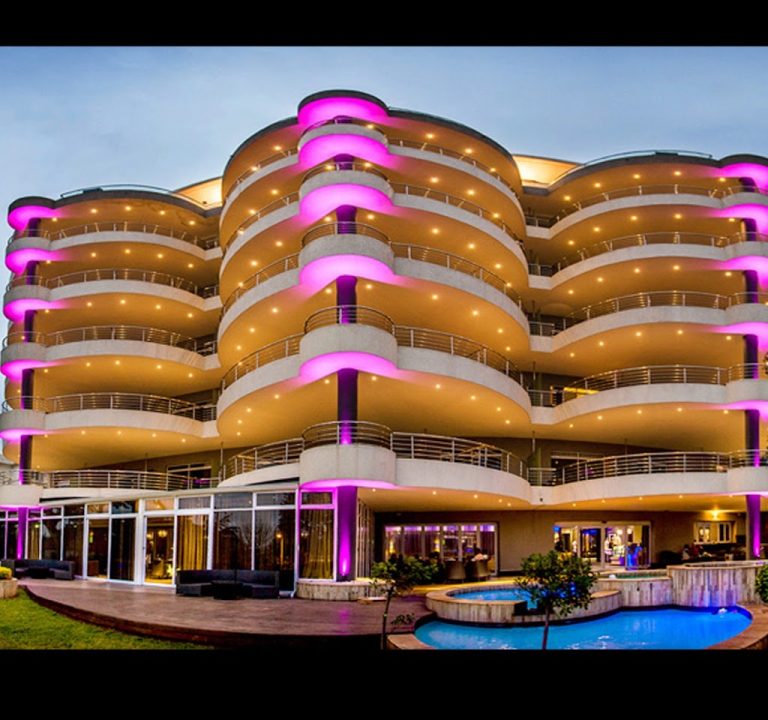
Durban: accommodation planning, stays and local highlights in KwaZulu-Natal
Durban, on the KwaZulu-Natal coast, offers a diverse mix of stays from coastal B&Bs and guesthouses to contemporary hotels and lodge-style retreats. When planning a visit, think about which neighbourhood aligns with your priorities—be it breezy sea views, easy access to the city’s historic and cultural sights, or a quiet base close to nature. Durban is known for its warm Indian Ocean climate, a friendly atmosphere, and a hinterland that unfolds into rolling hills and dramatic scenery. A well-chosen base will set the tone for relaxed mornings, easy days, and memorable evenings.
Neighbourhoods to consider include the bustle of the Golden Mile and the beachfront precinct, which are ideal for first-time visitors who want to be close to the sea, promenade walks, and easy dining options. The Berea offers a mix of charming guesthouses and boutique hotels set on leafy streets, often with easy access to cafés, markets and central sights. Umhlanga Rocks is popular for modern resorts and well-kept beaches, with a straightforward drive to a number of natural and cultural attractions. For a more traditional, residential feel with tree-lined avenues and expansive views, some travellers seek hospitality on the northern slopes of the city’s inland hills.
When booking, look for practical amenities that suit a Durban stay. Secure on-site parking or convenient public transport links can save time and reduce stress, especially if you plan day trips along the coast or into the KwaZulu-Natal countryside. Consider properties offering complimentary breakfast or easy access to cafés nearby, reliable Wi‑Fi, air conditioning for warm months, and thoughtful touches such as blackout curtains, comfortable bedding, and clear information about local transport options. Some guesthouses and B&Bs, including places like Ssema B&B, highlight a personalised service and insider tips on where to eat, what to see, and how to navigate busy areas.
Transport around Durban is typically straightforward. The city has a coastline that invites strolls along the promenade and beach access from many accommodation options. For longer day trips to nearby towns or rural areas, car hire or organised tours can be convenient. Public transport includes commuter rail and bus services, though at peak times services can be busier. If you prefer not to drive, many hotels and B&Bs offer shuttle options or are located within easy reach of ride-hailing services. In planning a stay, consider whether you want a walkable base near the sea or a quieter hillside location with scenic outlooks.
Best time to visit Durban is during the warmer months, typically from late spring through summer, when the sea is inviting and outdoor activities flourish. Winter in Durban is mild, offering comfortable conditions for city sightseeing, markets, and coastal walks. If you’re chasing festivals, craft markets or cultural events, check local calendars ahead of your trip. The coastline can be breezy at certain times of year, so packing a light layer for evenings and a windbreaker for sea-front strolls is sensible. Always have a small waterproof or umbrella handy in case of short showers during the shoulder seasons.
Accommodation types in Durban range from guesthouse-style B&Bs to stylish boutique hotels and family-run lodges. Typical amenities include private or en-suite bathrooms, reliable Wi‑Fi, daily housekeeping, on-site parking, and access to a communal lounge or garden. Some properties offer cooked-to-order breakfast, shaded outdoor spaces, and easy beach access. For guests seeking a more immersive stay, several guesthouses provide curated recommendations for dining, markets, and day trips, helping you make the most of a visit to the city and its surrounds.
When exploring attractions and dining in Durban, you’ll encounter a broad coastal mix: long sandy beaches, family-friendly centres, historic sites, and vibrant markets. In broad terms, visitors commonly enjoy the city’s coastal walks, wildlife displays, and cultural exhibits, as well as markets that celebrate multi-ethnic cuisine and the region’s crafts. For dining, you’ll find seafood shacks and curry houses alongside modern bistros and casual eateries. Many accommodation providers can offer guidance on safe, well-populated areas to dine and convenient routes back to your base after a day of sightseeing.
Practical tips to help you plan the stay:
- Book a base with easy access to your must-see attractions and a comfortable distance for evening strolls along the coast.
- Check what the property offers regarding breakfast, parking, Wi‑Fi, and late check-in options.
- Consider travel times between sites and, if driving, ensure your chosen area has convenient parking or drop-off points.
- Pack sun protection, a light layer for sea breezes, and comfortable footwear for walking on promenades and in markets.
- Respect local customs, stay to well-lit areas at night, and keep valuables secure in transit.
Durban’s hospitality and natural setting make it a versatile destination. Whether you prefer a harbour-view guesthouse, a modern hotel near the Golden Mile, or a hillside retreat with sweeping city and sea vistas, the city offers accommodation to suit most budgets and preferences. For further inspiration, consider visiting official Durban tourism pages or reputable travel guides that provide area overviews, venue suggestions, and seasonal ideas. A well-chosen stay will help you enjoy both the maritime atmosphere and the cultural richness that Durban presents to visitors. For more information on local stays and planning ideas, you can explore general resources and tourism sites linked from reputable travel websites.