Discover East London, Eastern Cape: where to stay, eat and explore
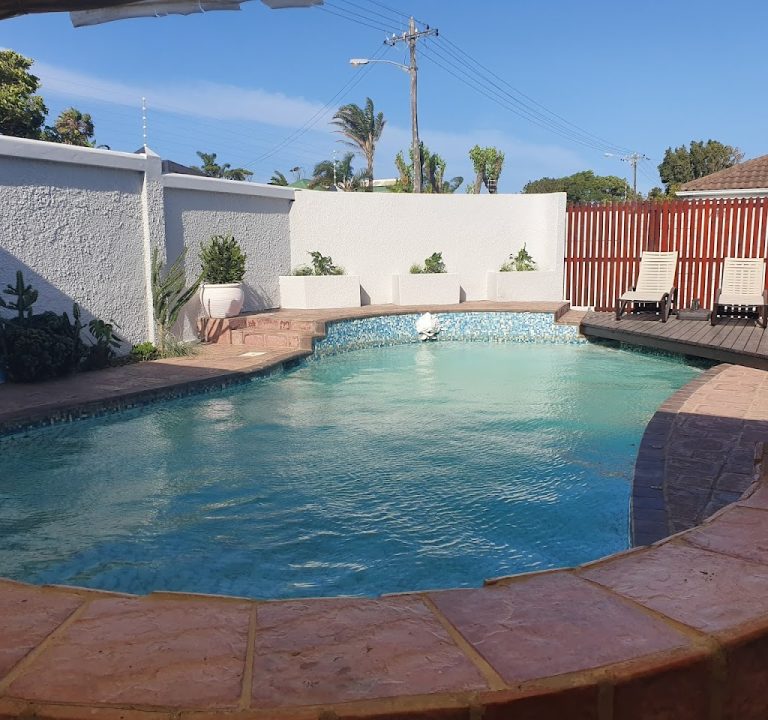
East London in the Eastern Cape offers a refreshing blend of sandy beaches, riverfront scenery and era-spanning streets, with a hospitality scene that ranges from intimate guest houses to comfortable boutique hotels. When planning a stay, it’s useful to think about the areas that suit your pace and interests, as well as the practicalities of transport and timing. Tu Casa, a welcoming guest house in one of the traditional neighbourhoods, is a good example of how a smaller property can provide warmth, helpful local tips and easy access to both coastline and city amenities.
Accommodation options span from coastal guest houses and family-run bed and breakfasts to mid-range hotels and self-catering apartments. In areas near the beaches, you’ll often find guest houses that prioritise sea views, airy rooms and easy access to promenades and swimming spots. City-centre stays tend to be convenient for dining, shopping and culture, while suburban areas can offer quieter nights and a more residential feel. When choosing where to stay, consider proximity to your intended activities, as well as parking facilities and whether the property can arrange transport or tours.
Key areas to consider include:
- Beaches and promenade: the coastal strip is ideal for early-morning walks, surf schools and sunsets over the Indian Ocean.
- City-centre and Esplanade: convenient for museums, galleries, cafés and a stroll along the river and harbour area.
- Gonubie and nearby coastal villages: popular for family stays and access to longer beach days, nature trails and quieter back streets.
- Nahoon and Beacon Bay: good for shoppers, markets and easy access to outdoor spaces such as parks and promenades.
What to look for when booking:
- Room configuration and facilities: check for en-suite bathrooms, reliable Wi-Fi, air conditioning or heating, and adequate storage.
- Common spaces and breakfast arrangements: many guest houses offer a continental or cooked breakfast, with spaces to relax, cook or socialise.
- Parking and access: secure parking or on-street options can save time, particularly if you’re hiring a vehicle.
- Transport links: proximity to main roads, taxi services or easy pickup points for tours can simplify daily plans.
- Safety and neighbourhood character: read recent reviews to gauge quietness, noise levels and the friendliness of the area at different times of day.
Typical amenities you can expect in well-run guest houses and mid-range hotels include private bathrooms, clean linen and towels, daily housekeeping, tea and coffee facilities, and often a communal kitchen or lounge. Some properties may offer barbecue facilities, outdoor seating, and a small library or information corner with maps and local recommendations. If you’re planning activities, ask the host or front desk about guided tours, wildlife reserves, or cultural experiences that are suitable for families or solo travellers.
Transport is practical to consider. The region is drivable along the coast and inland routes, so a rental car often provides the most flexibility for exploring beaches, viewpoints, and nature reserves. If you’re relying on public transport, check the schedule and frequency of buses or shuttles, and plan extra time for connections. For airport transfers, many guest houses can arrange a transfer service or recommend trusted local operators. When travelling in peak holiday periods, book accommodations well in advance to secure the best locations and rates.
The best time to visit East London is typically during the warmer months, when beaches are most inviting and outdoor activities are at their prime. Spring and autumn offer milder temperatures for long walks and city explorations, with fewer crowds than in peak summer. Rainfall is more common in the winter season, so plan indoor-friendly activities and note that some outdoor venues may have limited hours after rain.
Activities and experiences you might enjoy include strolls along scenic coastal paths, riverfront promenades, markets and craft shops, and visits to cultural venues where you can learn about the region’s history and maritime heritage. The surrounding area also holds opportunities for wildlife encounters in nearby reserves, bird-watching along tidal flats, and day trips to scenic viewpoints or small coastal towns. For a relaxed meal out, you’ll find a range of eateries offering seafood, grilled fare, and contemporary dishes inspired by local ingredients. When you dine out, you’ll often be able to pair dishes with regional wines or craft beverages, all without rushing your day.
Practical tips for a smooth stay:
- Pack sunscreen, hats and comfortable footwear for beach days and outdoor adventures.
- Bring a light layer for cooler evenings, especially near the coast where breezes can be strong.
- Check property policies on check-in times, breakfast arrangements and any on-site facilities such as kitchens or outdoor spaces.
- Ask for local dining and activity tips from your host—they can tailor recommendations to your interests and pace.
- Respect local customs and environmental guidelines, particularly in coastal or nature-enriched areas.
For ideas and practical planning, you can explore the regional tourism portal for inspiration on itineraries, seasonal highlights and practical travel tips. East London and its surrounds offer a friendly, easy-to-navigate base for a relaxed or activity-filled holiday, with accommodation that often emphasises warmth, personal service and a sense of place. Whether you’re seeking a cosy guest house with character or a comfortable hotel near the beach, planning with attention to location, amenities and transport will help you get the most from your stay in East London, Eastern Cape.
For more information about destinations, events and travel planning in the Eastern Cape, see the official Visit East London area resources and the broader provincial tourism site: Visit Eastern Cape.