Discover East London: accommodation, attractions and planning tips for a stay in the Eastern Cape
East London on the Eastern Cape’s Wild Coast offers a blend of coastal scenery, riverine landscapes and urban charm. When planning a stay, visitors often balance seaside relaxation with convenient access to retail, dining and regional nature highlights. The area is well suited to a range of lodging, from intimate B&Bs and guesthouses to larger hotels and self‑catering options, with a rhythm that suits both weekend escapes and longer breaks.
For those seeking a quintessential coastal experience, consider staying in the beachfront precincts and nearby residential neighbourhoods. A classic option is a well‑appointed bed & breakfast or guesthouse that provides a hearty breakfast, friendly hosts and local recommendations. An example of this style of accommodation is Appleby’s Guest House in East London, which embodies the character of small, comfortably appointed stays; you can explore their site for details on facilities and booking terms. When choosing accommodation, look for a balance of comfort, security and proximity to the areas you want to explore, rather than chasing the latest glossy claims.
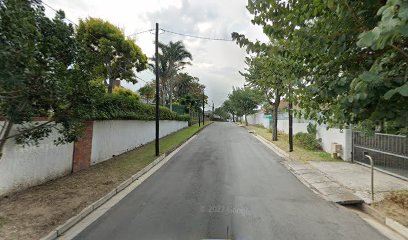
Areas to consider include the beachfront and Esplanade for easy access to the sand and sea, the city centre for convenient dining and cultural sights, and the Greenfields or Baysville precincts that offer quieter residential surroundings with easy access to routes out of town. If you plan day trips to coastal reserves or riverine trails, a central location with straightforward transport links can save time and reduce travel fatigue.
Typical amenities to look for include free Wi‑Fi, parking, a secure entry system, and a robust breakfast offering if you opt for a B&B or guesthouse. Rooms with air conditioning can be a comfort in warmer months, while ceiling fans may suffice in late spring and autumn. A practical consideration is luggage storage and flexible check‑in/check‑out arrangements, especially if you intend to catch early or late flights. If you rely on public transport or ride‑hailing services, ensure the host provides information on nearby taxi ranks or routes to major hubs, and whether the property can assist with arranged transfers.
Transport in East London is relatively straightforward. The city has regional roads connecting to coastal towns and inland routes to Port Elizabeth and surrounding game reserves. If you are renting a vehicle, you’ll enjoy freedom to explore beaches such as popular coves and promenades, as well as nature trails in nearby reserves. For those relying on public options, there are bus services and the possibility of guided tours that include coastal scenery, river estuaries and urban highlights. When planning, map out a flexible itinerary that allows for weather variations, particularly in the cooler winter months and during shoulder seasons when sea conditions can impact water‑based activities.
The best time to visit East London is influenced by the coastal climate. Summer (December to February) brings longer days, warm seas and air temperatures that suit beach days and outdoor meals, though peak season can be busier. Autumn can offer milder days and fewer crowds, while winter (June to August) tends to be cooler with more variable weather but often lower accommodation rates. Shoulder seasons can provide a comfortable balance of pleasant conditions and better value, making it ideal for travellers who want room to explore at a relaxed pace.
When planning activities, you’ll find a mix of outdoor adventures and cultural experiences. Coastal activities may include swimming, sunbathing, fishing and water‑based excursions, while inland options cover birdwatching, hiking and visits to art galleries or museums. For a relaxed day, stroll along the beachfront promenade, enjoy a seaside café lunch or browse local markets for crafts and regional produce. Dining in East London ranges from casual eateries near the harbour to family‑run bistros in residential areas. Look for places that highlight fresh seafood and seasonal produce, with menus offering vegetarian or lighter options where appropriate.
Practical planning tips to help you make the most of a stay:
- Book accommodation close to the activities you want to prioritise, but allow some flexibility for weather or changes in plans.
- Check whether the property offers breakfast, parking, and easy access to local transport or transfer options for day trips.
- Read recent guest reviews to gauge cleanliness, host responsiveness and general atmosphere beyond glossy photographs.
- Consider a mix of indoor and outdoor activities to suit varying weather conditions.
- Pack versatile clothing for coastal breezes and inland travel, including a light jacket for cooler evenings.
For travellers seeking a balanced stay that combines comfortable lodging with easy access to beaches, parks and city amenities, East London offers a practical choice of accommodation options and a broad spectrum of activities. Whether your priority is a restful hideaway with a friendly host, or a base from which to explore the coastline and regional reserves, plan with a flexible timetable and a focus on practical details—parking, breakfast, transport links and proximity to your preferred sights. The mix of neighbourhoods within reach means you can tailor your visit to your pace, whether you crave days of sea air and surf or tranquil walks, followed by relaxed dinners in welcoming local eateries.