Phalaborwa: Accommodation, attractions and practical planning for a memorable stay
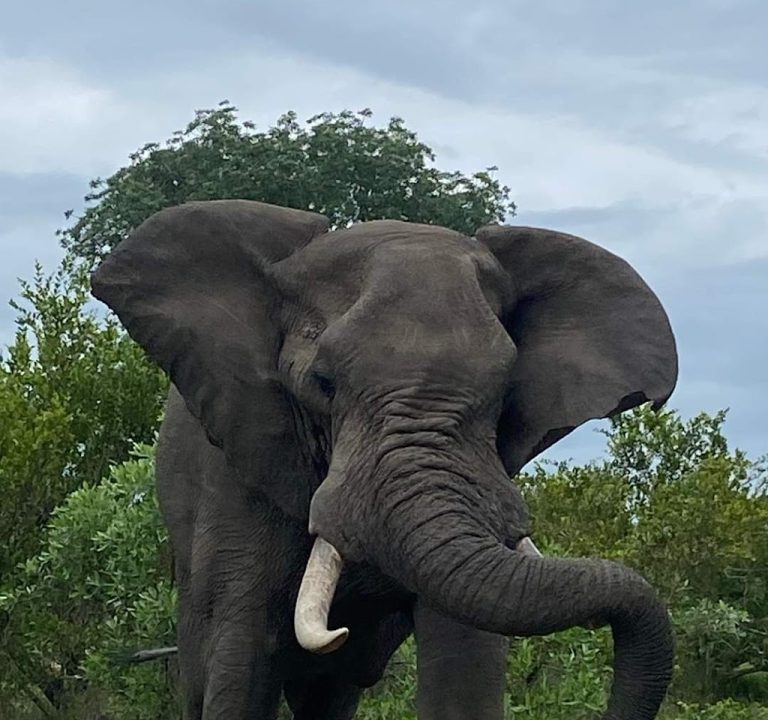
Phalaborwa sits in Limpopo, at the northern edge of the Kruger National Park, and is often described as a convenient gateway for wildlife adventures and outdoor pursuits. A stay here can be relaxed yet full of activity, with a mix of guest houses, lodges and self-catering options that suit families, couples and solo travellers. The town’s close proximity to the Olifants River and a network of nature reserves makes it possible to combine comfortable accommodation with easy access to game-viewing, birdwatching and day trips into the surrounding landscape.
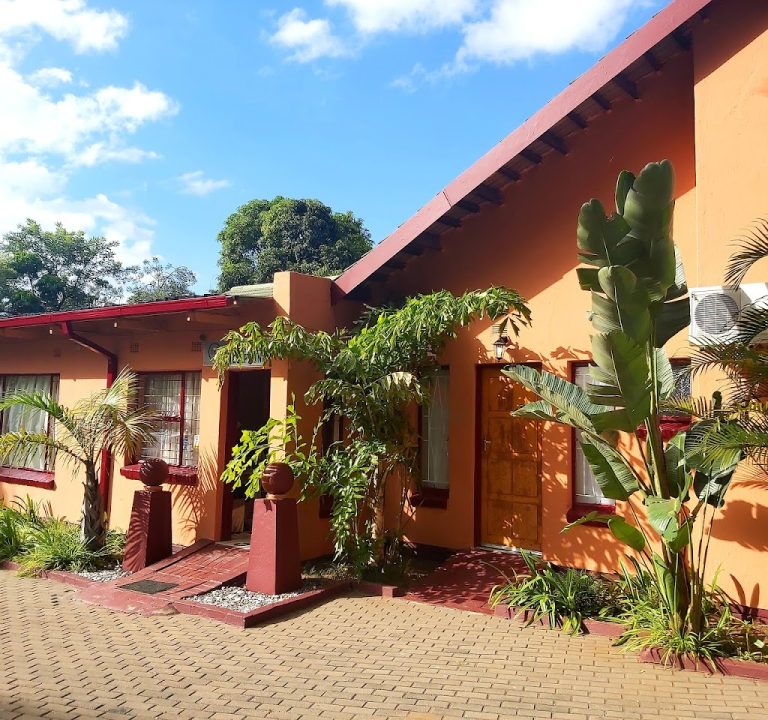
When choosing where to stay, it helps to think about which part of Phalaborwa best matches your plans. Central Phalaborwa tends to offer a quick hop to shops, petrol stations and eateries, making it a pragmatic base for those who prefer a low-key, self-contained stay. If your focus is wildlife and nature, look for lodges and guest houses positioned toward the western or eastern outskirts, where you may be closer to riverine trails and the more serene sides of the region. For families or longer visits, self-catering units with kitchens and living space can provide flexibility for varied schedules and mealtimes.
What to look for when booking, and how to compare options:
- Location relative to Kruger National Park gates or riverfront areas, and access to park tours or self-drive routes.
- Guest facilities such as reliable Wi‑Fi, air conditioning, comfortable bedding, private bathrooms, and options for meals on site or close by.
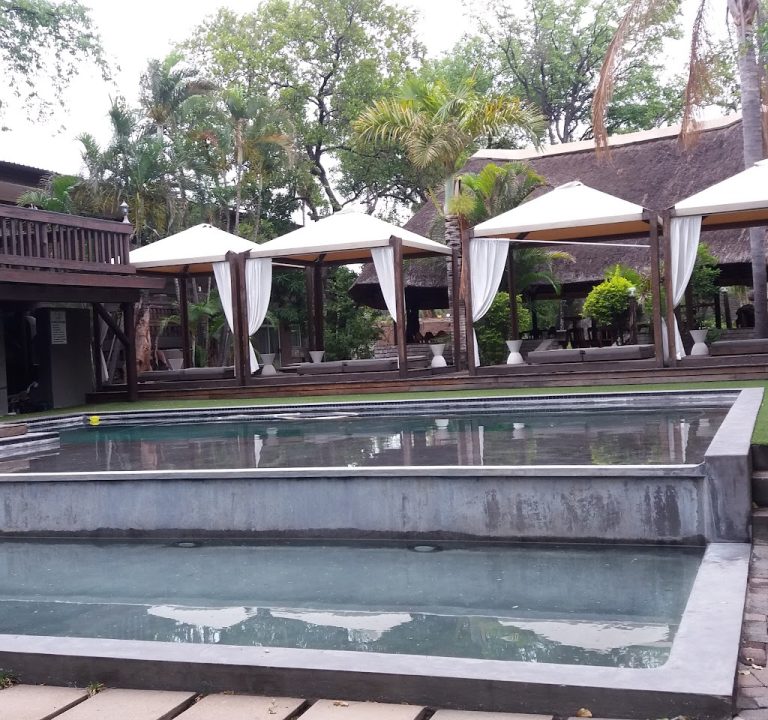
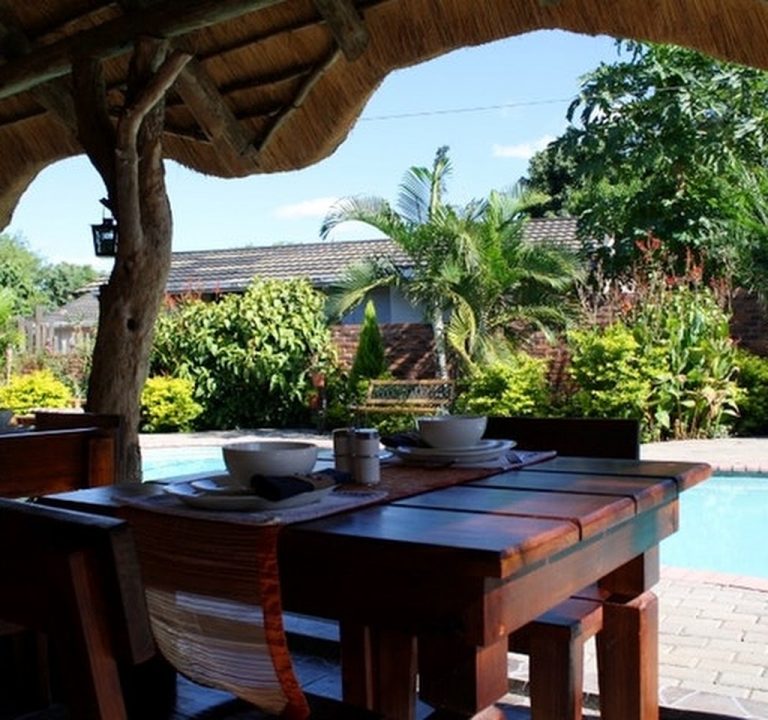
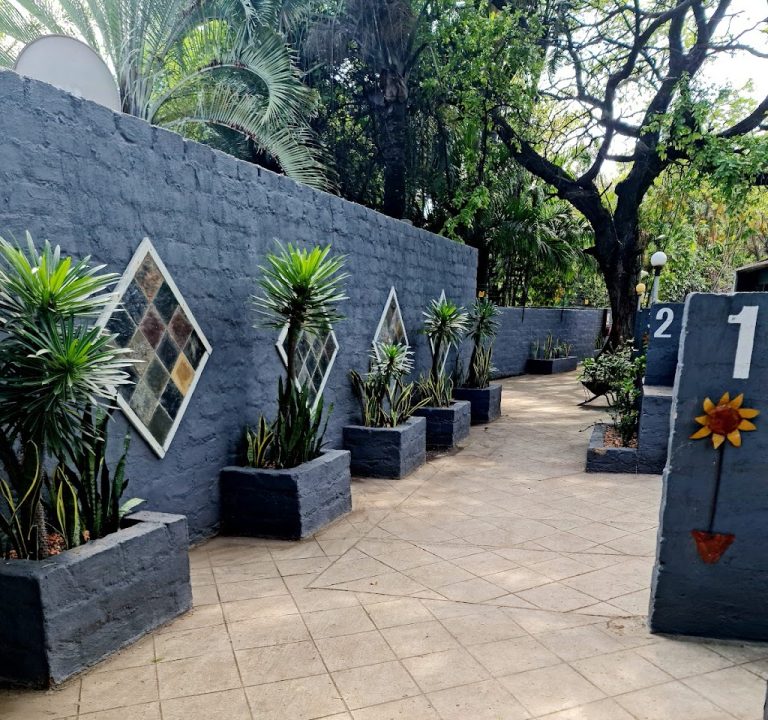
- On-site amenities that matter to you—seasonal swimming pools, outdoor braai areas, shaded parking, or stroll-friendly gardens.
- House rules and flexibility around check-in/out times, especially if you plan early-morning game drives or late returns.
- Transportation options, including car hire, airport transfers, and easy access to local networks for day trips or self-guided excursions.
Typical amenities found in good stays range from en-suite bathrooms and daily housekeeping to well-equipped kitchens in self-catering properties. Many guest houses and lodges offer a friendly, personalised touch—local hosts often provide practical tips on nearby eateries, wildlife sightings, and safe routes for walks or short drives. A well-run property will clearly outline safety measures, service times for meals, and the availability of generators or backup power during the occasional load-shedding period, which can occur in some parts of the country.
Transport in Phalaborwa is straightforward for most visitors. A private vehicle is often the most convenient way to explore the region, given the distances between wildlife areas, viewpoints and towns. If you arrive by air, the nearest regional access is typically via a domestic flight into a larger hub, followed by a road transfer or car hire. When planning day trips, consider the time required for game drives and the possibility of cooler morning hours for wildlife viewing. If you prefer not to drive, many lodges can arrange guided tours or transfers to key sights, usually at a reasonable additional cost.
The best time to visit Phalaborwa depends on what you want to experience. Dry season months offer clearer wildlife sightings and less dense foliage, which many visitors favour for game viewing and walking safaris. The wet season can bring lush scenery and birdlife, though some trails may be muddier and wildlife activity can vary with rainfall. For those chasing specific wildlife habitats or bird species, a short stay during shoulder months often balances shoulder-season prices with reliable opportunities for outdoor activities. Always check local weather patterns before booking and pack accordingly for heat, sun, and occasional rain.
Practical tips to help you plan and enjoy your stay:
- Book accommodation with clear access to the areas you want to explore, whether that means riverfront viewpoints, easy access to park gates, or a quiet base with good security.
- Bring comfortable walking shoes, sun protection, a hat, and a light layer for early-morning or late-evening wildlife excursions.
- Check whether your lodging provides meals or if you’ll be dining out; keep in mind that some casual eateries nearby offer hearty South African favourites and seasonal produce.
- Respect wildlife by following the guidance of your host or guide, staying on designated paths, and keeping a safe distance from animals at all times.
- Plan a few flexible days to accommodate the rhythm of safaris, which often depend on weather, animal activity, and park schedules.
Beyond wildlife encounters, Phalaborwa offers a relaxingly atmospheric town centre with shops and cafés where you can unwind after a day in nature. If you’re seeking a more immersive experience, consider discovering local markets or guesthouse hosts who can point you toward community-based activities, photography walks, or eco-friendly adventures. While the highlights are the natural landscapes and wildlife opportunities, a thoughtfully chosen stay in Phalaborwa can balance comfort with a sense of frontier adventure—an appealing combination for travellers who want to uncover Limpopo’s wilderness without sacrificing modern conveniences.